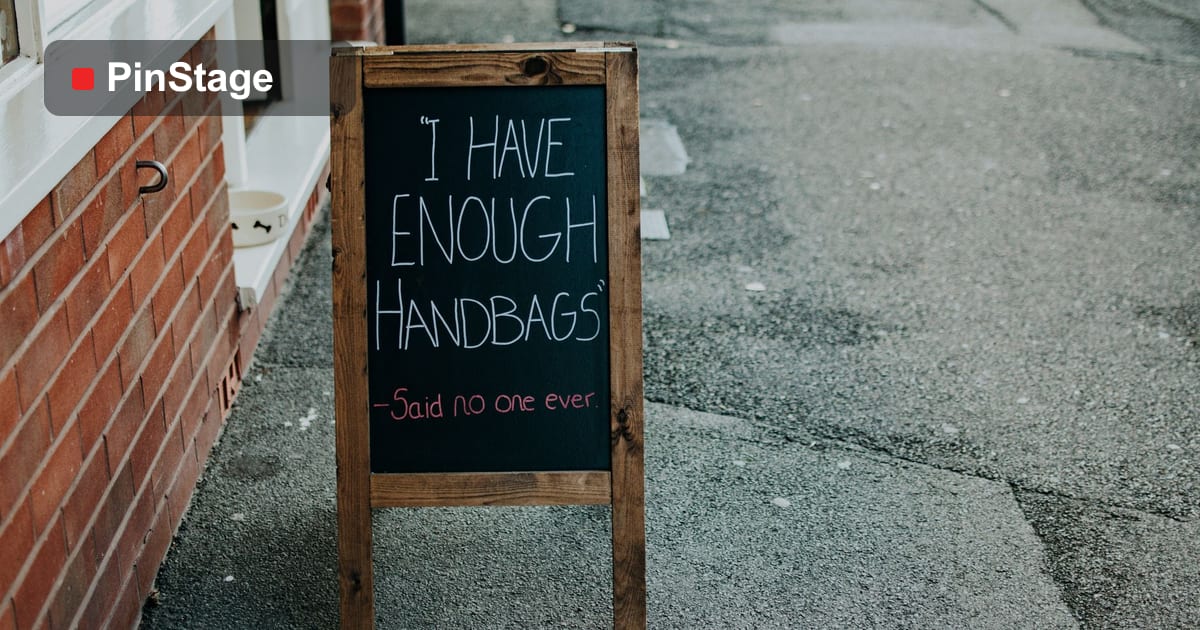
An A-frame — the two-sided "sandwich board" sign on the pavement — is one of the highest-return signs a shop can own. It works exactly where the decision happens: on the street, in front of passers-by who are already nearby and choosing where to go. A good sidewalk sign is your outdoor salesperson, catching foot traffic and pulling it through the door. This guide covers choosing, placing and designing one. It is part of our portable display stands guide.

What an A-frame does
Where a roll-up banner is an indoor display, an A-frame is built for the pavement: free-standing, two-sided (so it reads from both directions of foot traffic), and stable enough to handle being outdoors. Its job is to stop people who are walking past — with today's offer, your name and an arrow to the door. It is cheap, reusable, and it earns its keep every day it is out.
Stability and wind
Outdoors, the enemy is wind, and a sign that blows over is a hazard and an embarrassment. Choose a sidewalk sign that is weighted or fillable (water or sand base) and built low and wide for stability. On exposed corners, a heavier base or a water-base bunting/flag stand holds firm. Bring lightweight signs in on very windy days — a sign on its back in the gutter sells nothing.
Where to place it
Placement is half the value:
- In the line of foot traffic, angled so both faces catch people coming each way.
- Close enough to your door that the arrow or message clearly points to you, not the shop next door.
- Without blocking the path — keep it legal and considerate; many councils have pavement rules.
- Where people decide — near a junction, a crossing or a slow point where they are choosing where to go.
Design for a three-second glance
A passer-by reads a sidewalk sign in a stride or two, so design accordingly:
- One offer, big. "Coffee + Cake RM12" beats your full menu. Change it daily to stay fresh.
- High contrast, readable from a few metres and at an angle.
- Your name and an arrow so they know who and where.
- Use both sides with the same or mirrored message for each direction.
Chalkboard A-frames let you rewrite the message daily; printed-panel A-frames give a sharper, branded look. Many shops use a printed branded frame with a changeable insert.
Make it a system
The best results come from layering: an A-frame on the pavement to stop people, branding on the door and window to confirm they have arrived, and a display inside to guide them. The A-frame's one job is to interrupt the walk and earn the step inside — everything else takes over from there.
Frequently asked questions
Are A-frame signs effective? Very — they catch foot traffic at the moment of decision, right outside your door, for a low one-off cost and daily reuse.
How do I stop my sidewalk sign blowing over? Choose a weighted or water/sand-fillable base, keep it low and wide, place it in a sheltered spot where possible, and bring lightweight signs in on windy days.
What should a sidewalk sign say? One clear offer plus your name and an arrow — changed daily to stay fresh. Resist putting your whole menu on it.
Chalkboard or printed? Chalkboard for a daily-changing message; printed for a sharper branded look. Many use a printed frame with a changeable panel. See the display range.