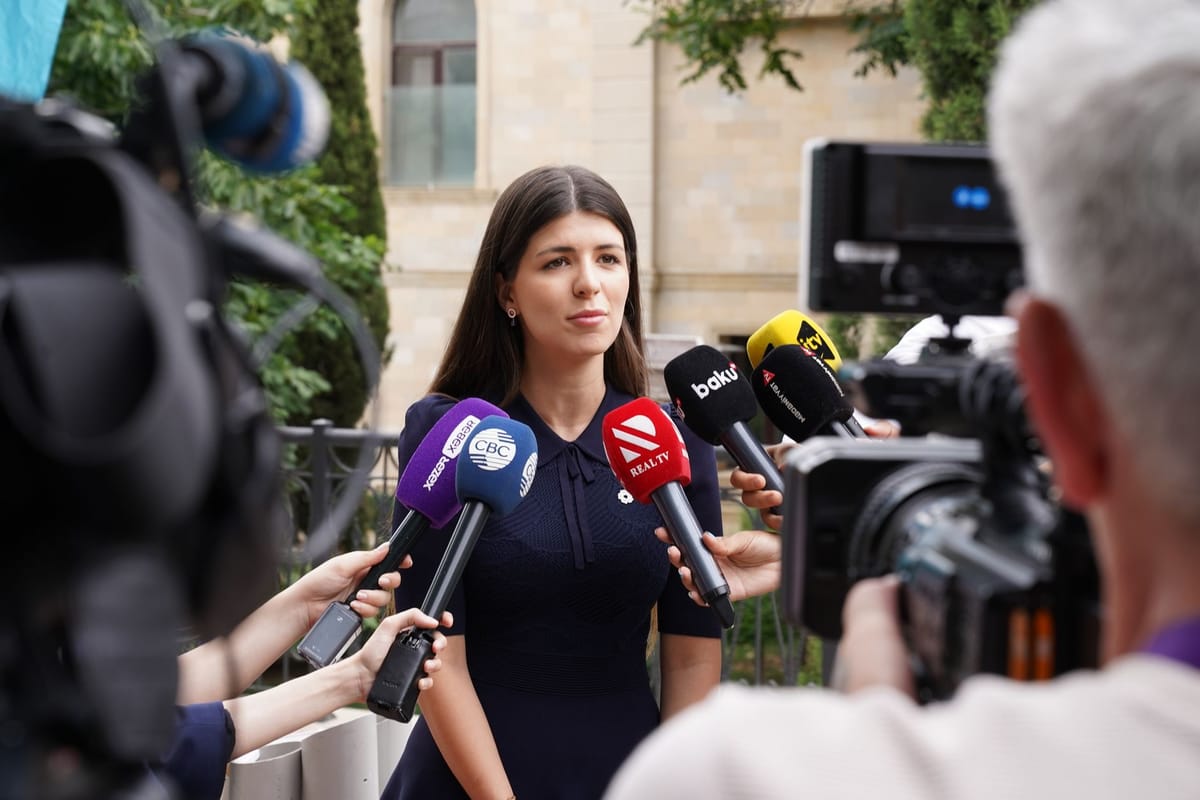
A backdrop banner is the most photographed surface at any event. It frames the stage, sits behind every speaker, and appears in every photo taken in front of it — which means it works long after the event, every time a photo is shared. Get the backdrop right and your brand is in the background of hundreds of images; get it wrong and you have a wrinkled, glaring sheet ruining every shot. This guide covers material, size, design and frames. It is part of our complete banner printing guide.
Fabric or PVC?
The single most important backdrop choice is material, because backdrops are photographed under lights.
- Fabric is the premium choice for backdrops. It is matte, so it does not glare under stage lighting or camera flash; it resists wrinkles; and it has a soft, high-end look on camera. The fabric backdrop is built for this.
- PVC is cheaper and fine for casual or short-term use, but it is glossy — under lights it can throw hotspots and reflections straight into the camera. A premium UV PVC banner works for outdoor or budget backdrops where glare matters less.
For anything that will be photographed under lighting — a press wall, a stage, a launch — fabric is worth it.
Size it to the stage and the shot
A backdrop needs to do two jobs: frame the stage from the audience, and fill the frame behind a person being photographed. Size for both:
- Stage backdrops should be wide and tall enough to read from the back of the room and to sit behind speakers without awkward gaps. Match the stage width.
- Photo / press walls are usually around 2.4 m wide and 2.4 m tall — enough for one or two people to stand in front with your branding filling the camera frame around them.
Too small a backdrop is the classic mistake — a person stands in front and their head clears the top, putting the ceiling in shot.
Step-and-repeat: design for the photo
Press and photo backdrops use a "step-and-repeat" design — your logo (or logos) tiled in a regular grid across the whole surface. The reason is the camera: a single central logo gets blocked by whoever stands in front of it, but a repeated pattern means your brand appears around them in every shot, no matter where they stand. Design tips:
- Repeat the logo on a grid sized so at least a few appear behind a standing person.
- Keep contrast gentle — a busy, high-contrast pattern competes with faces; a tonal repeat reads as branded without distracting.
- Mind the safe zone at standing-head height where logos will be partly covered.
Frames and rigging
A backdrop is only as good as what holds it up. Options:
- Tension-fabric frames — a tubular frame with a fabric graphic stretched over it, taut and wrinkle-free; the cleanest look for press walls.
- Telescopic backdrop stands — adjustable pole-and-crossbar systems for pocket-hemmed banners.
- Pole pockets or eyelets for hanging against a wall or truss.
A taut, well-rigged backdrop looks professional; a banner safety-pinned to a curtain does not. For repeat events, a reusable fabric backdrop on a frame is the best value — re-skin the graphic and keep the frame.
Frequently asked questions
Fabric or PVC for a backdrop? Fabric for anything photographed under lights — it is matte and glare-free. PVC is fine for casual, outdoor or budget backdrops.
What size should a photo backdrop be? Around 2.4 × 2.4 m is standard for a press/photo wall — big enough for people to stand in front with branding filling the frame.
What is step-and-repeat? A repeated grid of your logo across the backdrop, so your brand appears in photos no matter where someone stands.
How do I keep a backdrop wrinkle-free? Use fabric on a tension frame, or pole pockets pulled taut. Avoid folding fabric tightly — roll it. Compare backdrops in the banner range.