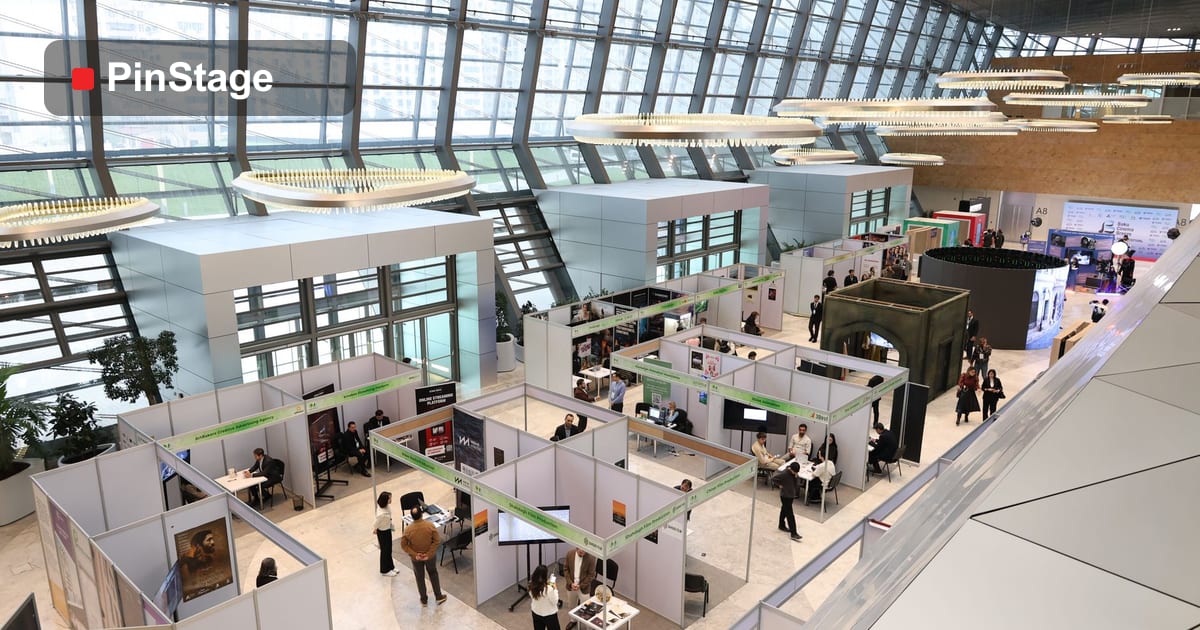
Your first trade show is equal parts opportunity and overwhelm. You have booked the space, and now a hundred decisions land at once: what to build, what to print, how to staff it, and how to make sure the money turns into business. This playbook walks you through it in order, so a first-timer arrives prepared and leaves with leads — not regret. It expands on our complete exhibition marketing guide.
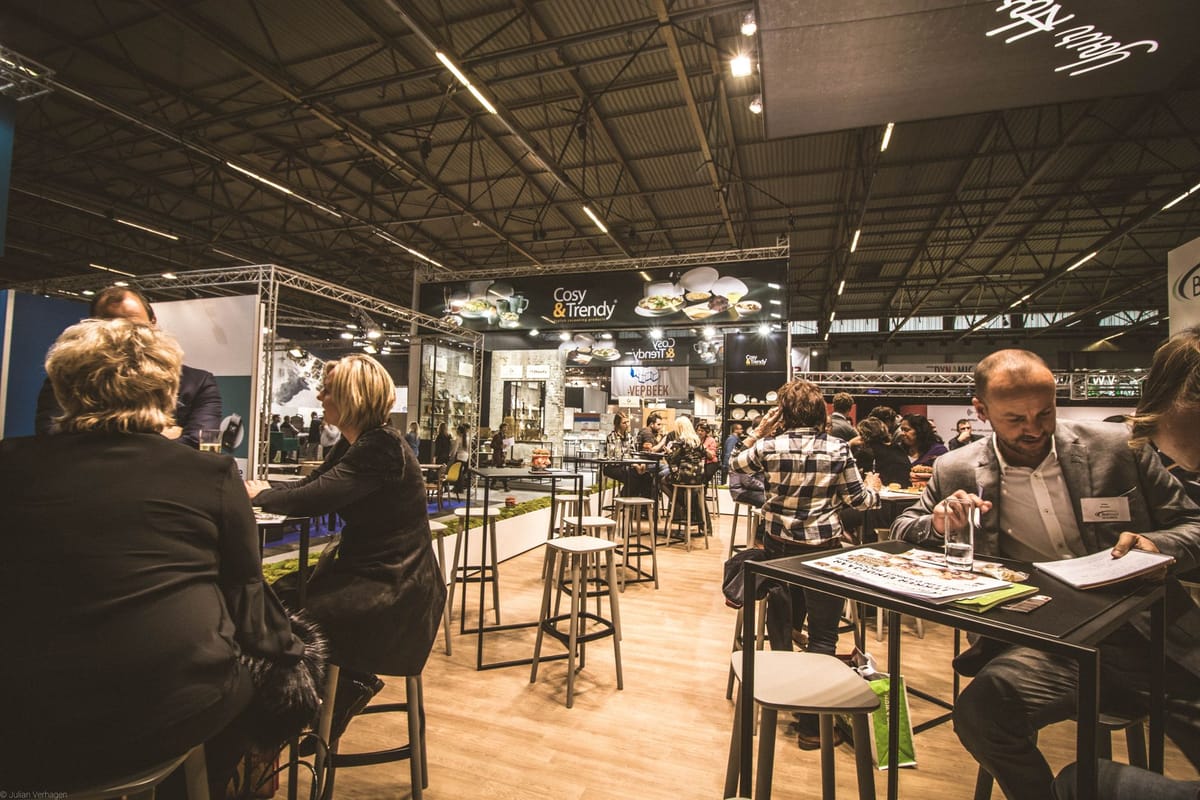
Step 1 — Decide what success looks like
Before anything else, pick one measurable goal. "Get our name out there" is not a goal; "collect 80 qualified leads" or "book 15 demos" is. Everything — booth design, staffing, the offer you make — should serve that single outcome. A focused booth beats a busy one every time, and a clear goal is what keeps you focused.
Step 2 — Set a realistic budget
First-timers almost always underestimate the total. Your budget has five buckets, and the space rental is only one:
- Space rental — paid to the organiser, by the square metre.
- Booth & displays — backdrop, stands, counter, furniture.
- Printed graphics — the part that makes you look professional.
- Staff & travel — people, accommodation, meals.
- Giveaways & samples — what visitors take away.
Decide the total first, then divide. We break the numbers down in what an exhibition booth costs in Malaysia.
Step 3 — Choose your booth format
Your stand space dictates your kit. A standard shell-scheme wall is well served by a fabric pop-up backdrop; a larger or corner space benefits from a structured booth system. Get the dimensions right first — our guide to booth sizes & layouts covers the 3×3, 3×6 and island standards, and pop-up vs pull-up displays helps you choose between a full backdrop and a few banners.
Step 4 — Print the essentials
A professional first booth needs surprisingly little, done well:
- A backdrop with your name and one clear value line, readable from across the aisle.
- Roll-up banners at the edges to pull people in.
- A branded counter or table to work from and store things under.
- Handouts and business cards.
Our exhibition booth checklist is the print-by-print packing list with sizing and artwork notes. Order three weeks out for the backdrop and booth; two for the rest.
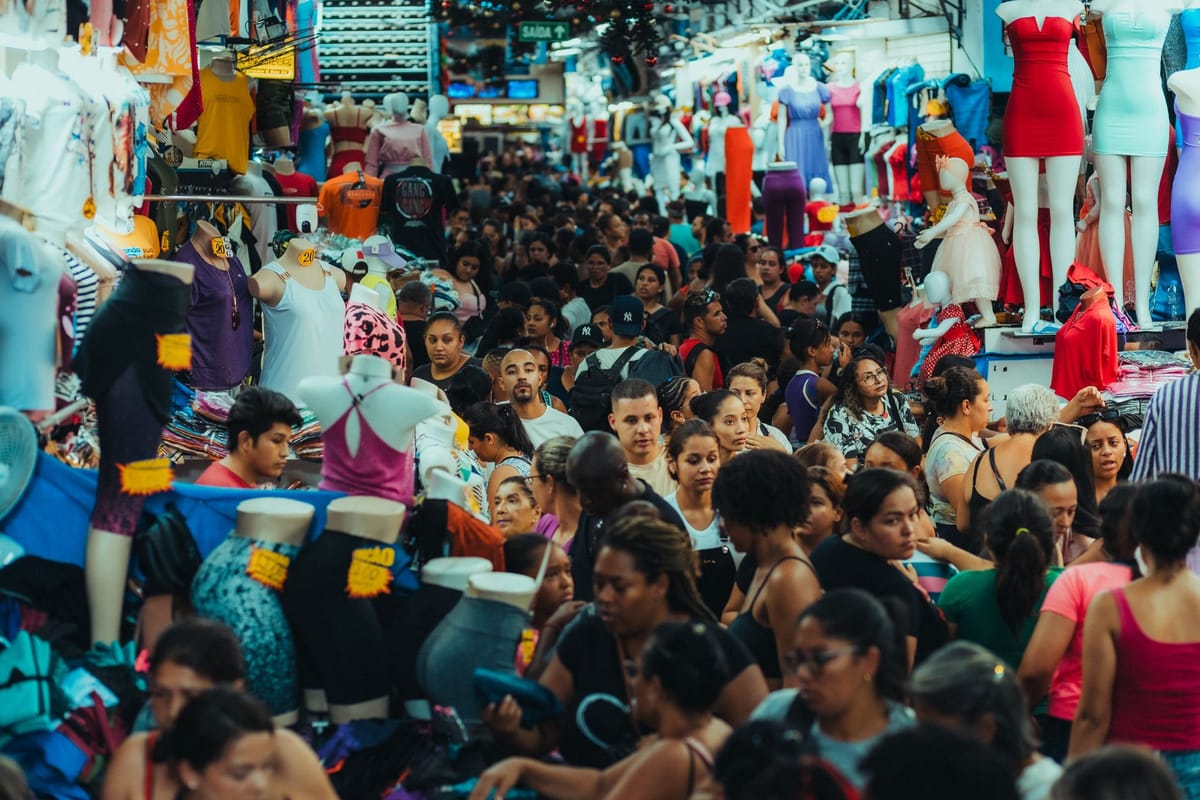
Step 5 — Design to be understood in three seconds
Visitors walk past at speed. Your booth has about three seconds to answer "what do you do, and why should I stop?". So:
- One headline, big and benefit-led — not your tagline, but what you do for the customer.
- Your logo high, where it clears the heads of people standing at the booth.
- Minimal text. A booth is a billboard, not a brochure.
- Strong contrast and brand colour so you stand out from the neighbours.
Step 6 — Staff it like it matters
The best booth fails with the wrong people in front of it. Brief your team to:
- Stand, don't sit; face the aisle and make eye contact.
- Open with a question, not "can I help you?" — give people a reason to stop.
- Qualify quickly and capture the lead before the conversation ends.
- Never cluster in a corner on their phones — an empty-looking booth repels.
Rotate breaks so the stand is always staffed and energetic.
Step 7 — Capture leads and follow up
A great show with no follow-up is wasted spend. Decide before the show how you will capture details (badge scan, a form, a quick CRM entry) and who follows up. Then contact every lead within the same week, while you are still fresh in their memory. Our guide to trade-show lead capture covers the system.
A simple countdown
- 3 weeks out: finalise artwork; order backdrop + booth.
- 2 weeks out: order roll-ups, counter, signage; brief staff.
- 1 week out: print handouts; pack a show kit (tape, scissors, cable ties, spare cards).
- Show day: set up early, staff energetically, capture every lead.
- Same week: follow up.
Your show-day survival kit
The exhibitors who look calm on the day are the ones who packed for the small disasters. Build a simple kit and keep it in the booth:
- Fixing & fitting: strong tape (double-sided and gaffer), cable ties, scissors, a small toolkit and spare hooks — booths always need a quick fix.
- Power & tech: an extension lead, a multi-plug, phone chargers and any adapters your screen or demo needs.
- Booth admin: a stack of spare business cards, your lead-capture method (charged scanner or printed forms), pens, and a clipboard.
- Staff comfort: water, snacks, breath mints, a phone power bank and comfortable shoes — a tired team converts worse than a fresh one.
- Cleaning & touch-up: wet wipes, a lint roller for the backdrop, and tissues; a tidy booth always out-performs a cluttered one.
Pack it the week before, not the night before. The team that can fix a dropped banner, charge a flat scanner and hand over a card without scrambling looks professional all day — and stays focused on the only thing that matters: talking to visitors.
Frequently asked questions
How early should I order print? Three weeks for the backdrop and booth system, two for roll-ups and signage — sooner in peak exhibition season.
How much should a first booth cost? It varies widely by size and venue; see our Malaysia booth cost guide for ranges, and remember print is a small part of a professional look.
What's the single biggest mistake? Trying to say everything. Pick one message and one goal, and design the whole booth around them.
Can I reuse my booth? Yes — fabric backdrops and premium roll-ups are built for repeat use; design with a rebrand in mind. Start by browsing the Exhibition & Booth range.