The right takeaway container is one customers barely notice — the food fits, nothing leaks, it looks generous. The wrong size is a daily small problem: a box too big wastes money and makes a portion look mean rattling around inside; one too small overflows, leaks and frustrates. Getting your container sizes right is a quiet but real part of running a food business well. This guide helps you choose. It is part of our guide to eco-friendly food packaging.
Match the size to the portion
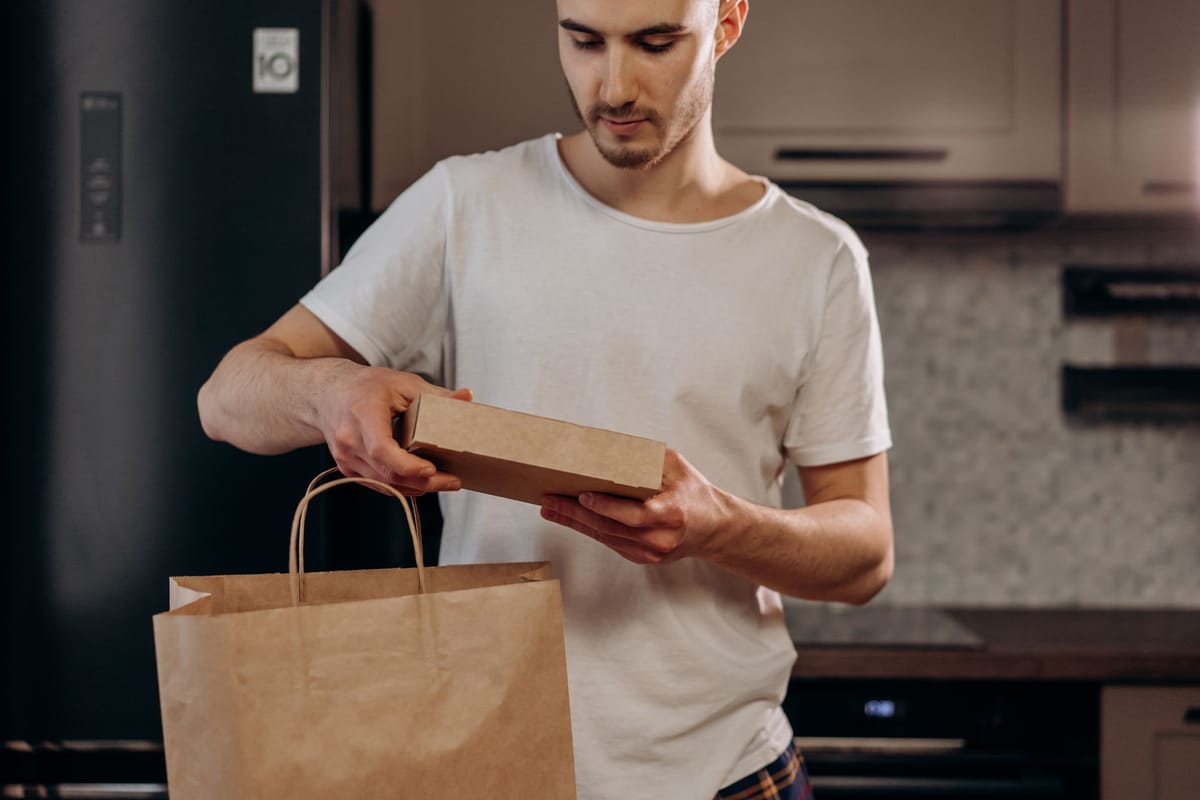
The first rule is simple: the box should fit the portion comfortably, with a little headroom — full enough to look generous, with enough space that it closes cleanly and does not crush or spill. A rice-and-curry portion, a burger and fries, and a salad all want different volumes. Before ordering, fill a sample container with your actual portion and check it looks right and closes properly. A box that looks generous makes the meal feel like good value before the customer has tasted it.
Single vs multi-compartment
A big choice is whether to keep components together or separate:
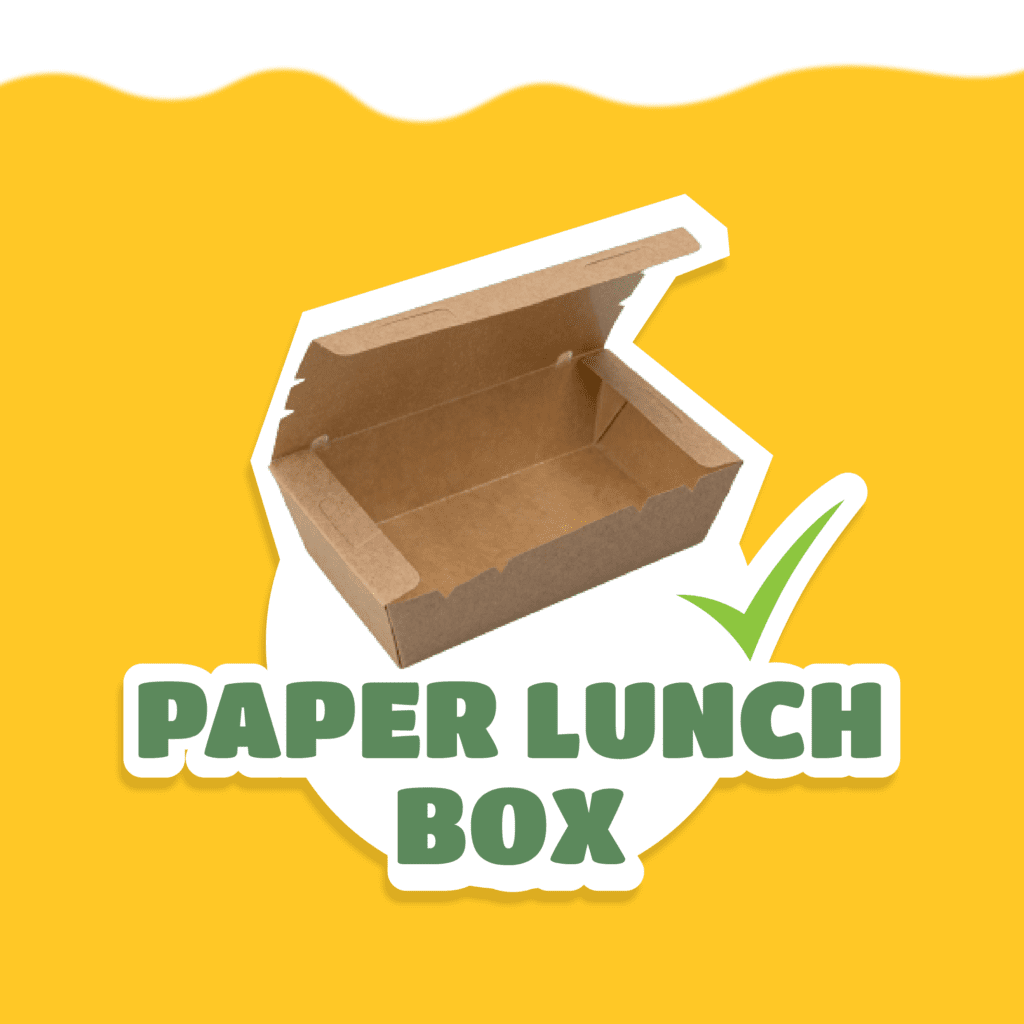
- Single-compartment boxes — for meals that mix, or single items: a clamshell box for a burger, a kraft box for noodles.
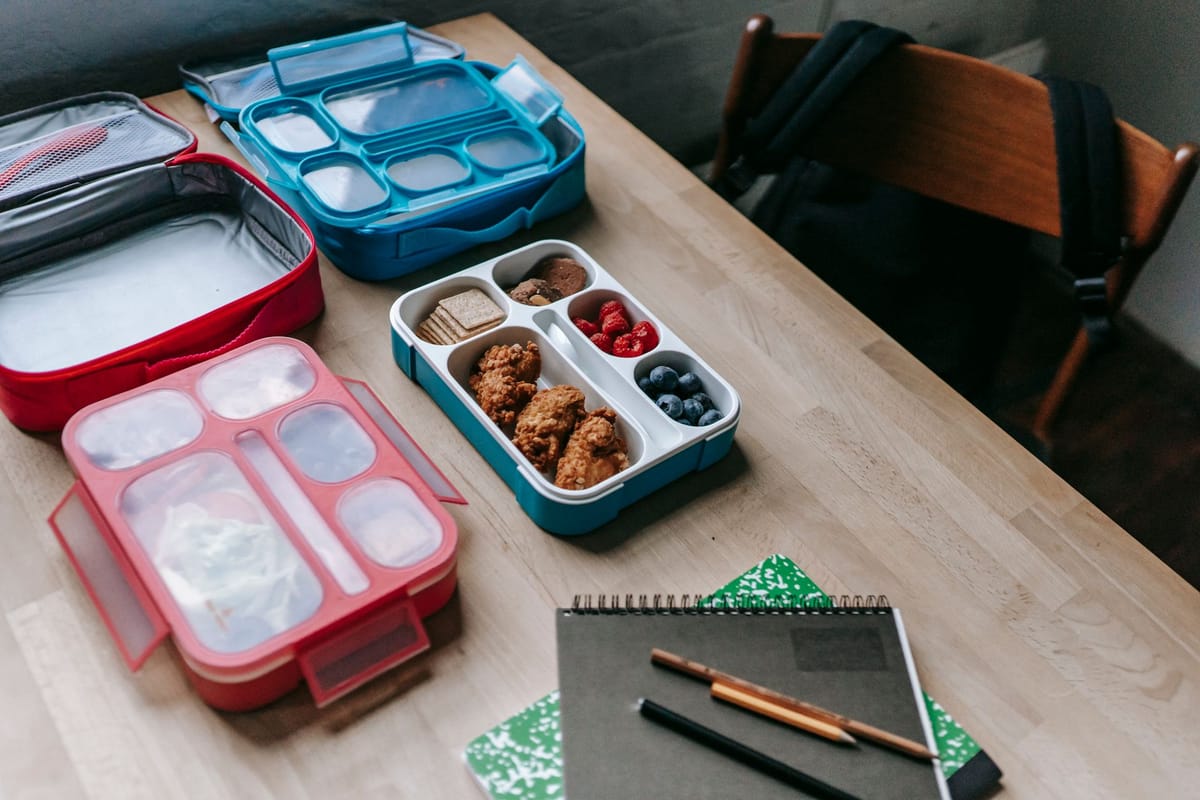
- Multi-compartment boxes — keep rice, curry, sides and pickles apart so flavours and textures stay separate and nothing goes soggy. A 5-compartment bento or a 2-compartment box suits set meals and mixed plates.
For dishes where a wet item would ruin a crispy one, compartments are worth it; for a single mixed dish, one compartment is simpler and cheaper.
Common container types by food
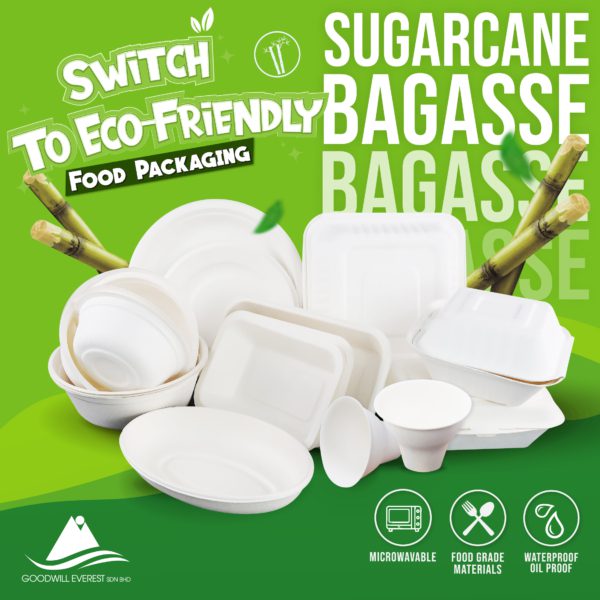
- Rice / curry / mixed meals → bagasse clamshells or compartment boxes, sized to the portion.
- Burgers / sandwiches → clamshell or burger box that holds height without crushing.
- Noodles / soupy dishes → deeper bowls or noodle boxes with secure lids.
- Salads / cold bowls → bowls with clear lids so the product shows.
- Sides / sauces → small cups and containers to keep them separate.
Think about stacking, sealing and transport
Sizes are not just about volume:
- Lids and sealing — a snug lid (or a leak-resistant design) matters for delivery; a great box that leaks in a bag is a complaint.
- Stacking — boxes that stack neatly are easier to store and to bag for delivery riders.
- A range, not one size — most food businesses need two or three container sizes plus a couple of compartment options to cover their menu, rather than forcing everything into one box.
How to choose your set
- List your dishes and their portion sizes.
- Group them by what fits a similar box.
- Pick two or three main sizes plus compartment options.
- Test with real portions before committing to a bulk order.
Order quantity to bring the per-unit cost down, and keep a small range that covers the menu. Browse the packaging range to compare.
Frequently asked questions
How do I choose the right container size? Fit the portion comfortably with a little headroom — full enough to look generous, with room to close cleanly. Test with your actual portions before ordering.
Single or multi-compartment? Multi-compartment keeps wet and dry, rice and curry separate so nothing goes soggy; single-compartment is simpler and cheaper for mixed or single dishes.
How many sizes do I need? Most food businesses need two or three main sizes plus a couple of compartment options to cover a menu.
Do container sizes affect delivery? Yes — snug lids prevent leaks and stackable boxes are easier to bag. Choose for sealing and transport, not just volume. See the packaging range.