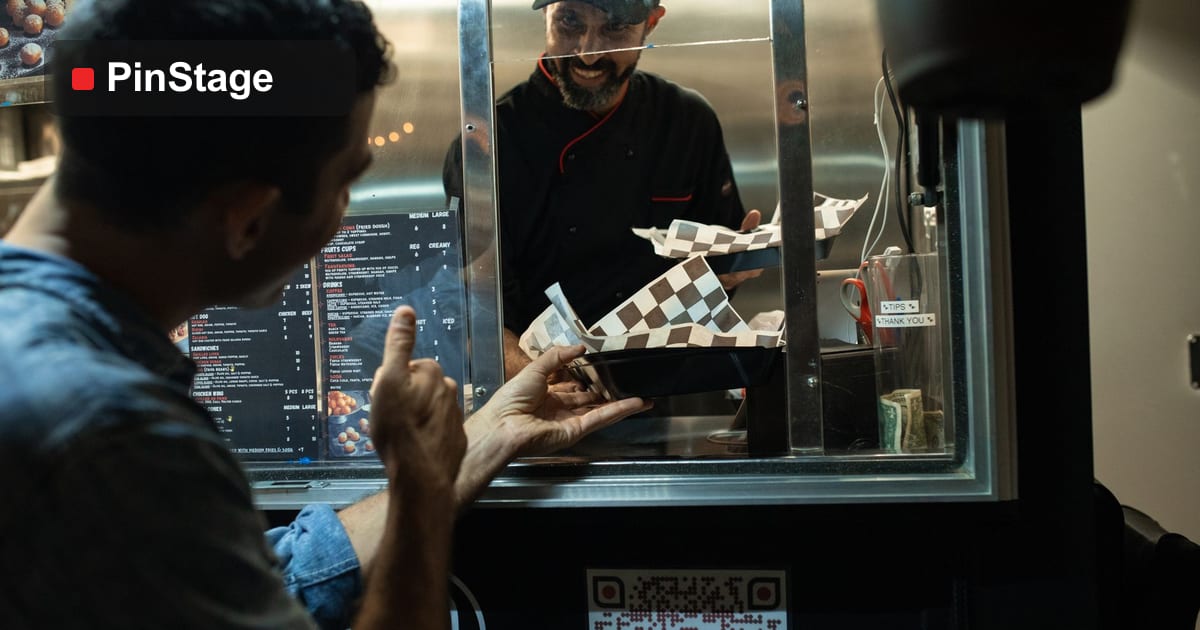
Food-truck and street-food packaging has a harder job than a sit-down restaurant's: it has to be eaten standing up, carried while walking, survive a jostle in a crowd, and still look good enough to photograph. Get it wrong and you have sauce on someone's shirt and a bad photo; get it right and your food travels, holds together and sells itself on social media. This guide covers the essentials. It is part of our guide to eco-friendly food packaging.
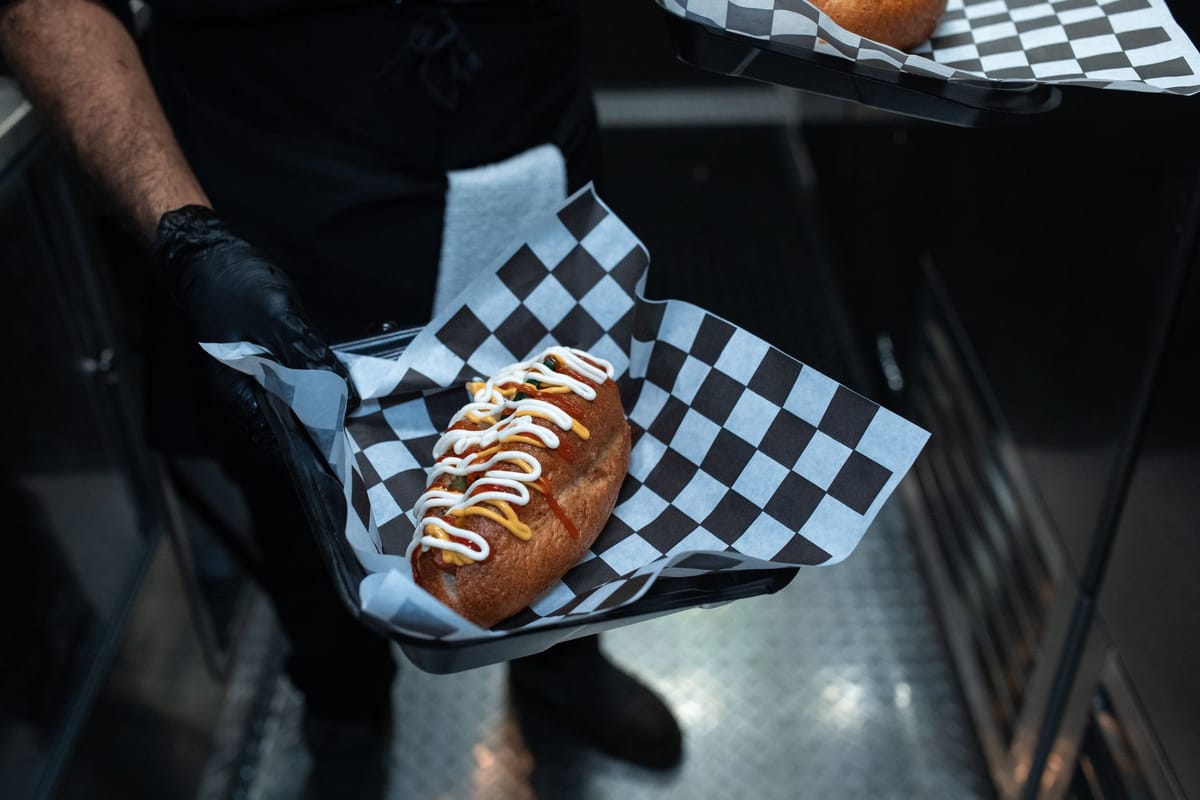
Hand-held and sturdy first
The golden rule of street food packaging: it must work in one hand, standing up. That means:
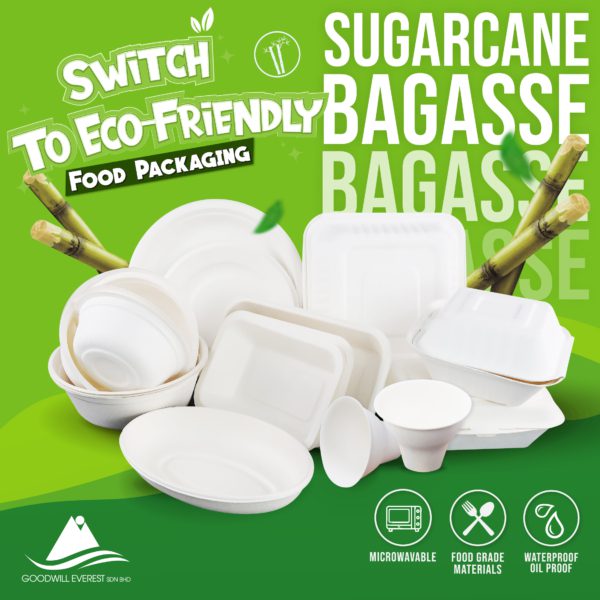
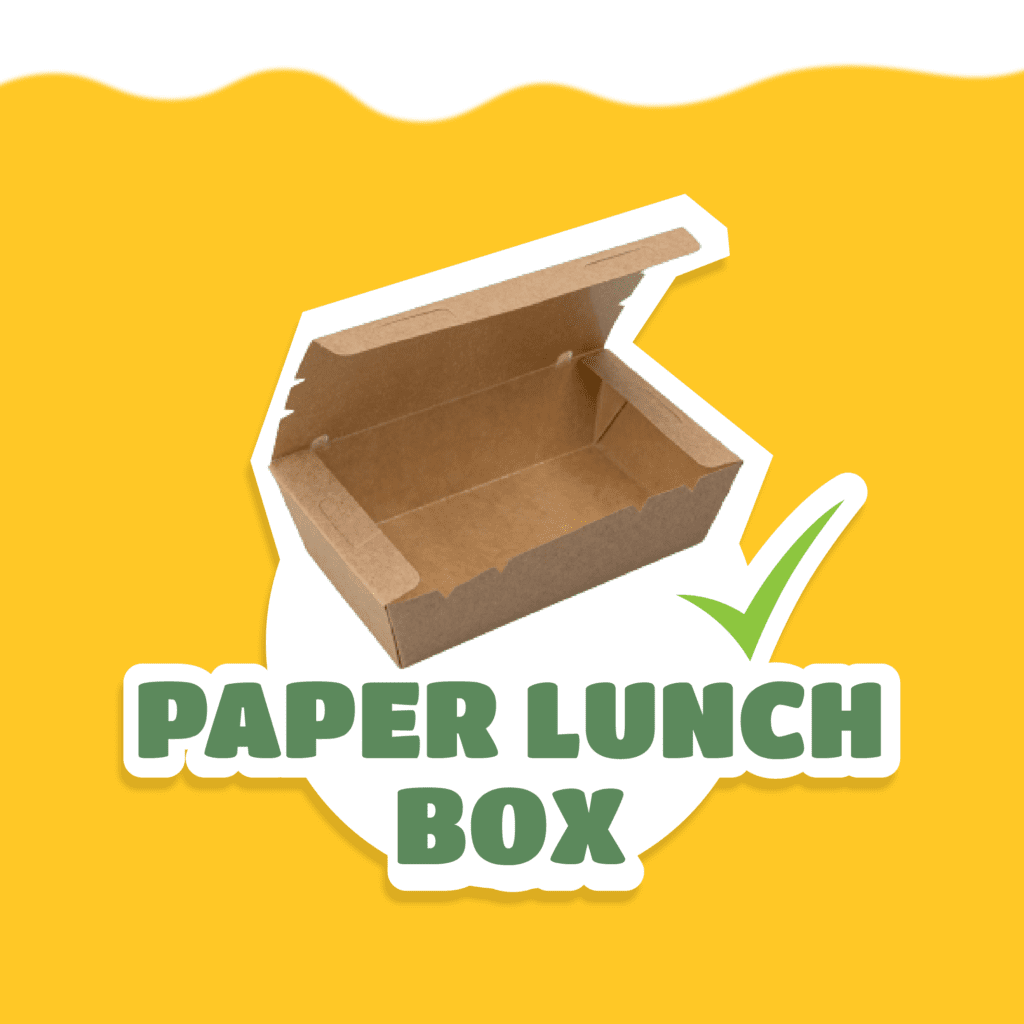
- Sturdy containers that do not flop or collapse when held — a bagasse clamshell or a firm kraft box holds its shape.
- The right depth so food does not spill when carried at an angle.
- A secure close so it survives being held, bagged and jostled.
If a customer needs two hands and a table, it is not street-food packaging.
Leak-resistant for saucy food
Street food is often saucy, fried or messy, so leak resistance matters more than in a restaurant. Bagasse handles wet and oily food without going soggy; for very saucy dishes, a deeper container with a secure lid keeps it contained. Avoid plain paper for anything wet — it soaks through and fails in someone's hand. Match the container to how messy the dish is.
Easy-eat extras
- Cutlery — compostable wooden or corn-starch forks and spoons, sized for the dish.
- Trays and boats — a paper food tray or boat for fries, snacks and finger food.
- Napkins — essential for messy, hand-held food; people remember the truck that gave them enough.
- Bags — kraft bags for takeaway orders and multiple items.
Make it photograph well
Street food lives on social media, so packaging that looks good in a photo is free marketing. A natural bagasse or kraft container photographs better than shiny plastic, and a branded box or a stamp puts your name in every shared photo. Keep it simple and on-brand — the food is the hero, the packaging frames it.
A quick food-truck checklist
- Sturdy, hand-held main containers (bagasse / kraft).
- Leak-resistant options for saucy dishes.
- Compostable cutlery, sized to the food.
- Trays/boats for finger food.
- Plenty of napkins.
- Kraft bags for orders.
- A simple brand mark for the photo.
Choose eco materials throughout — see bagasse vs PLA vs paper — and size containers to your portions (see food container sizes). Browse the packaging range.
Frequently asked questions
What packaging does a food truck need? Sturdy hand-held containers, leak-resistant options for saucy food, compostable cutlery, trays for finger food, plenty of napkins, and kraft bags — ideally branded and eco.
How do I stop street food leaking? Use bagasse for wet and oily food, a deeper container with a secure lid for very saucy dishes, and avoid plain paper for anything wet.
Does packaging matter for social media? Yes — natural bagasse and kraft photograph better than plastic, and a branded container puts your name in every shared photo.
What cutlery should I use? Compostable wooden or corn-starch forks and spoons, sized to the dish. See the packaging range.