If you are switching to eco-friendly food packaging, you will quickly meet three materials: bagasse, PLA and paper. They all replace plastic and foam, but they are not interchangeable — each suits different food, temperatures and uses, and using the wrong one means a soggy box or a melted cup. This guide explains the differences in plain terms so you match the material to your menu. It is part of our guide to eco-friendly food packaging.
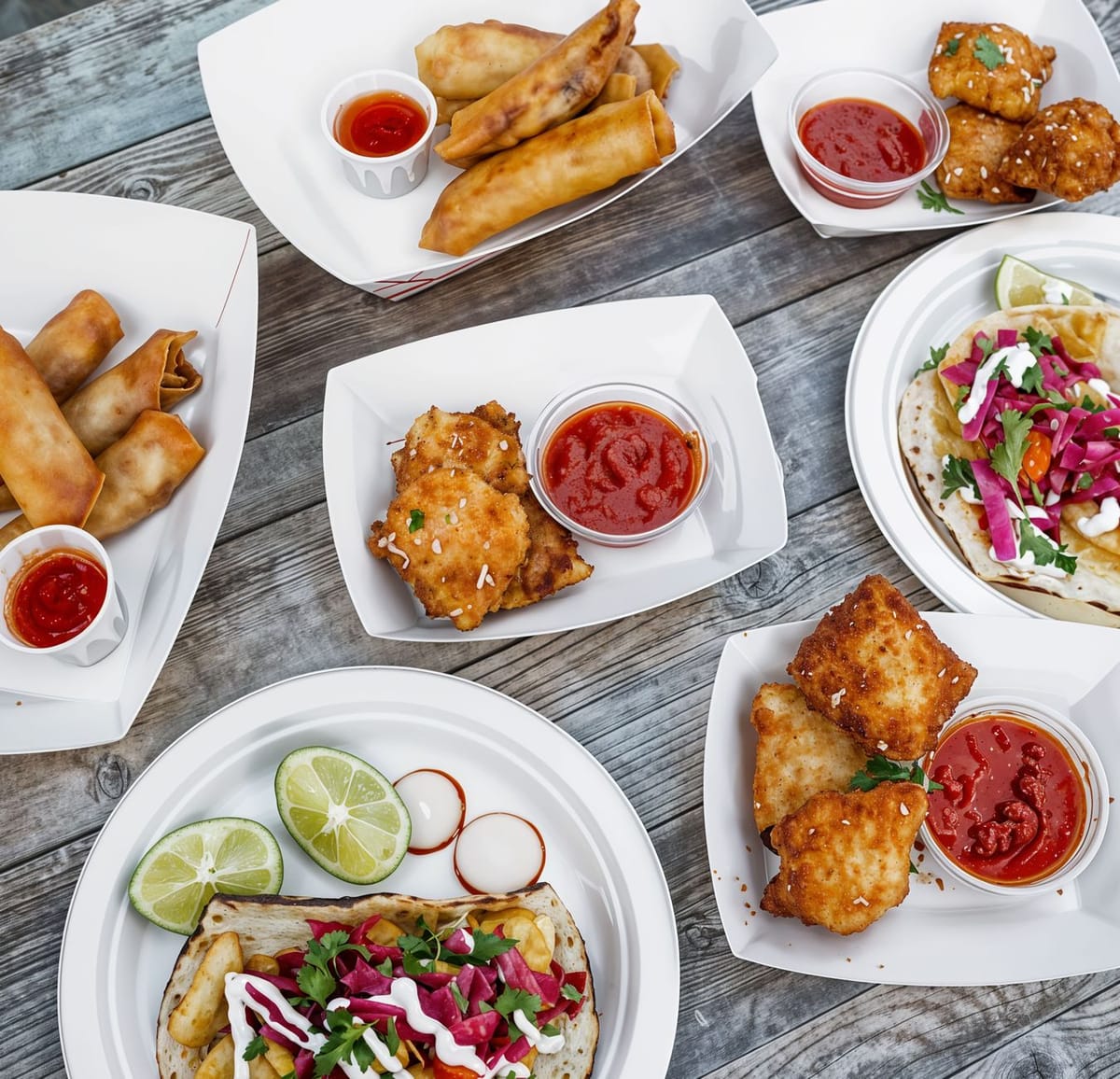
Bagasse — the all-rounder for food
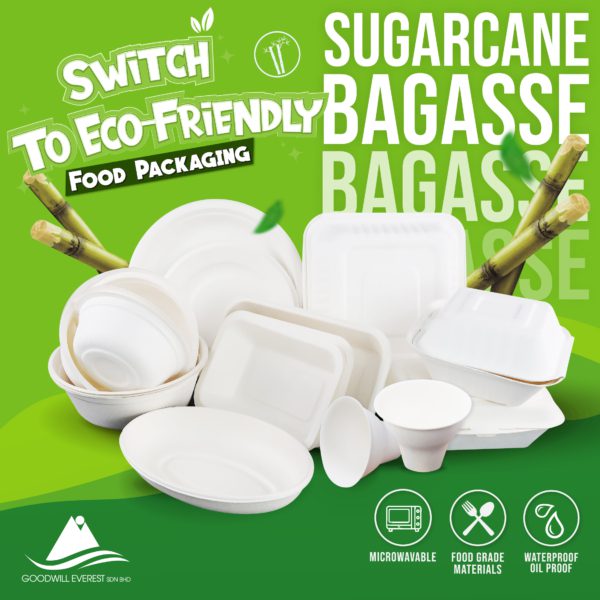
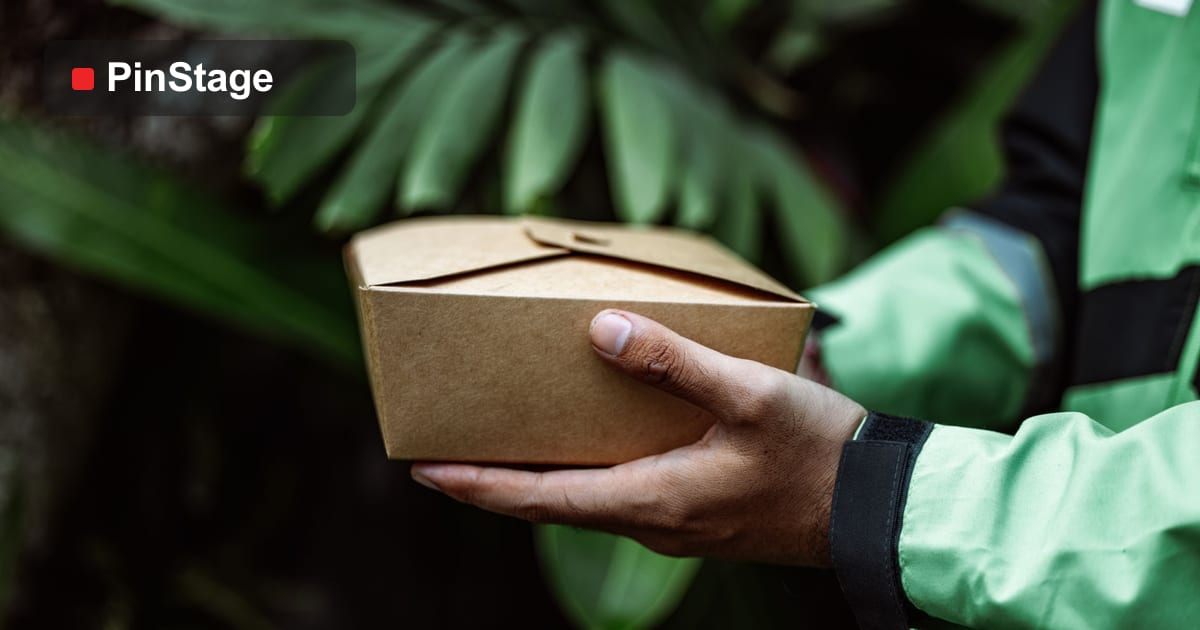
Bagasse is made from sugarcane fibre left over after juicing — a by-product turned into sturdy, moulded containers. It is the workhorse of eco food packaging:
- Handles hot and cold, wet and oily food without going soggy or leaking — good for rice, curry, fried food and saucy dishes.
- Sturdy and microwavable, with a premium natural look.
- Commercially compostable.
Bagasse clamshell boxes, bowls and plates are the default for hot meals, takeaway and food courts. If you serve real meals, bagasse is usually your base material.
PLA — for cold and clear
PLA (polylactic acid) is a bioplastic made from plant starch (often corn). It looks and feels like clear plastic, which makes it the choice where you need transparency:
- Clear cold cups for iced drinks, juices and bubble tea — see the PLA cold cup.
- Clear lids, salad boxes and dessert cups where customers want to see the product.
- Compostable in commercial conditions.
The catch: standard PLA is for cold use only — it softens with heat, so it is not for hot drinks or hot food. Use it where clarity matters and the contents are cold.
Paper — for dry, light and wrapping
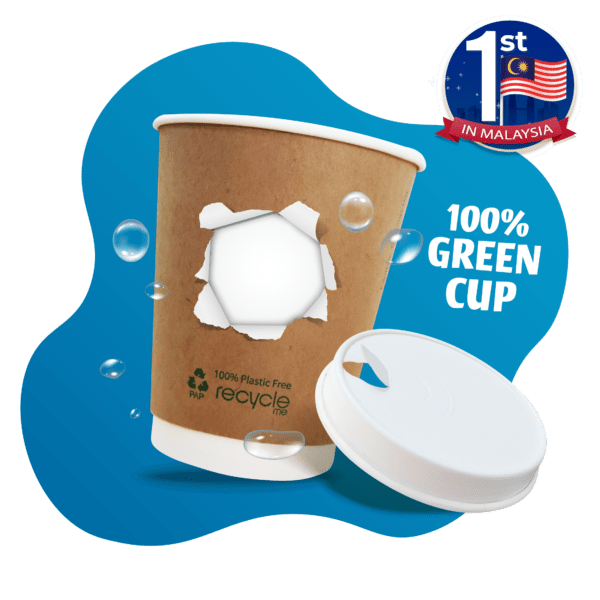
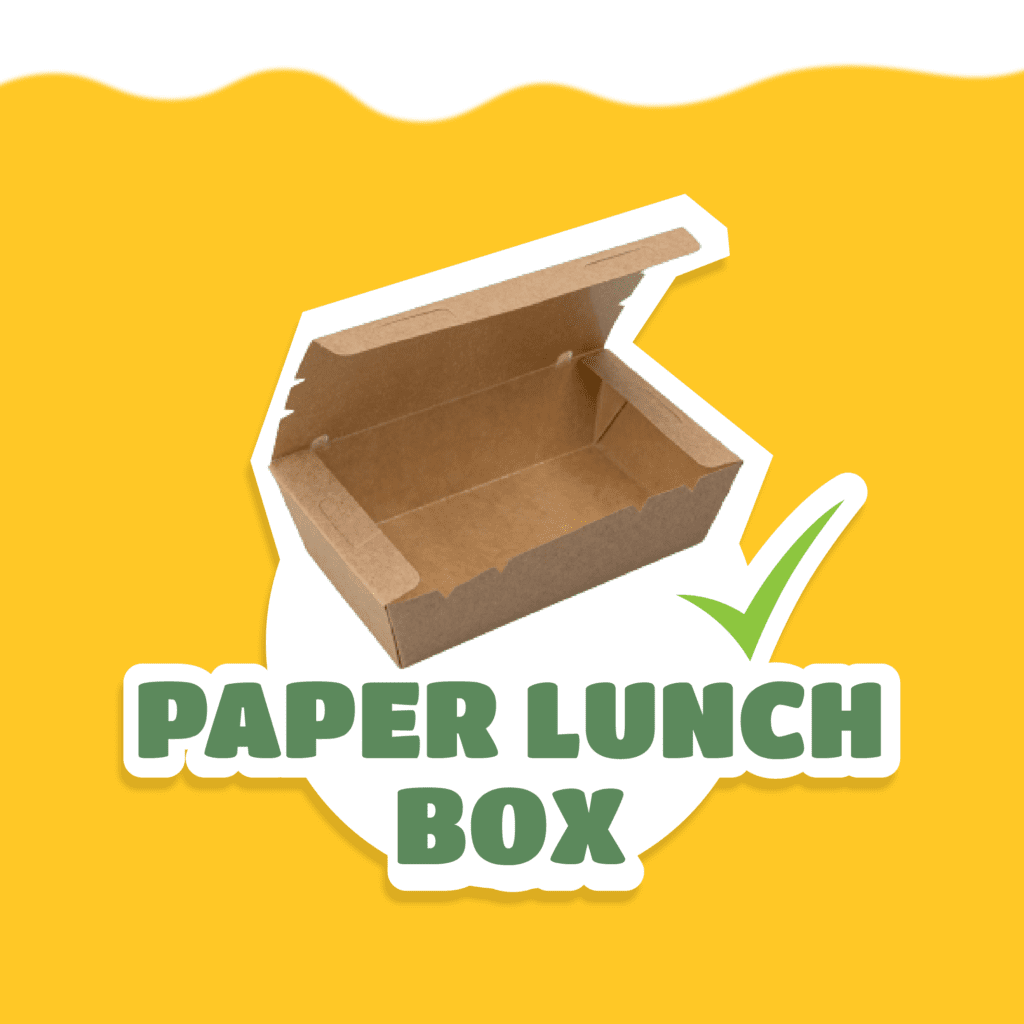
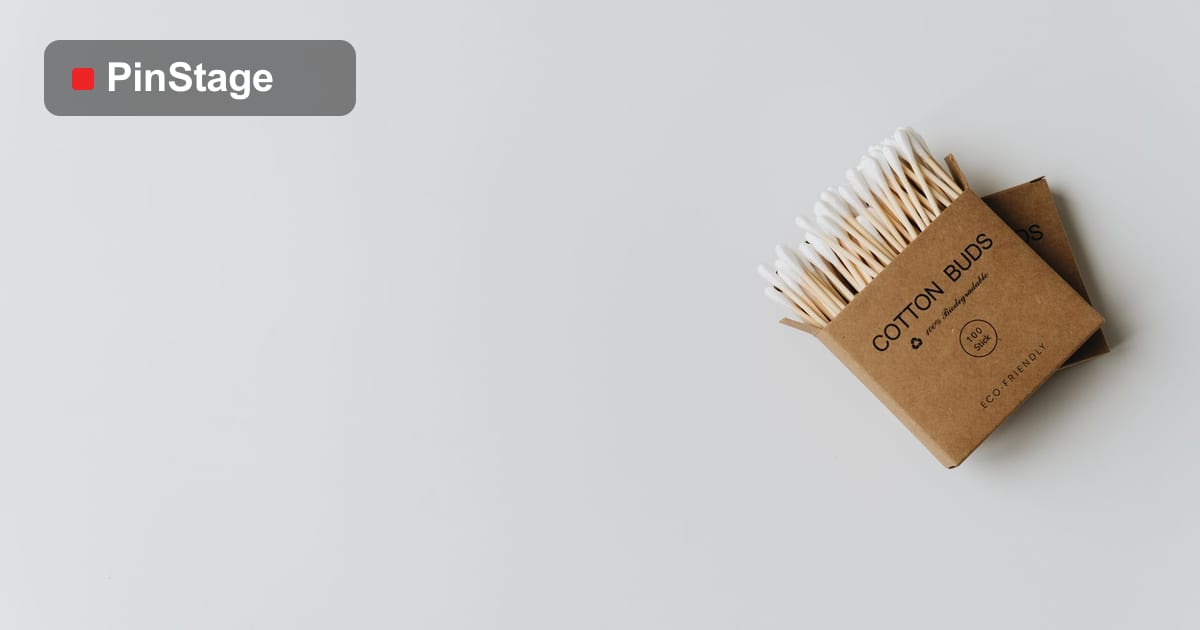
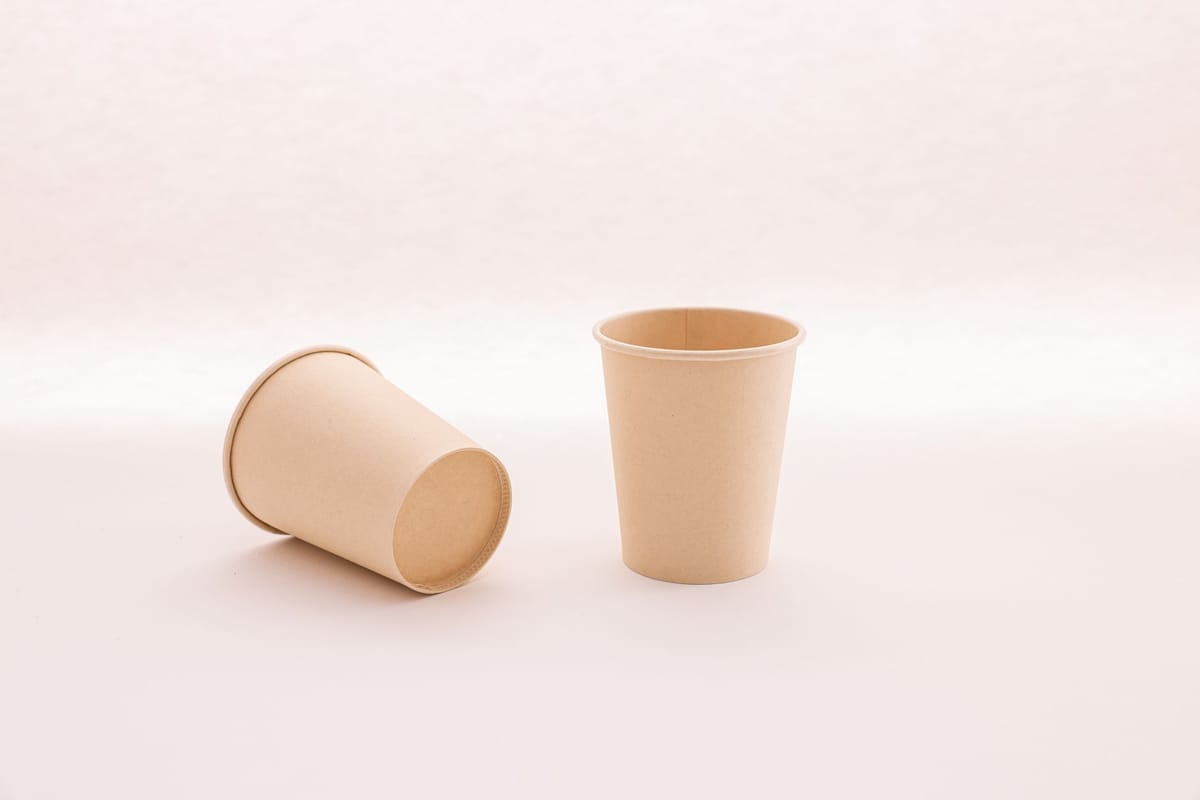
Paper and kraft board cover the dry, light and wrapping jobs:
- Trays, bags, sleeves, wraps and boxes for pastries, bread, snacks and dry items — like the paper food tray.
- Lightweight and easy to print for branding.
- Recyclable or compostable depending on any coating.
Plain paper is not for wet or oily food without a liner, so it pairs with bagasse and PLA rather than replacing them.
Quick comparison
| Bagasse | PLA | Paper / kraft | |
|---|---|---|---|
| Hot food | Yes | No | Limited |
| Cold food/drink | Yes | Yes | Some |
| Wet / oily | Yes | Some | No (needs liner) |
| Clear | No | Yes | No |
| Best for | Hot meals, takeaway | Cold cups, clear boxes | Dry, light, wrapping |
How to choose for your menu
- Hot meals, rice, curry, fried food → bagasse boxes, bowls, plates.
- Iced drinks, juices, bubble tea → PLA clear cold cups.
- Pastries, bread, dry snacks → paper/kraft trays, bags, boxes.
- A mixed menu → most cafés and restaurants use all three, matched to each item.
Match the material to the food and temperature, and your packaging performs and composts as intended. See eco packaging for events for high-volume occasions.
Frequently asked questions
Which is best for hot food? Bagasse — it handles hot, wet and oily food without going soggy, and is microwavable. PLA is not suitable for hot food.
Can PLA hold hot drinks? Standard PLA is for cold use only; it softens with heat. Use bagasse or a suitable hot cup for hot drinks.
Is paper packaging waterproof? Plain paper is not — it suits dry and light items, or needs a liner/coating for moisture. Use bagasse or PLA for wet food.
Are all three compostable? Bagasse and PLA are commercially compostable; paper is recyclable or compostable depending on coating. See compostable vs biodegradable and browse the packaging range.