Single-use plastic looks careless at a 2026 event, and the good news is that compostable packaging now performs as well as plastic for less money. Whether you are running a food-sampling booth, a coffee cart or a full catering operation, the right eco packaging keeps your food looking good, your guests comfortable and your brand on the right side of the conversation. This pillar guide pulls the whole subject together — materials, formats, branding, quantities and disposal — with deeper how-tos linked from each section.
Why eco packaging is now the default
A decade ago, "eco" meant paying more for something flimsier. That trade-off has largely disappeared. Bagasse bowls hold hot, saucy food without collapsing; PLA cups look as clear as plastic; corn-starch cutlery is rigid enough for a real meal. At the same time, customers, venues and councils increasingly expect — or require — plastic-free service. Choosing compostable is no longer a sacrifice; it is the sensible default, and a visible signal of how your brand operates.
The three materials, decoded
Most event packaging is made from one of three plant-based materials, each with a clear best use.
Bagasse — for plates, bowls and hot food
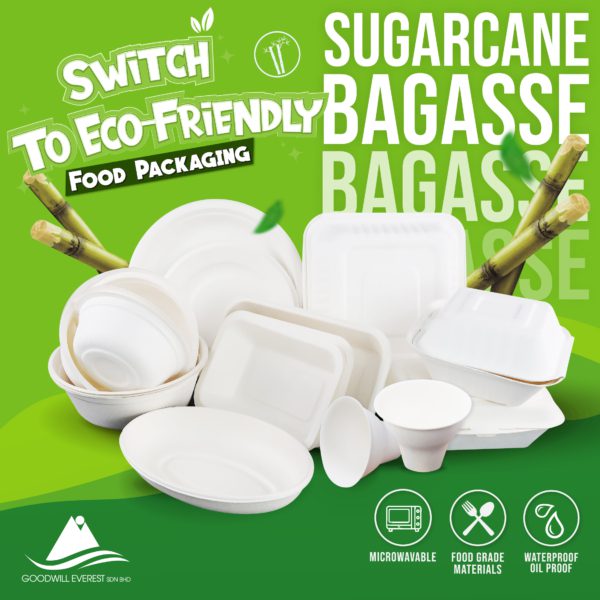
Bagasse is the fibre left after sugarcane is pressed for juice. Moulded into clamshell boxes, plates and bowls, it is sturdy, microwave- and oven-safe to moderate temperatures, and handles oily and saucy food without going soggy. It is the default for hot meals and substantial samples.
PLA — for cold cups and clear lids
PLA (polylactic acid) is a clear bioplastic made from plant starch. It looks and feels like traditional plastic, so it is ideal for cold cups, clear lids and cold-display containers. The one rule: PLA softens with heat, so keep it to cold and room-temperature uses, never hot coffee.
Corn-starch — for cutlery and small items
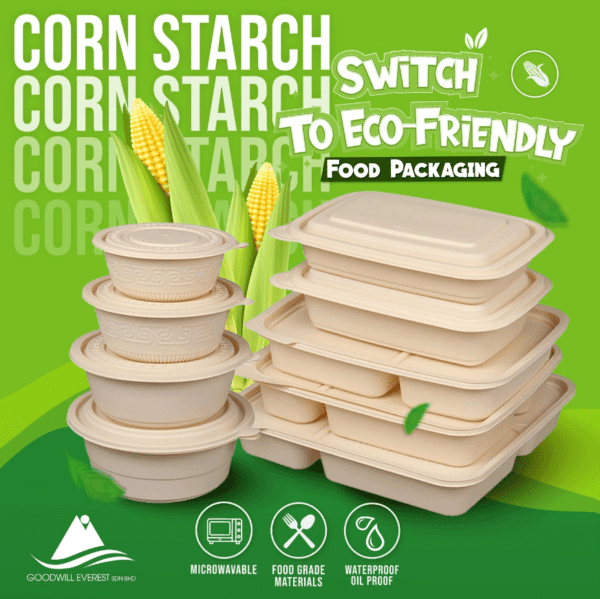
Corn-starch resin is moulded into cutlery sets, stirrers and small accessories. It is rigid enough for tasting and light meals and breaks down in commercial composting.
Kraft paper and wood — the everyday workhorses
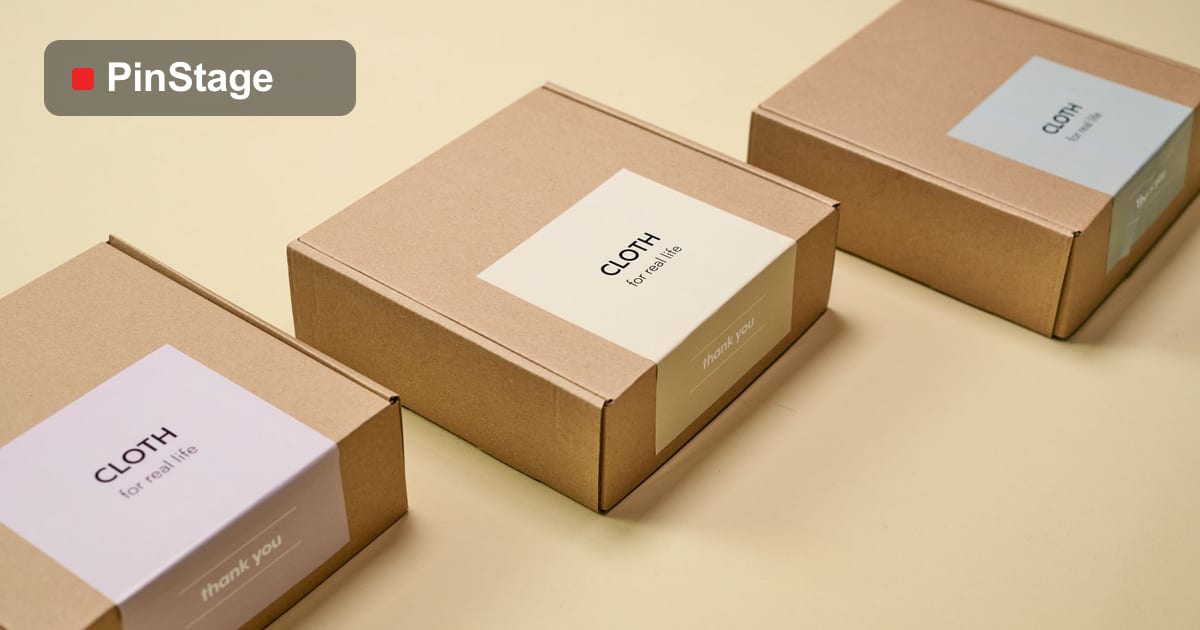
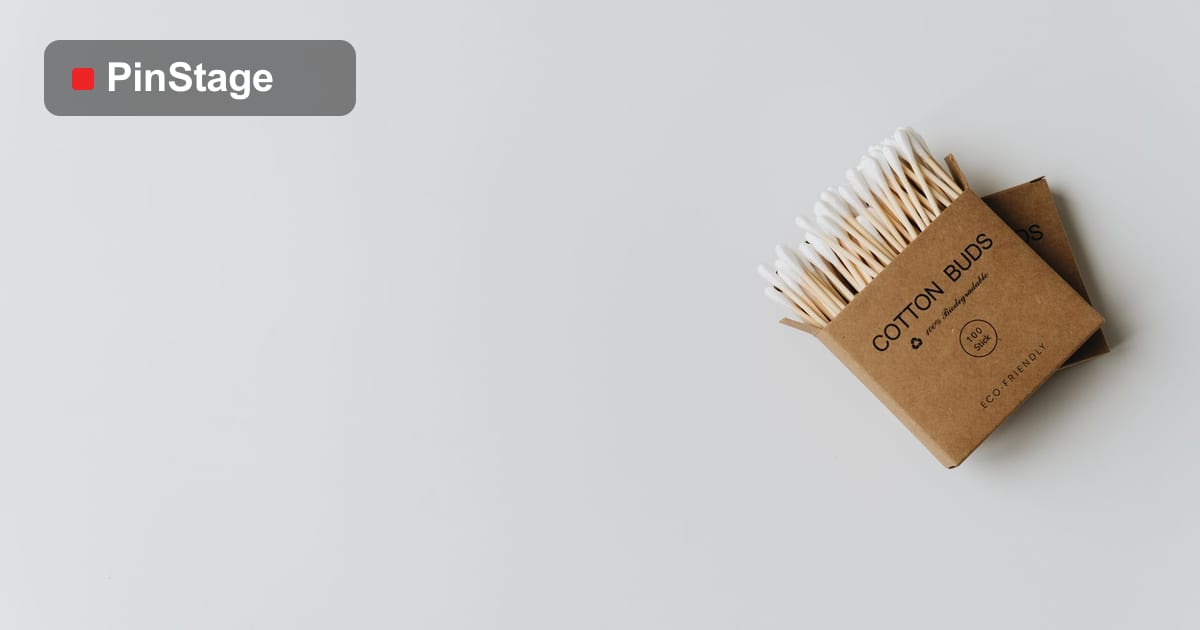
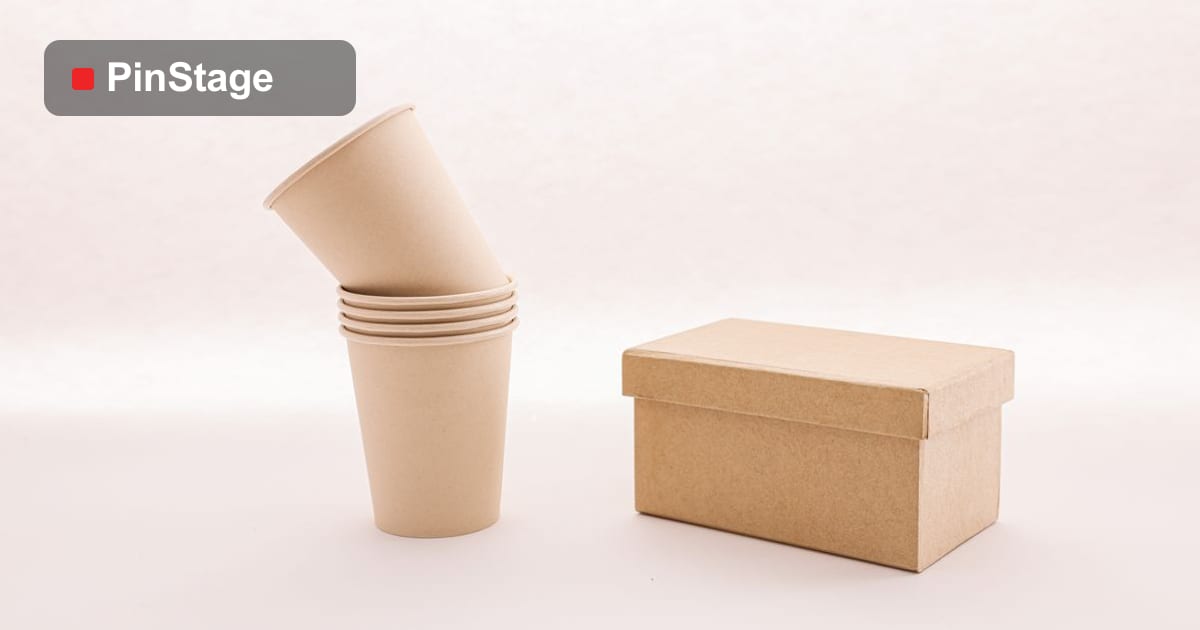
Beyond the three headline materials, unbleached kraft food boxes and bags, wooden cutlery and paper straws cover most everyday needs. Their natural look reads instantly as sustainable, which is half the branding job done for you.
The full comparison — strengths, heat tolerance and how each one breaks down — is in bagasse, PLA & corn-starch explained.
Matching packaging to your event
The right kit depends on what you are serving:
- Sampling station: small tasting cups, corn-starch spoons and picks keep portions neat and on-brand.
- Hot food: bagasse clamshells, bowls and plates.
- Cold drinks: PLA cups with dome lids and paper or PLA straws.
- Grab-and-go: kraft boxes and bags with a printed sleeve.
If you are running a tasting booth specifically, plan portions, flow and hygiene with the food-sampling booth guide.
Cups and lids without the confusion
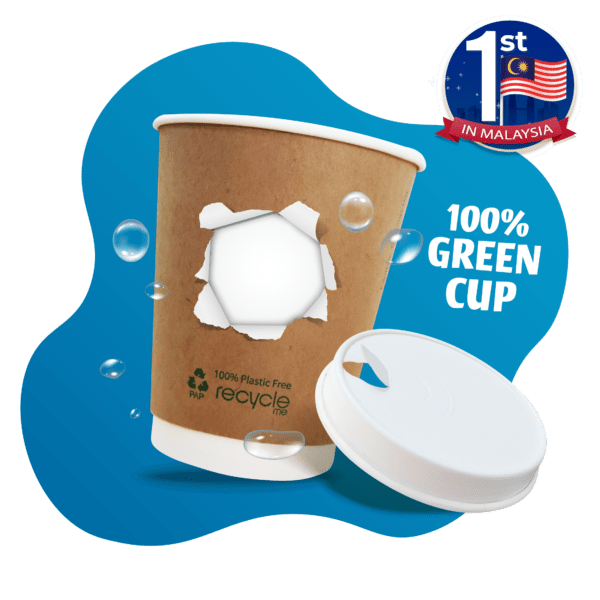
Cups cause more ordering mistakes than anything else — wrong size for the drink, lids that do not fit the rim. The short version: size by the drink (2–4oz for sampling, 8–16oz for served drinks), and match lids by rim diameter, not by ounce. The full breakdown, from a plain paper cup to dome lids and sleeves, is in the paper cup sizes & lids guide.
Branding your packaging
Plain stock works, but a printed cup is a walking advert — one of the cheapest brand impressions you can buy. Custom print needs a minimum order and a longer lead time, so plan ahead; the artwork rules, minimums and food-safe considerations are in custom-printed cups & packaging. Used honestly, eco packaging also builds trust — see sustainable branding for how to communicate it without tipping into greenwashing.
How much do you need?
The two worst outcomes are running out and massively over-ordering. A simple per-guest rule avoids both: roughly 150–200 cups, 120 cutlery sets and 200+ napkins per 100 guests, plus a 15–20% buffer. The full per-100 checklist, item by item, is in the event catering supplies checklist.
Cost and lead time
Eco packaging is priced by material and print. Plain stock is inexpensive and usually available fast; custom-printed and specialist items (clear PLA, double-wall cups) cost more and take longer. The practical rule: order plain stock for a quick turnaround, and plan 2–3 weeks ahead for anything branded. Buying a season's worth of plain consumables at once often lowers the unit cost and means you never scramble before an event.
Disposal: getting it right
"Compostable" almost always means commercial composting, not your kitchen caddy or general waste. Before you lean on green messaging, check what disposal your venue actually offers. If it only has general waste, be honest about it — overclaiming does more brand damage than the packaging earns. Where you can, add a simple sign at the bin telling guests how to dispose of your packaging; it turns a material choice into a moment people remember.
A pre-event ordering checklist
- Menu mapped to materials — hot, cold, sampling and grab-and-go each have a pick.
- Cups and lids matched by rim size.
- Quantities at per-100 rates plus a buffer.
- Branding ordered early if custom-printed.
- Disposal confirmed, with bin signage if helpful.
The accessories that complete the kit
A great cup is undone by a missing lid or no way to carry it. Round out the order with the small items that make service work: dome or sip lids matched to each cup, kraft sleeves so guests can hold a hot drink, paper or PLA straws, stirrers, napkins, and carrier trays for drinks on the move. These cost little individually but are the difference between a smooth station and a queue that stalls. Order them at the same time as the cups so rim sizes and colours match, and keep a small reserve of the fastest-moving items — lids and napkins always run out first.
Heat, grease and the freezer: what each material handles
Choosing wrongly here means leaks and collapse, so match the material to the job:
- Hot and saucy — bagasse plates, bowls and clamshells hold their shape and resist grease, and take moderate microwave and oven heat.
- Cold and wet — PLA cups and containers handle ice and condensation but soften with heat, so keep them cold.
- Oily, dry snacks — greaseproof-lined paper boxes and bags stop oil soaking through.
- Freezer or reheat — confirm the specific item is rated for it; not every compostable product is.
When in doubt, ask before you order — a container that fails mid-service costs far more than getting the spec right up front.
Reduce waste, not just swap the material
Switching to compostable is the visible win, but the bigger one is using less in the first place. Right-size your portions so half-finished cups do not go in the bin; offer a single napkin rather than a handful; skip the lid for a drink consumed at the counter. Smaller portions in tasting cups mean more people try your product and less waste — better for the planet and your budget at once. The most sustainable packaging is the packaging you did not need to hand out.
Eco packaging on a budget
Sustainable does not have to mean expensive. Plain kraft and bagasse stock is often no dearer than plastic equivalents, and three habits keep costs down: buy plain and add a printed sleeve or sticker for branding rather than full custom print; order a season's volume at once for a better unit price; and standardise on a few versatile items — one cup size for hot, one for cold, one bowl, one cutlery set — instead of a different SKU for every menu item. Fewer lines means less waste, simpler ordering and lower cost.
Frequently asked questions
Is compostable the same as biodegradable? No. "Biodegradable" is vague and unregulated; "compostable" means it breaks down under defined conditions, usually commercial composting. Prefer specific, certified claims.
Can I put bagasse in the microwave? Yes, to moderate temperatures — it is a common choice for hot meals. PLA, by contrast, is for cold use only.
How far ahead should I order? Plain stock can be quick; allow 2–3 weeks for custom-printed packaging.
Will eco packaging keep food as well as plastic? For the timescale of an event — hours, not days — yes; bagasse and PLA hold food and drink reliably. For long retail shelf-life, check the specific item's barrier rating.
Does it cost much more than plastic? Plain kraft and bagasse are often comparable to plastic; custom print and specialist clear PLA cost more. Standardising on a few items keeps the average down.
Can I compost it at home? Usually no — most items need the higher heat of commercial composting. Look for a "home compostable" certification if that matters at your venue.
Browse the full food-sampling & packaging range and follow the linked guides to kit your event end to end.