The two worst outcomes at a catered event are running out and massively over-ordering. A simple per-guest rule avoids both, and a checklist makes sure nothing is forgotten. This guide gives you working quantities and a printable list, and sits under our eco food packaging guide.
Per 100 guests — a working baseline
Adjust for your format, but start here:
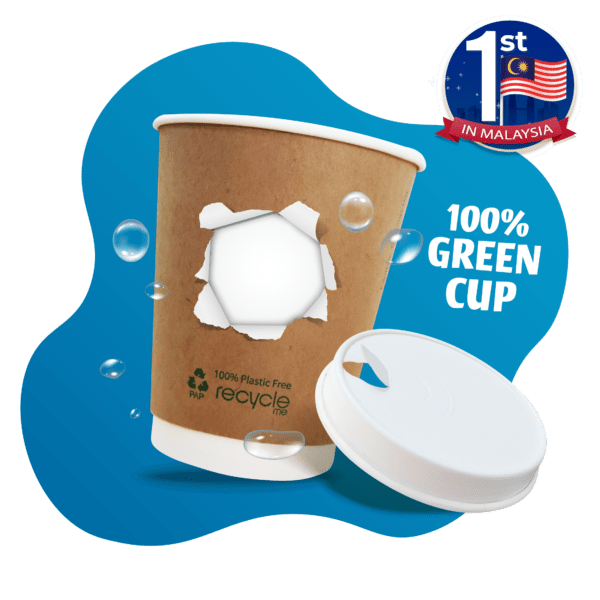
- Cups: 150–200. People take a fresh cup each time, so cups always outrun headcount. For sampling, tasting cups go even faster.
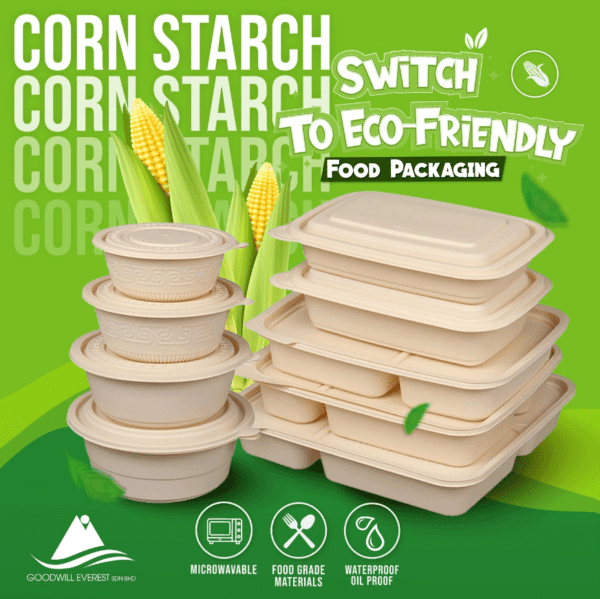
- Cutlery: 120 sets if there is food to eat — a corn-starch cutlery set covers most meals.
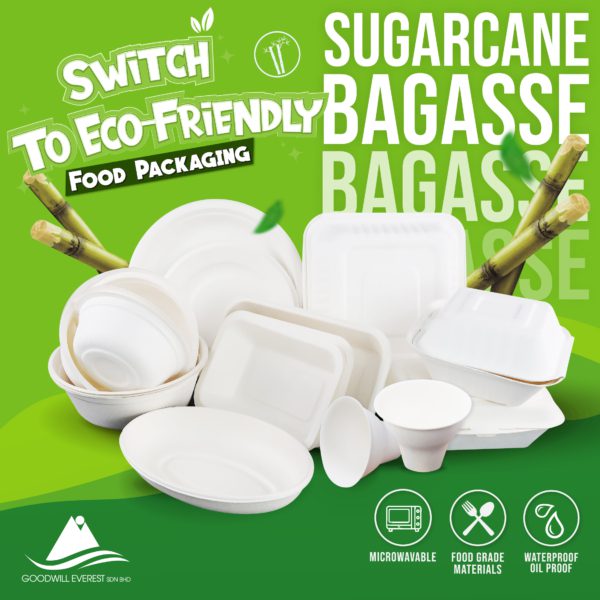
- Plates / bowls: 120 of the relevant type — a 9" bagasse plate for mains, bowls for soup or salad.
- Napkins: 200+. Napkins are cheap, always under-ordered, and disappear fastest.
The buffer rule
Add 15–20% to every line. Spills, second helpings and "just one more" are guaranteed, and running out at 2pm on day one is not recoverable. Surplus disposables store and travel to the next event — a shortfall does not. The buffer is the cheapest insurance you can buy against a stalled service.
Match items to the menu
The list changes with what you serve:
- Finger food and samples → tasting cups, picks, small trays, plenty of napkins.
- Hot mains → plates or clamshells, full cutlery sets, larger napkins.
- Soup or salad → bowls and lids, spoons or forks.
- Drinks → cups in two sizes, lids, straws, stirrers.
Start from the menu, item by item, and the quantities follow.
Drinks station supplies
A drinks station has its own list: cups in a hot and a cold size, matching lids, sleeves for hot cups, straws, stirrers, and napkins. Add a carrier tray if people take more than one drink. Cups run fastest here because each refill is a new cup, so weight your buffer towards the drinks station if that is your busiest point.
Hot food supplies
For hot food, the container does the heavy lifting: bagasse plates, bowls or clamshells that hold a hot, saucy dish without flexing. Add full cutlery sets, larger napkins, and a way to keep food at temperature. Order a few more containers than covers, because hot food is where spills and re-plating happen most.
Tasting and finger-food supplies
Sampling runs on small disposables that vanish quickly: tasting cups, spoons, picks or skewers, and a lot of napkins. Because people graze and take multiples, tasting quantities run well ahead of headcount — plan generously, pre-portion before the rush, and keep a sealed reserve. The full method is in the food-sampling booth guide.
The often-forgotten extras
The items that derail a service are the small ones: bin liners, gloves, sanitiser, serving tongs, a roll of cleaning wipes, and a marker for labelling. None is expensive, all are essential, and their absence stops a service or fails a hygiene check. Add a line for each to your list so they are ordered, not improvised on the day.
Pack a top-up box
Keep a sealed reserve of the fastest-moving items — cups, napkins, a bin-liner roll — behind the counter, and restock the front from it during lulls rather than during the rush. A top-up box turns "we ran out" into a two-minute refill, and it is the single most useful habit for a smooth service.
Ordering for multiple days
For a multi-day event, do not simply multiply day one by the number of days — footfall often rises as word spreads, and you cannot easily reorder mid-event. Order the full run up front with the buffer applied across all days, store the surplus securely overnight, and you avoid both a mid-event shortage and a daily scramble.
Reducing waste while you plan
Right-sizing portions and quantities is good for the planet and the budget at once. Offer a single napkin rather than a handful, skip lids on drinks consumed on the spot, and pre-portion only what you expect to serve in the next hour. The buffer protects you from running out; sensible portioning protects you from throwing away what you over-prepared.
Build the list once, reuse it
After each event, write down what you actually used and what you ran out of or over-ordered. Within two or three events, your per-100 numbers become accurate for your format, and ordering becomes a quick adjustment rather than a guess. A reusable, refined checklist is the difference between a stressful order and a confident one.
Common quantity mistakes
- Ordering to headcount. Cups and napkins outrun guests; plan per use.
- No buffer. A shortfall mid-service cannot be fixed.
- Forgetting the extras. Bin liners, gloves and napkins derail a service when missing.
- Multiplying days naively. Footfall rises; order the full run with buffer.
- Over-portioning. Generous portions waste stock; right-size and keep a reserve.
A printable checklist (per 100 guests)
- Cups 150–200 (two sizes) + matching lids.
- Cutlery 120 sets.
- Plates / bowls 120.
- Napkins 200+.
- Straws, stirrers, sleeves as the menu needs.
- Bin liners, gloves, sanitiser, tongs, wipes.
- A sealed top-up box of the fast movers.
- 15–20% buffer on everything.
Equipment, not just disposables
Disposables are only half a catering kit; the equipment around them keeps the service running. Plan serving utensils, a chiller or warmer for temperature-sensitive food, a thermometer, a water supply for hand-washing, and bins for waste and recycling. None of this is packaging, but a beautifully-stocked station fails without the tongs to serve with or the bin to clear into. Add an equipment line to the checklist alongside the consumables.
Allergens and labelling supplies
If you serve food to the public, you need to tell people what is in it. Pack allergen labels or cards, a way to display ingredients, and separate utensils for different dishes to avoid cross-contact. A small box of labelling supplies — cards, a marker, clips — is easy to forget and important to have, especially at a tasting where people ask what is in each sample. Clear labelling protects guests and your brand.
Setting up the service stations
Lay the kit out by station before service starts, so nothing is hunted for mid-rush. The drinks station gets cups, lids, sleeves, straws and stirrers within reach; the food station gets plates, cutlery and napkins at the front; the clearing point gets bins and liners. Pre-portion what you can, stock each station from the top of its box, and keep the top-up box behind, not in front. A well-laid station is half a smooth service.
A timeline for ordering
Order with enough lead time and nothing is a rush. Two to three weeks out, confirm the menu and the per-100 numbers and order plain stock plus any custom-printed items. One week out, double-check quantities against the latest headcount and order any top-ups. The day before, pack by station with the buffer and the top-up box. A simple timeline turns a stressful last-minute order into a calm, confident one.
Adjusting for event type
- Trade fair or expo: high, fast footfall — weight the buffer towards cups and napkins.
- Seated dinner: predictable covers — closer to headcount, with full cutlery and larger napkins.
- Sampling booth: repeated grazing — tasting cups and napkins run far ahead of headcount.
- Multi-day event: order the full run up front; footfall often rises day on day.
Match the quantities to the format and you neither run short nor drown in surplus.
Hiring vs buying
For a one-off event you may hire some equipment — chillers, warmers, urns — rather than buy it, while disposables are always bought. Decide early what you hire and what you own, because hire needs booking ahead and disposables need lead time for any custom-printed items. A clear split between hired equipment and purchased consumables keeps both the budget and the logistics under control, and stops a forgotten hire or a late custom order from derailing the day.
The single most useful habit
If you take one thing from this guide, make it the top-up box. A sealed reserve of the fast-moving items — cups, napkins, bin liners — kept behind the counter and restocked during lulls is the one habit that most reliably prevents a stalled service. Everything else is planning done in advance; this is the in-service safety net. Build it into every event and "we ran out" becomes a quiet two-minute refill instead of a crisis.
Frequently asked questions
How many cups per 100 guests? 150–200 for a drinks service, more for repeated tasting, plus a 15–20% buffer.
What gets forgotten most? Napkins and the extras — bin liners, gloves, sanitiser. Add a line for each.
Should I order each day separately for a multi-day event? No — order the full run with the buffer up front; you cannot easily reorder mid-event.
Stock the whole event from the packaging range, and if you are sampling, pair this with the food-sampling booth guide.