Malaysia has been steadily moving away from single-use plastics — from straw bans and plastic-bag charges to roadmaps phasing out more items over time. For any food or retail business, the direction is clear: single-use plastic is on the way out, and switching to eco alternatives is becoming the norm rather than the exception. This guide explains the shift in plain terms and the alternatives that actually work. It is part of our guide to eco-friendly food packaging.
Note: regulations and timelines vary by state and change over time — check your local council's current rules. This guide focuses on the practical switch, not legal advice.
The direction of travel
Across Malaysia, the trend has been consistent: charges and bans on plastic bags, restrictions on plastic straws, and broader roadmaps to reduce single-use plastics in stages. Different states and councils move at different speeds, but the overall direction is one way — toward less single-use plastic. For businesses, waiting to be forced is riskier than switching ahead of the curve, because the change is coming regardless and early movers avoid the scramble.
What it means for food businesses
If you serve food or drink, the items most affected are the obvious single-use plastics:
- Plastic straws → paper or PLA straws.
- Plastic bags → paper/kraft bags (and charges where bags remain).
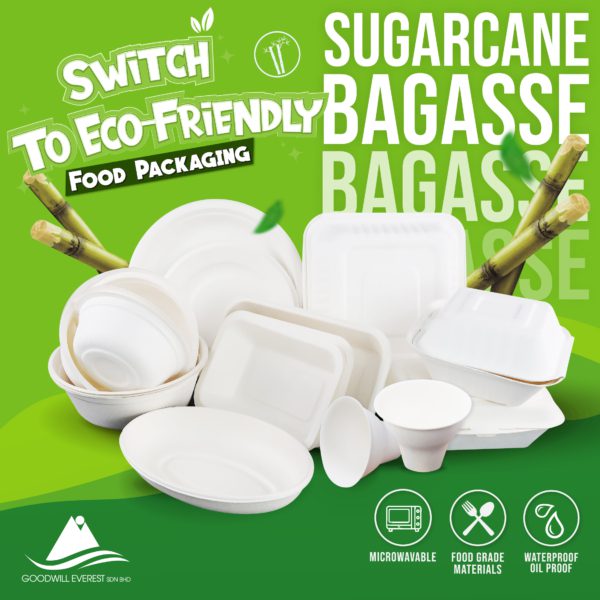
- Foam (polystyrene) boxes → bagasse or paper containers.
- Plastic cutlery → wooden or corn-starch cutlery.
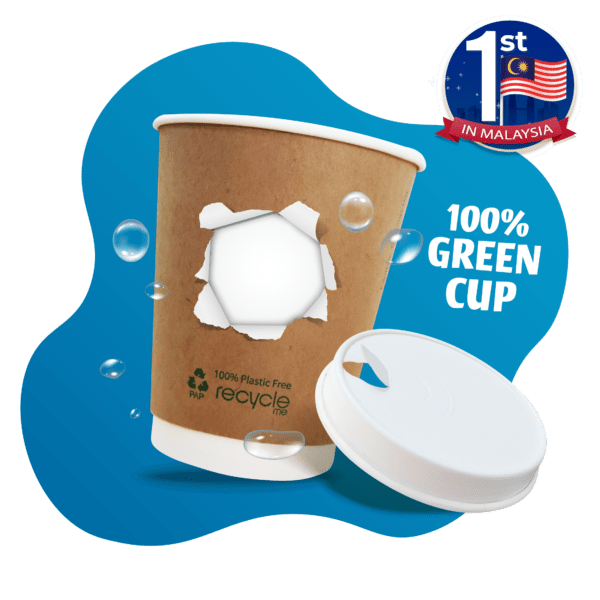
- Plastic containers and cups → bagasse, PLA or paper.
The good news: for almost every banned plastic item, there is a proven eco alternative that does the same job.
The alternatives that work
- Bagasse replaces foam and plastic boxes — sturdy, handles hot and wet food, compostable. See bagasse clamshells.
- PLA replaces clear plastic cold cups and lids — see the PLA cold cup.
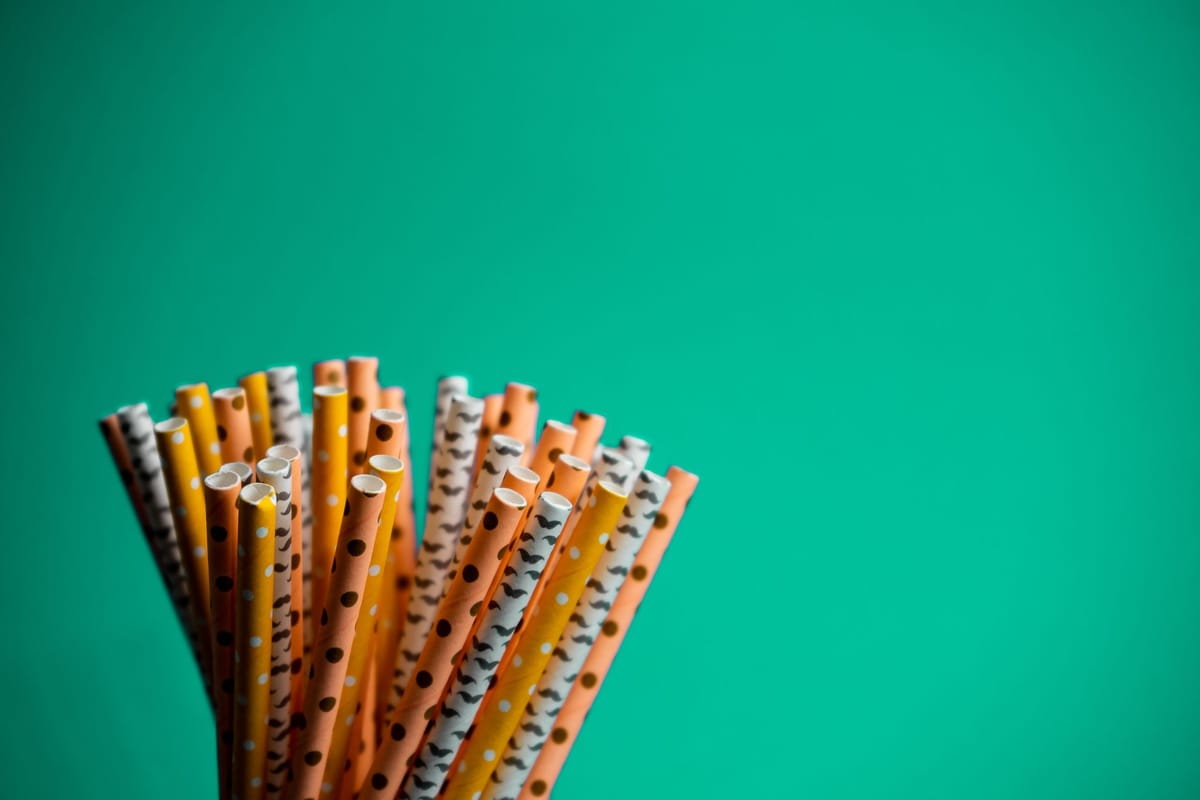
- Paper replaces bags, trays, wraps and straws — including paper straws.
- Wood / corn-starch replaces plastic cutlery — see wooden cutlery.
Match the alternative to the food and temperature using our bagasse vs PLA vs paper guide, and understand the eco claims with compostable vs biodegradable.
How to switch smoothly
- Audit your current single-use plastics — list every plastic item you hand out.
- Match each to an alternative — bagasse, PLA, paper or wood.
- Test with your actual food — check the alternative performs (no soggy box, no melted cup).
- Switch and tell the story — customers value the change, so put it on your packaging and signage.
- Buy in sensible quantity to keep the per-unit cost down.
Switching ahead of any deadline turns a compliance chore into a brand positive — see sustainable packaging branding for telling that story.
Frequently asked questions
Is single-use plastic banned in Malaysia? Malaysia has been phasing out single-use plastics in stages, with rules varying by state and council (plastic-bag charges, straw restrictions and broader roadmaps). Check your local council's current rules; the overall direction is toward less single-use plastic.
What can I use instead of plastic packaging? Bagasse for boxes, PLA for clear cold cups, paper for bags/trays/straws, and wood or corn-starch for cutlery — each matched to the food and temperature.
Are the alternatives more expensive? Slightly, but the gap is narrowing, and switching ahead of bans avoids a last-minute scramble while giving you a brand benefit.
How do I choose the right alternative? Match it to the food and temperature — see bagasse vs PLA vs paper. Browse the packaging range.