Customers increasingly judge a brand by what it hands them, which makes packaging one of your most visible value statements. Eco packaging is a daily, physical signal of how your business operates — but only if you use it honestly. This guide is about turning sustainable packaging into genuine brand trust, and sits under our eco food packaging guide.
Why packaging is a brand statement
Every cup, box and bag you hand over is a small, repeated message about your values. A customer who receives a plastic clamshell and a plastic bag reads one thing; a customer handed a kraft box and a paper bag reads another. Packaging is not just a container — it is the last thing a customer touches, and the thing they carry away and remember.
Let the material show
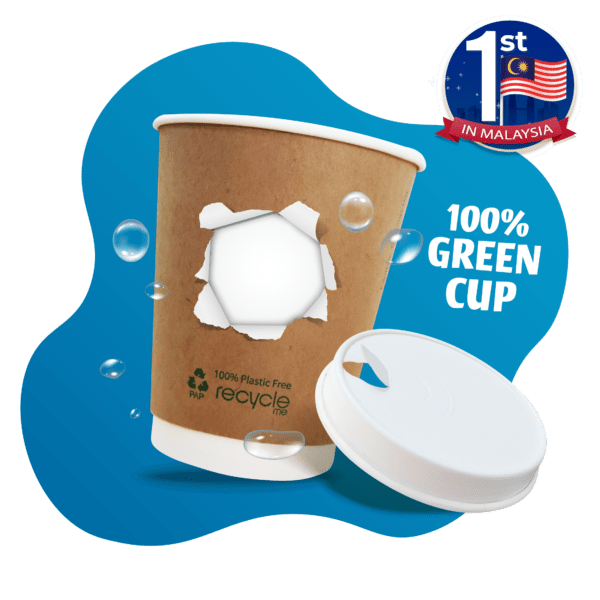
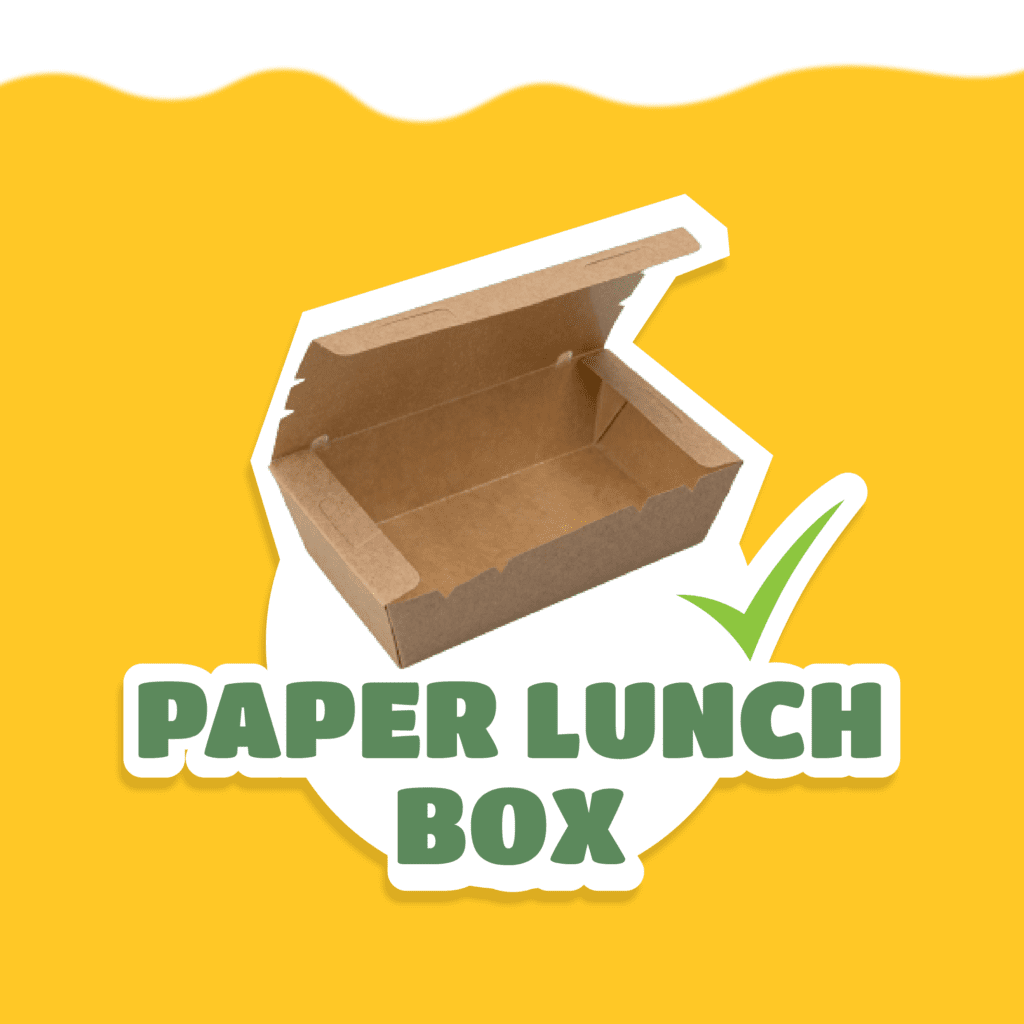
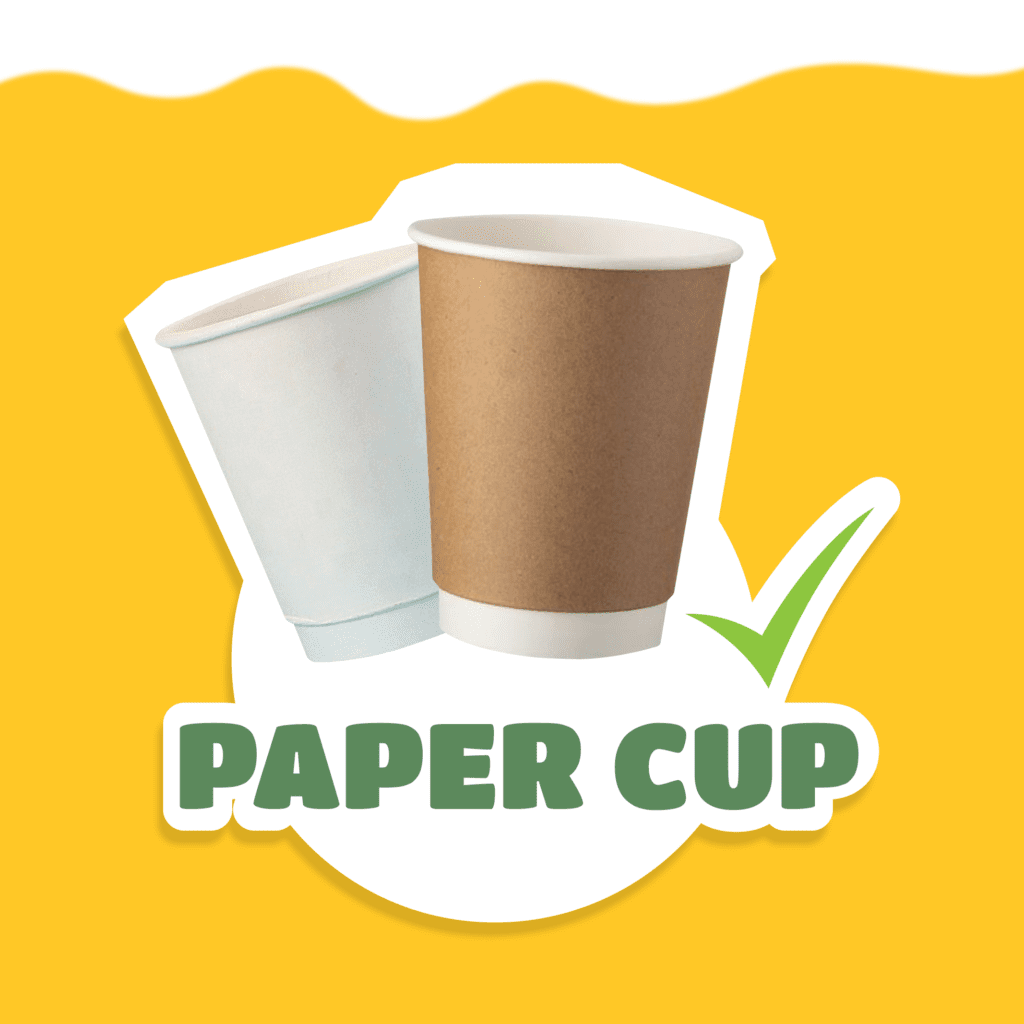
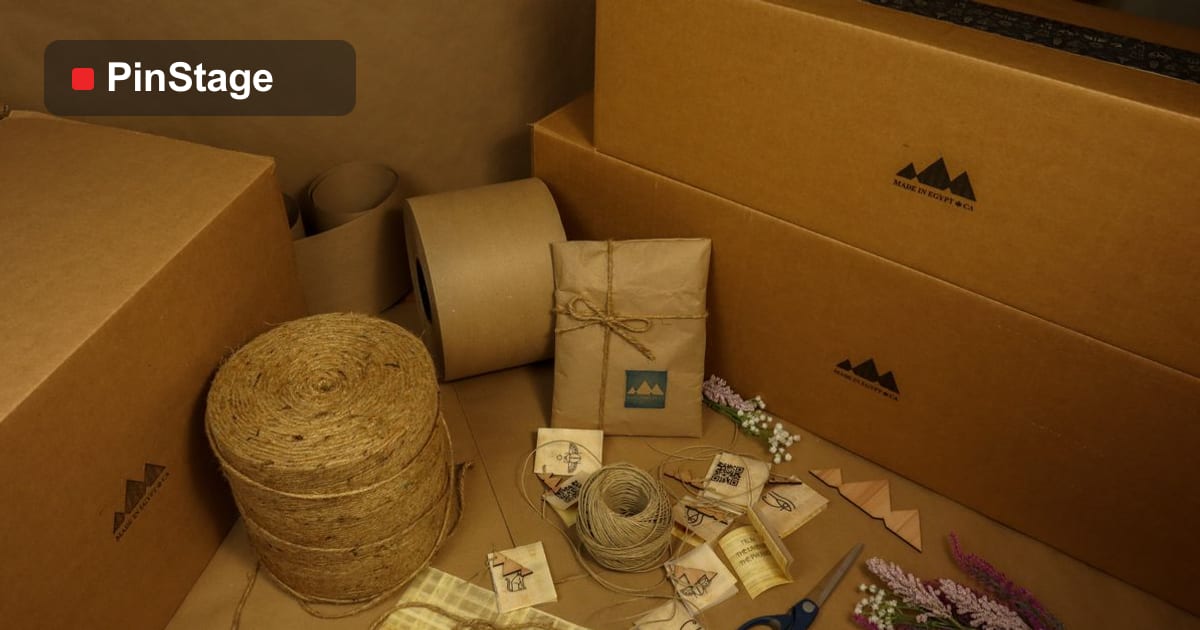
The easiest sustainability message is the one the material delivers on sight. A natural kraft food box or an unbleached paper bag reads as eco at a glance, because the unprinted, natural look signals it. A plastic-free water-based coated cup tells the same story to anyone who checks. Choosing materials that look and feel sustainable does half the communication for you.
Say what it actually is
Vague claims erode trust faster than they build it. Be specific: "compostable in commercial facilities", "plastic-free water-based coating", "made from sugarcane fibre". Specific, verifiable statements are credible; a bare "eco-friendly" label is not, and increasingly invites scepticism. The more precisely you describe what the packaging is and how to dispose of it, the more your claim is believed.
Avoid greenwashing
Greenwashing — overstating environmental benefit — does more brand damage than the packaging earns:
- Do not imply home-compostable if the item needs an industrial facility.
- Do not badge one item green while the rest is plastic.
- Do not use vague imagery (leaves, "natural") without a substantiated claim.
- If disposal in your area is limited, say so — honesty reads as confidence.
A customer who catches an overclaim trusts everything else you say a little less.
Certifications and proof
Where it matters, certifications back your claim. Recognised compostability or material certifications give a customer something concrete to trust, and a printed certification mark or a short, specific line on the packaging does more than a generic green logo. If your supplier can provide certification details, use them — proof beats adjectives.
Brand it consistently
A printed message on a custom cup turns packaging into a quiet, repeated campaign. Keep the claim short, pair it with your logo, and repeat the same message across cups, boxes and bags so the story is coherent. Consistency is what turns scattered eco items into a recognisable, trusted brand position — see custom-printed cups & packaging for the artwork and minimums.
Make it part of the experience
At an event, a simple sign at the bin explaining how to dispose of your packaging turns a material choice into a moment a customer remembers and tells others about. Pair eco consumables with on-brand signage, a line on the menu, or a word from staff, and you reinforce the message at the point it lands. Sustainability that is explained is sustainability that is credited to your brand.
Telling your sustainability story
Beyond the packaging itself, a short, honest story connects with customers: what you changed, why, and what difference it makes. Keep it specific and modest — "we switched to compostable cups in 2026" beats grand, unprovable claims. A blog post, a sign, or a line on your packaging gives interested customers somewhere to learn more, and turns a material choice into a reason to choose you.
Pricing and the value message
Eco packaging sometimes costs a little more, and how you frame that matters. Rather than apologising for it, present it as part of the value — the experience, the values, the quality. Many customers will pay slightly more for a brand whose packaging matches their own values, and framing the choice positively turns a cost into a selling point rather than a margin worry.
Measuring the brand payoff
The return on sustainable packaging is real but indirect: repeat custom, word of mouth, social shares of a nicely-packaged product, and alignment with customers and venues who increasingly require it. Watch for those signals, ask customers what they notice, and you will see whether your packaging is doing brand work as well as holding food. The visible, photogenic eco item often earns its small premium in attention alone.
Common sustainable-branding mistakes
- Vague claims. "Eco-friendly" alone invites doubt; be specific.
- Overclaiming. Implying home-compostable when it is not damages trust.
- Inconsistency. One green item among plastic undercuts the message.
- Hiding the material. A natural look communicates; do not over-print it away.
- Not explaining disposal. Tell customers how to dispose of it.
A quick checklist
- Materials that look and feel sustainable.
- Specific, truthful claims, not vague labels.
- Consistent branding across the whole set.
- Disposal explained at the point of use.
- An honest, modest sustainability story.
Where customers notice packaging
Packaging works hardest at three moments: when it is handed over, when it is carried, and when it is photographed. A branded cup in the hand, a bag carried down the street, and a nicely-packaged product on social media each put your brand in front of new people. Design for those moments — a clean, photogenic, on-brand item earns attention you did not pay for, which is exactly where eco packaging quietly pays back.
Packaging across the whole journey
A coherent eco story runs from counter to bin, not just the main container. A bagasse box undercut by a plastic bag sends a mixed message; a kraft bag, paper napkin and wooden stirrer complete it. Audit the whole journey a customer takes with your packaging and replace the weakest, least sustainable link first. Consistency across the set is what makes the eco position believable.
Eco branding on a budget
Sustainable branding does not require the most expensive packaging. Plain kraft and bagasse already look the part for little more than plastic, and a printed sleeve or a die-cut sticker brands a plain cup without a full custom run. Standardise on a few versatile, natural-looking items, and you get a coherent, credible eco brand without a premium spend.
Engaging staff and customers
The packaging speaks, but people complete the message. Brief your team to mention the eco choice naturally when it is relevant, add a short line to the menu or a sign at the bin, and you turn a silent material choice into a conversation. Customers who understand why you chose the packaging credit it to your brand; customers who never notice simply get a cup.
Future-proofing your choices
Rules and expectations around single-use packaging are tightening, not loosening. Choosing compostable, plastic-free packaging now is partly a brand decision and partly getting ahead of where regulation and customer expectation are heading. A brand that already serves sustainably is ready for the next venue requirement or local rule, rather than scrambling to catch up — and it tells customers you were not waiting to be forced.
Recyclable vs compostable
"Recyclable" and "compostable" are not the same, and using them loosely confuses customers. Recyclable means it can be reprocessed if your area collects that material; compostable means it breaks down in (usually commercial) composting. Neither is automatically better — what matters is whether your local disposal actually handles it. Say which one your packaging is, and how to dispose of it, rather than reaching for whichever word sounds greenest.
Letting customers do the talking
The most persuasive sustainability message does not come from you — it comes from a customer sharing a nicely-packaged product, or telling a friend you "use proper compostable cups". Make your packaging worth talking about: clean, on-brand, genuinely sustainable, and easy to understand. Word of mouth and social shares reach people no advertising budget would, and good eco packaging is one of the cheapest ways to earn them.
Frequently asked questions
Is eco packaging worth the extra cost? Usually — it builds trust and repeat custom, and many customers will pay a little more for values that match theirs.
What is greenwashing? Overstating environmental benefit — vague or false claims. It does more brand harm than honest, specific messaging.
Do I need a certification? Not always, but a recognised mark gives customers concrete proof and strengthens a specific claim.
Recyclable or compostable — which is better? Neither automatically; what matters is whether your local disposal handles it. Say clearly which yours is.
Will customers really notice? Many do, and some choose a brand for it — especially when the packaging is visibly natural and you explain the choice.
How do I avoid greenwashing? Make specific, truthful claims, hold every item to the same standard, and never imply more than the packaging actually does.
Brand your packaging with custom-printed cups & packaging, and browse the packaging range.