Every cup that leaves your booth is carried past dozens of people, which makes custom-printed cups and food boxes some of the cheapest brand impressions you can buy. But a printed cup only works if the design suits a small, curved surface and the order is planned around minimums and lead time. This guide covers both, and sits under our eco food packaging guide.
Why a printed cup is cheap advertising
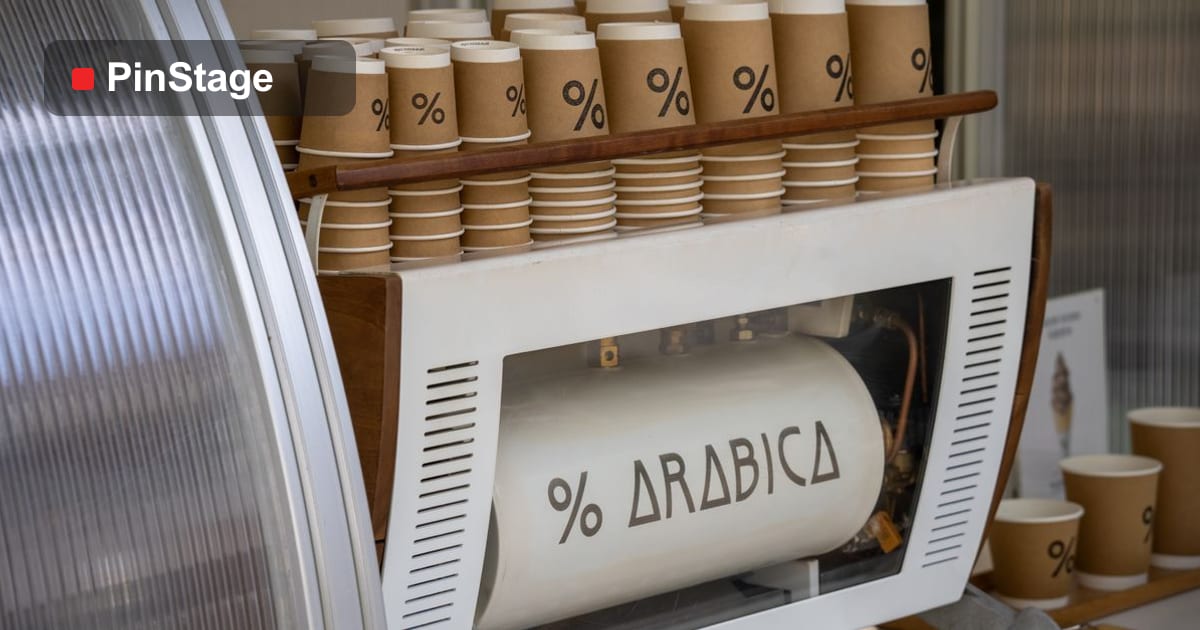
Think about where your packaging goes: out of the booth, down the street, onto a desk, into a photo. A branded cup is a small, mobile billboard that keeps working long after the sample is finished — and per impression, it costs a fraction of almost any other advertising. For an F&B pop-up especially, the cup in someone's hand is your most-seen piece of marketing.
Design for a curved, small surface
A cup is not a flyer. Keep it to three things: your logo, your handle or website, and one colour that pops. Wrap a simple pattern around the body so the design reads from any angle, and mind the seam — do not split your logo across the join where the cup overlaps. Big, simple and bold beats small and detailed on a surface people see in a glance.
Know the minimums and lead time
Custom print needs a plate or screen set-up, so it comes with a minimum order quantity — often around 1,000 cups or 500 boxes — and a longer lead time than plain stock. Plan 2–3 weeks ahead. If your event is sooner, use plain paper cups now and add a branded sleeve or sticker as a fast workaround, then order custom for the next run.
Keep it food-safe
Printing only goes on the outer surface, with food-safe inks kept away from the rim and the inside of the cup. A reputable supplier prints to food-contact standards as a matter of course, but it is worth confirming, especially for anything that touches the mouth or the food directly. Never accept print on the inside of a cup or the food side of a box.
Eco vs plastic-lined
If you are branding for an eco-conscious audience, the lining matters as much as the print. Ask for water-based or PLA coatings rather than a traditional plastic lining, so the cup is genuinely compostable and the branding is not undermined by a plastic core. The material choices behind this are in bagasse, PLA & corn-starch explained.
Choosing colours that print well
Supply your brand colours in CMYK, and add Pantone references if an exact shade matters — print colour can shift from screen, especially bright blues and greens. On kraft, remember the brown base tints everything: light colours look muted and white may need a special ink. A simple one- or two-colour design often looks cleaner and prints more reliably on packaging than a full-colour photo.
What to put on the cup
Lead with the one thing you want remembered — usually your logo — and add a single supporting element: a website, a social handle, or a short tagline. Resist crowding the cup with everything; a clean cup with one strong mark looks more premium and is more memorable than a busy one. Save detail for the packaging people keep, like a box or a bag.
Beyond cups: matched packaging
Cups, boxes, napkins and bags in the same artwork make a small pop-up look like an established brand. Order a matched set and reuse the artwork across every item, so the whole experience — from the cup to the bag someone carries home — reads as one coherent brand. Consistency across the set does more for a small brand than a fancier design on one item.
Artwork you need to supply
- A vector logo (AI, PDF or SVG), not a low-resolution screenshot.
- Brand colours in CMYK, with Pantone references if exact colour is critical.
- Confirmation of the print area and seam position for the specific cup or box.
Get these ready before you order and the job moves quickly; the wider file rules are in print-ready file setup.
Common custom-print mistakes
- Leaving it too late. Custom print needs 2–3 weeks; plan ahead or use a sleeve.
- A low-resolution logo. It looks fuzzy printed; supply vector.
- Too much on the cup. One strong mark beats a crowded design.
- Ignoring the kraft base. Brown tints colours; design for it.
- A plastic lining on an "eco" cup. Ask for a compostable coating.
A pre-order checklist
- Vector logo and CMYK brand colours ready.
- Design suited to a curved, small surface.
- Minimum order and lead time confirmed.
- Food-safe, compostable coating if eco.
- Matched artwork across cups, boxes and bags.
Print methods, briefly
You do not need to be a print expert, but a little context helps. Large runs of cups are usually flexographic or offset printed, which gives a clean, consistent result at volume and is why minimums exist. Smaller or specialist runs may be digitally printed, which allows shorter quantities at a higher unit cost. Your supplier picks the method; your job is to supply good artwork and confirm the quantity and timeline.
Single colour vs full colour
More colours mean more cost and, sometimes, a higher minimum. A crisp one- or two-colour logo often looks more premium on a cup than a full-colour photo, and prints more reliably — especially on a kraft cup where the brown base shifts colours. Decide whether your brand really needs full colour, or whether a strong single-colour mark does the job for less. On packaging, restraint usually reads as quality.
Sleeves and stickers as a fast alternative
When the event is too soon for a custom print run, a sleeve or sticker gives you branding today. A printed kraft sleeve slips onto a plain cup and adds a brand surface and heat protection in one; a die-cut sticker brands a cup, box or bag instantly. These cost less, have no large minimum, and are perfect for a first event or a short-notice job — then graduate to fully printed cups once the volume justifies it.
Sizing the print to the cup
A cup is a cone, not a cylinder, so artwork wraps and tapers — a design laid out as a flat rectangle will distort on the cup. Always design onto the supplier's template for the exact cup size, which accounts for the taper, the seam and the unprintable zones near the rim and base. Confirm the print area before you build, and your logo lands where you intend rather than stretched or cut off.
Reordering and consistency
A printed cup is rarely a one-off — you reorder as you grow. Keep your print-ready artwork and note the cup model, size and colours, so a repeat order is identical to the first and arrives without redesign. Consistency matters: a customer who sees the same cup at three events remembers the brand. Treat the artwork as a reusable asset, and every reorder is faster and cheaper.
Matching the cup to your eco message
If sustainability is part of your brand, the cup should back it up, not undercut it. Choose a compostable cup with a water-based or PLA coating, print with the natural material showing rather than hiding it, and keep the claim on the cup honest and specific. A "100% recyclable" line on a plastic-lined cup invites scrutiny; a genuine eco cup with a simple, true message earns trust — and the cup becomes proof of your values, not just a logo carrier.
When to brand and when to keep it plain
Custom print is not always the answer. For a one-off event, a high volume of low-value items, or a tight deadline, plain stock with a sleeve or sticker is often the smarter spend. Reserve full custom print for your hero items — the cup and the bag people see and carry most — and for runs large enough to clear the minimum comfortably. Brand where it pays; stay plain where it does not.
Frequently asked questions
What is the minimum order for printed cups? Often around 1,000 cups; smaller for some items. Plain stock has no such minimum.
How long does custom printing take? Allow 2–3 weeks; use plain cups with a sleeve if your event is sooner.
Can I print eco cups? Yes — and ask for a water-based or PLA coating so the cup stays compostable.
Single or full colour? A clean one- or two-colour logo prints more reliably and often looks more premium than a full-colour photo, especially on kraft.
Do you provide a cup template? Yes — design onto the supplier's template for your exact cup so the wrap, taper and seam line up correctly.
What if my event is next week? Use plain cups with a printed sleeve or sticker now, and order custom for the next run once you have the lead time.
See the material options in bagasse, PLA & corn-starch explained, and browse the packaging range.