Single-use plastic looks careless at a food booth in 2026, and the good news is that compostable packaging now performs as well for less. But "eco" is not one thing — bagasse, PLA and corn-starch are different materials with different strengths, and using the wrong one means a leaking box or a melted cup. This guide explains each, so you choose the right material for each job. It sits under our eco food packaging guide.
Why compostable beats plastic now
A decade ago, eco packaging meant paying more for something flimsier. That trade-off has mostly gone: bagasse holds hot, saucy food without collapsing, PLA looks as clear as plastic, and corn-starch cutlery is rigid enough for a real meal. At the same time, customers, venues and councils increasingly expect — or require — plastic-free service. Choosing compostable is no longer a compromise; it is the sensible default and a visible signal of how your brand operates.
Bagasse — sugarcane fibre
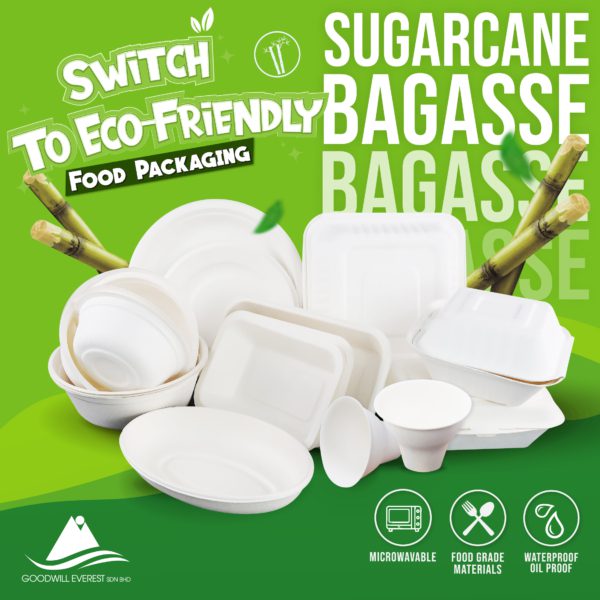
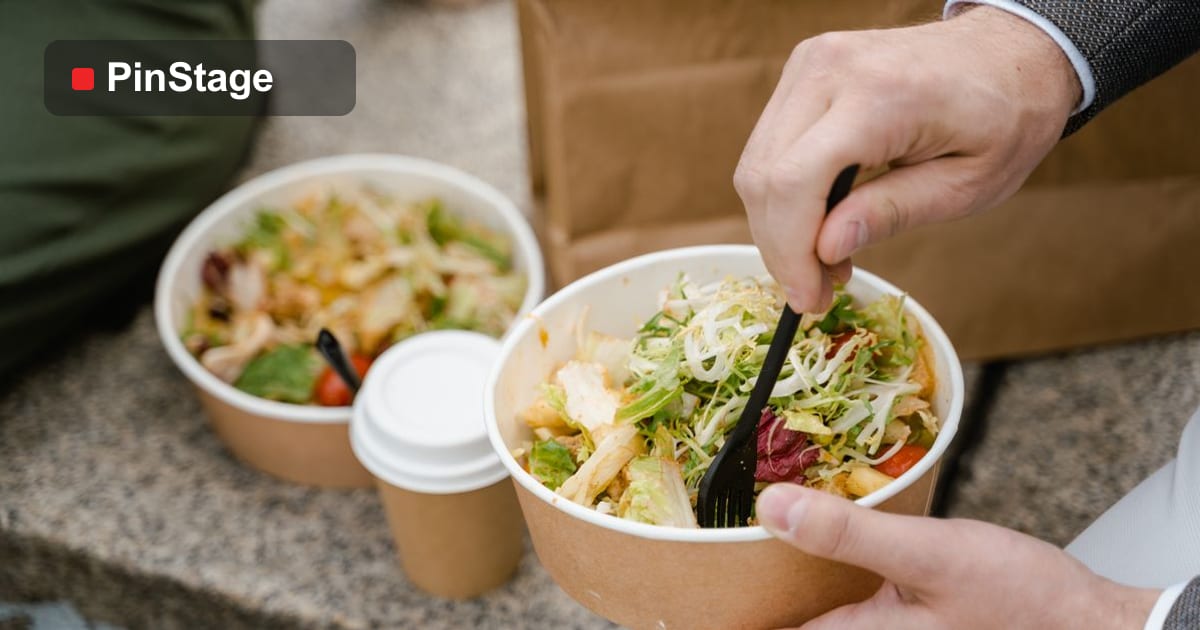
Bagasse is the fibre left over after sugarcane is pressed for juice — a by-product turned into packaging. Moulded into clamshell boxes, plates and bowls, it is sturdy, microwave- and oven-safe to moderate temperatures, and handles oily and saucy food without going soggy. It is the default for hot meals, substantial samples and anything that needs to hold its shape. Its natural off-white colour also reads instantly as sustainable.
PLA — plant-based bioplastic
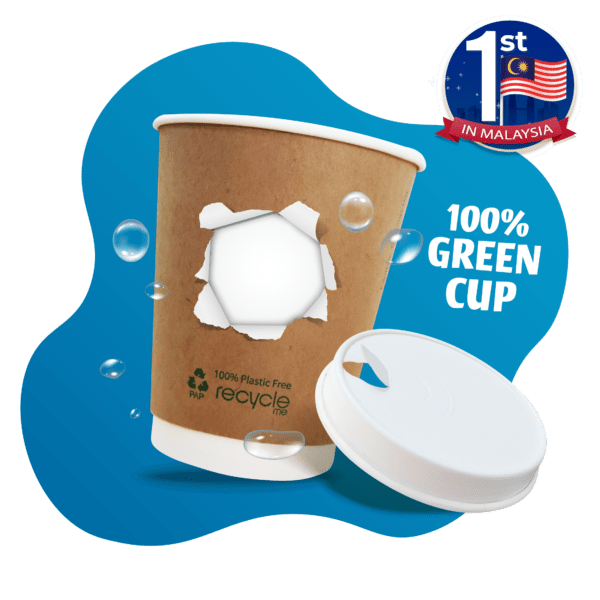
PLA (polylactic acid) is a clear bioplastic made from plant starch, usually corn. It looks and feels like traditional plastic, so it is ideal for cold cups, clear lids and cold-display containers where you want to see the product. The one rule that matters: PLA softens with heat, so keep it to cold and room-temperature uses — never hot coffee, which will deform it.
Corn-starch — moulded resin
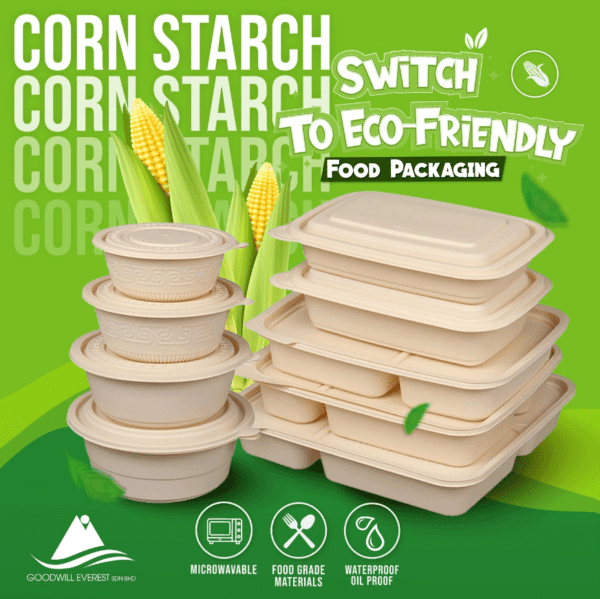
Corn-starch resin is moulded into cutlery sets, stirrers and small accessories. It is rigid enough for tasting and light meals, holds up a little better to warmth than PLA, and breaks down in commercial composting. For the small, sturdy items at a food station — forks, spoons, picks — corn-starch is a common, reliable choice.
Kraft paper and wood
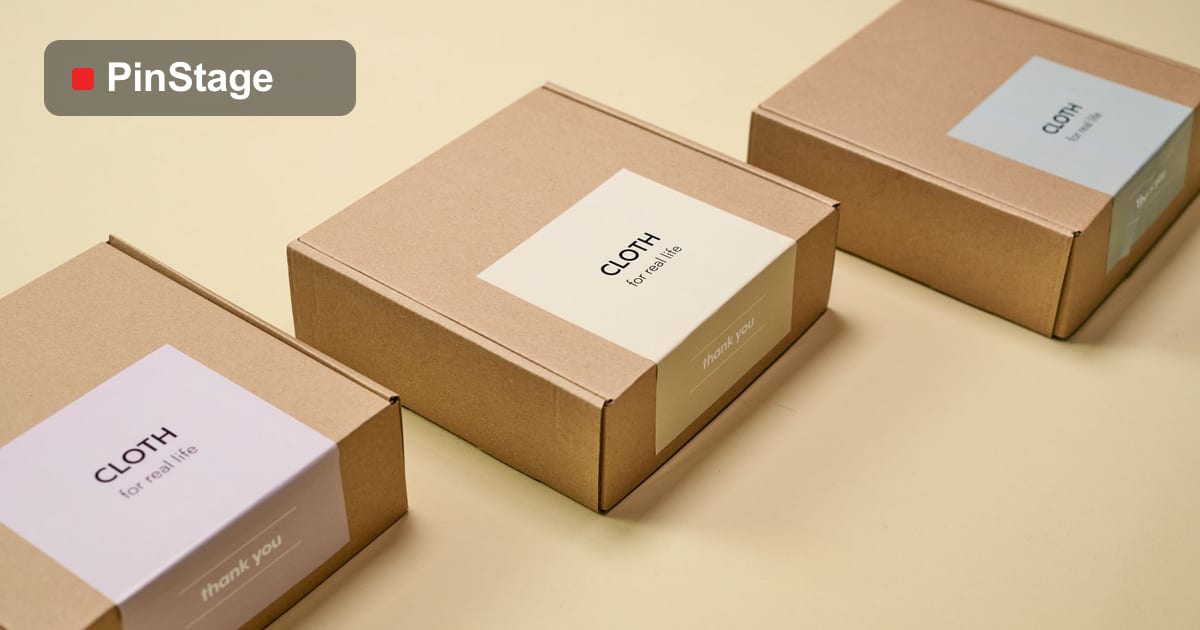
Beyond the three headline materials, unbleached kraft food boxes and bags, birch-wood cutlery and paper straws cover most everyday needs. They are simple, widely composted or recycled, and their natural look does half the sustainable-branding job for you. Wood and paper are the unglamorous workhorses that round out an eco kit.
How to tell them apart
At a glance: bagasse is the firm, fibrous, off-white moulded board (plates, bowls, boxes); PLA is the clear, plastic-like cup or lid; corn-starch is the rigid, often cream-coloured cutlery; kraft is the brown paper box or bag. If you are not sure which a product is, check the description or ask — it matters, because each handles heat and moisture differently.
Heat, cold and grease: what each handles
- Hot and saucy: bagasse — holds shape and resists grease, takes moderate microwave and oven heat.
- Cold and wet: PLA — handles ice and condensation, but softens with heat.
- Light meals and tasting: corn-starch cutlery — rigid and tolerant of a little warmth.
- Dry and oily snacks: greaseproof-lined kraft — stops oil soaking through.
Match the material to the temperature and the food, and you avoid the leaks and collapses that come from using cold-only PLA for a hot dish.
Composting and disposal explained
"Compostable" almost always means industrial or commercial composting — higher heat than a home compost heap or your kitchen caddy. Before you lean on green messaging, check what disposal your venue actually offers; if it only has general waste, the environmental benefit is smaller, and honesty about that protects your brand. Where you can, add a simple bin sign telling guests how to dispose of your packaging.
Matching material to your menu
- Coffee and cold drinks: PLA cups and lids, paper or PLA straws.
- Hot mains and saucy dishes: bagasse clamshells, bowls and plates.
- Tasting and finger food: small tasting cups, corn-starch spoons and picks.
- Grab-and-go: kraft boxes and bags.
Start from the menu, and the right materials fall into place. For cup sizing specifically, see the paper cup sizes & lids guide.
Custom printing on eco materials
Eco materials brand beautifully. Kraft takes a clean single-colour print that suits a natural look; bagasse and PLA can be printed for a fully branded item. Custom print needs a minimum order and lead time, so plan ahead — the full branding detail is in custom-printed cups & packaging.
Common material mistakes
- PLA for hot drinks. It softens and deforms; use a paper or bagasse hot cup.
- A thin cold cup for coffee. Same problem; match the cup to the temperature.
- Assuming home-compostable. Most items need commercial composting; do not overclaim.
- One material for everything. Hot, cold and dry foods each have a best material.
A quick selection guide
- Plates, bowls, hot boxes: bagasse.
- Cold cups and clear lids: PLA.
- Cutlery and small items: corn-starch or wood.
- Boxes, bags, wraps: kraft paper.
Strength and capacity
Material is not only about heat — it is about whether the container holds the food without bending or leaking. Bagasse is the strongest of the eco materials for a full meal: a clamshell holds a hot, saucy dish without flexing. PLA containers are fine for cold, lighter loads but can feel flimsier under weight. Corn-starch cutlery is rigid enough to cut and spear a real meal, not just stir. Match the strength to the dish — a heavy curry needs bagasse, not a thin paper tray.
Cost compared
Eco materials are no longer a luxury. Plain kraft and bagasse stock is often comparable to plastic equivalents, while specialist items — clear PLA, double-wall cups, custom print — cost more. The way to keep an eco kit affordable is to standardise on a few versatile items, buy plain stock in volume, and reserve custom print for the pieces where branding pays off. Cost rarely needs to be the reason to stay on plastic.
Storage and shelf life
Eco packaging stores like any dry good, but a few materials have quirks. Bagasse and kraft absorb moisture, so keep them dry and sealed or they soften over time. PLA is stable but can warp if stored somewhere hot. Buy what you will use within a reasonable period rather than years ahead, and rotate stock so the oldest is used first. Stored sensibly, eco packaging keeps for a long time.
Beyond food: secondary packaging
An eco kit is more than the container that touches the food. Carrier bags, trays, napkins, stirrers and box sleeves all come in compostable versions, and matching them completes the impression. A bagasse box in a plastic bag undercuts the message; a kraft bag, paper napkin and wooden stirrer finish it. Think of the whole journey from counter to bin, not just the main container.
Communicating your eco choice honestly
The packaging is only half the story; how you talk about it is the other half. Be specific and truthful: "compostable in commercial facilities", "made from sugarcane fibre", "plastic-free water-based coating". Specific, checkable claims build trust; vague "eco-friendly" labels invite scepticism, and overclaiming — implying home-compostable when it is not — does more brand damage than the packaging earns. The honest version is also the more persuasive one; the detail is in sustainable branding.
A material cheat sheet by item
- Hot meal box / plate / bowl: bagasse.
- Cold drink cup / clear lid / cold container: PLA.
- Fork / spoon / knife / stirrer: corn-starch or wood.
- Takeaway bag / wrap / box: kraft paper.
- Straw: paper or PLA.
Keep this list to hand when you order and every item gets the right material.
Frequently asked questions
Is bagasse microwave-safe? Yes, to moderate temperatures — it is a common choice for hot meals.
Can PLA hold a hot drink? No — PLA is for cold and room-temperature use only; it softens with heat.
Is compostable the same as biodegradable? No. "Compostable" means it breaks down under defined (usually commercial) conditions; "biodegradable" is vague and unregulated.
Which eco material is cheapest? Plain kraft and bagasse are usually the most affordable and often comparable to plastic; specialist PLA and custom print cost more.
Can I mix materials at one event? Yes — and you should: bagasse for hot food, PLA for cold drinks, corn-starch or wood for cutlery, kraft for bags.
Does eco packaging keep food as long as plastic? For event timescales — hours — yes; for long retail shelf-life, check the item's barrier rating.
Which is stronger, bagasse or PLA? Bagasse — it holds a full hot meal without flexing, while PLA suits lighter, cold loads and clear lids.
Plan the whole event with the eco food packaging guide, and browse the packaging range.