Order cups without checking sizes and lids and you end up with lids that do not fit and cups that are wrong for the drink. This guide makes cup-and-lid ordering simple — sizes, hot versus cold, the right lid for each rim, and the eco options. It sits under our eco food packaging guide.
Pick the size by the drink
The cup follows the drink, not the other way round. A short espresso wants a small cup; an iced drink with room for ice wants a large one. Decide what you are serving and the size chooses itself: tasting portions in a 2oz cup, a short hot drink in 8oz, the everyday standard in 12oz, and large cold drinks in 16oz.
The full size range, 2oz to 16oz
- 2–4oz: sampling, espresso and sauces. A mini tasting cup is the one-bite portion size.
- 8oz: a short hot drink — our 8oz paper cup.
- 12oz: the everyday standard for hot or cold, the 12oz cup.
- 16oz: large iced drinks and smoothies, the 16oz cup.
A small range — one hot size, one cold size, one tasting size — covers most events without overcomplicating your order.
Hot cups vs cold cups
Hot and cold cups are built differently. A hot cup has a tighter rim curl and often a thicker or insulated wall to protect hands; a cold cup is made for ice and condensation, frequently with a clear PLA body so the drink shows. Using a hot cup for an iced drink is fine; using a thin cold cup for coffee is not — it gets too hot to hold and can soften.
Single-wall, double-wall and ripple
For hot drinks, the wall decides comfort. A single-wall cup is the standard, cheapest option and fine with a sleeve. A double-wall cup has an air gap that insulates, so it is comfortable to hold without a sleeve and feels more premium. A ripple-wall cup uses a textured outer layer for grip and insulation. Choose by how hot the drink is, how long it is held, and whether you want a sleeve.
Matching the lid to the rim
The single most common cup mistake is ordering lids that do not fit. Lids fit by rim diameter, not by ounce — an 80mm lid suits most 8oz cups, while 90mm suits many 12–16oz cups. Always confirm the cup's rim size before ordering lids, because two cups of the same volume from different ranges can have different rims.
Sip lids vs dome lids
- Sip (flat) lids have a small drinking hole and suit hot drinks taken on the move.
- Dome lids rise above the rim to make room for whipped cream, toppings or a straw, and suit iced and blended drinks.
- Flat lids with a cross slit suit cold drinks taken with a straw.
Match the lid style to the drink, not just the size.
Sleeves for hot drinks
A single-wall hot cup needs a sleeve, and a kraft sleeve does two jobs: it protects the hand from heat and adds a printable brand surface. For a coffee cart or a hot-drinks station, sleeves are a cheap way to make a plain cup comfortable and branded at once. If you use double-wall cups, you can skip the sleeve.
Sampling and portion cups
For tasting and sauces, smaller is better. A 1–2oz tasting cup keeps sample portions neat, lets more people try, and reduces waste. Portion cups with lids also suit sauces, dips and pre-portioned tastings you can set out in advance. At a sampling booth, these little cups are the workhorse — see the food-sampling booth guide.
Carriers and trays for drinks on the move
If customers carry more than one drink, a cup carrier saves spills and hands. A 2-cup or 4-cup moulded tray lets one person carry several drinks, which matters at a busy event or a takeaway counter. Order carriers alongside cups so the sizes match — a carrier is sized to the cup's base, not just its volume.
Going eco: coatings and PLA
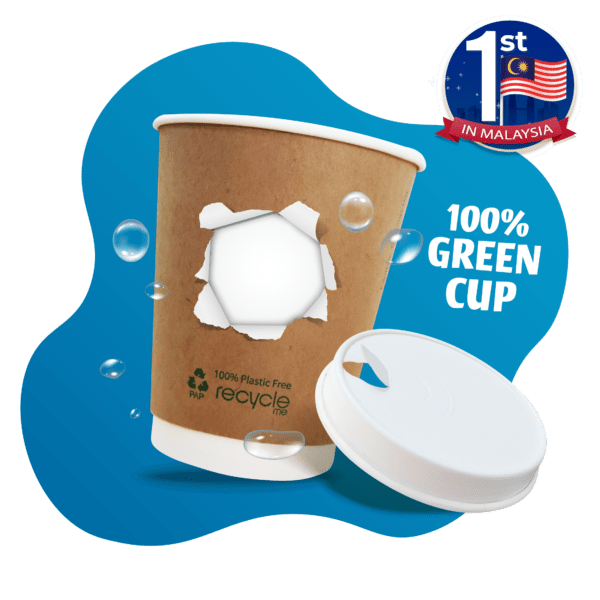
Standard paper cups have a thin plastic lining; eco alternatives replace it. A water-based coated cup is plastic-free and genuinely compostable, and a PLA-lined or clear PLA cup uses a plant-based coating. For cold drinks, a clear PLA cup looks like plastic but is compostable. The material trade-offs are in bagasse, PLA & corn-starch explained.
How many cups to order
Cups always run ahead of headcount because people take a fresh cup each time. As a rough guide, allow 1.5 to 2 cups per guest for a drinks service, more at a tasting where people sample repeatedly, and add a 15–20% buffer. Running out of cups stops service entirely, so err on the generous side — surplus cups store and travel.
Storage and stacking
Cups and lids store easily but take space, so plan for it. Keep them dry and sealed — paper cups absorb moisture and a damp cup softens — and stack by size so service is fast. Store lids separately and clearly, because a box of mixed lids slows a busy counter. Rotate stock so older cups are used first.
Common cup ordering mistakes
- Lids that do not fit. Confirm the rim size, not just the ounce.
- A thin cold cup for coffee. Match hot drinks to hot cups.
- Forgetting sleeves. Single-wall hot cups need them.
- Ordering too few. Cups outrun headcount; add a buffer.
- A plastic-lined "eco" cup. Ask for a water-based or PLA coating.
A quick cup-and-lid cheat sheet
- Tasting / sauce: 1–2oz portion cup.
- Short hot drink: 8oz cup + 80mm sip lid + sleeve.
- Standard hot or cold: 12oz cup + 90mm lid.
- Large iced drink: 16oz cup + 90mm dome lid + straw.
Lids and the environment
The cup is only half the item — the lid matters for waste too. A compostable PLA or paper lid completes a genuinely eco cup, while a plastic lid on a compostable cup undermines the message and the disposal. If you are going eco, match the lid to the cup: a PLA dome lid for a PLA cold cup, a fibre or PLA sip lid for a paper hot cup. Ask your supplier for a compostable lid that fits the rim you have chosen.
Branding cups and sleeves
A plain cup is a missed branding opportunity at almost no extra cost to fix. A printed kraft sleeve adds your logo and heat protection in one, with no large minimum, and is the fastest way to brand a hot drink. For volume, a fully custom-printed cup carries your brand further — see custom-printed cups & packaging for minimums and lead times. Even a die-cut sticker on a plain cup brands it instantly.
Hot, cold and the right cup wall
A small detail decides comfort: how thick the cup wall is. For takeaway coffee held for a while, a double-wall or ripple cup is worth the extra over a single-wall-plus-sleeve, because it insulates better and feels more premium in the hand. For a quick drink consumed on the spot, a single-wall cup is fine and cheaper. Decide by how long the drink stays in the hand, and the wall choice follows.
Cups for different events
- Coffee cart: 8oz and 12oz hot cups, sip lids, sleeves.
- Cold-drinks or smoothie bar: 16oz PLA cups, dome lids, straws.
- Tasting booth: 1–2oz portion cups by the hundred.
- Conference or reception: 8oz cups for a quick hot drink between sessions.
Stock the two or three sizes your event actually needs rather than a full range, and ordering stays simple.
Lead time and reordering
Plain stock cups are usually available quickly; custom-printed cups need artwork time and a minimum order, so plan two to three weeks ahead for branded. Keep a note of the cup model, size and lid that worked, so reordering is identical and fast. Buying a sensible volume at once often lowers the unit cost and means you never run short mid-service.
Two quick decisions, settled
Two choices trip people up most. First, sleeve or no sleeve: only single-wall hot cups need one, while double-wall and ripple cups are comfortable bare. Second, clear cold cups: a clear PLA cup looks exactly like plastic but is compostable, so confirm it is PLA, not standard plastic, if eco matters to you. Settle these two before you order, and the rest of the cup-and-lid decision is straightforward — pick the size for the drink, the lid for the rim, and a coating that matches your eco stance.
Frequently asked questions
How do I know which lid fits? By the rim diameter — commonly 80mm for 8oz and 90mm for 12–16oz. Confirm before ordering.
Can I use one cup for hot and cold? A 12oz single-wall cup handles both for short service; for hot drinks add a sleeve, for iced add a straw lid.
How many cups per guest? Roughly 1.5–2 for a drinks service, more for repeated tasting, plus a 15–20% buffer.
Plan the full kit with the eco food packaging guide, and browse the packaging range.