"Biodegradable" and "compostable" get used as if they mean the same thing, but they do not — and the difference matters both for the environment and for making honest claims to your customers. Choose the wrong word on your packaging and you risk greenwashing; choose the right material and you can back up your eco promise. This guide explains both terms plainly. It is part of our guide to eco-friendly food packaging.
Biodegradable — a weak, vague claim
"Biodegradable" simply means a material will eventually break down by natural processes — but it says nothing about how long that takes or what it leaves behind. Technically, many things are biodegradable over a long enough time, including some plastics that fragment into microplastics. Because there is often no time limit or standard attached, "biodegradable" on its own is a weak, vague claim — and regulators increasingly treat unqualified "biodegradable" labels as misleading. It is not a word to lean on for a credible eco promise.
Compostable — a stronger, defined claim
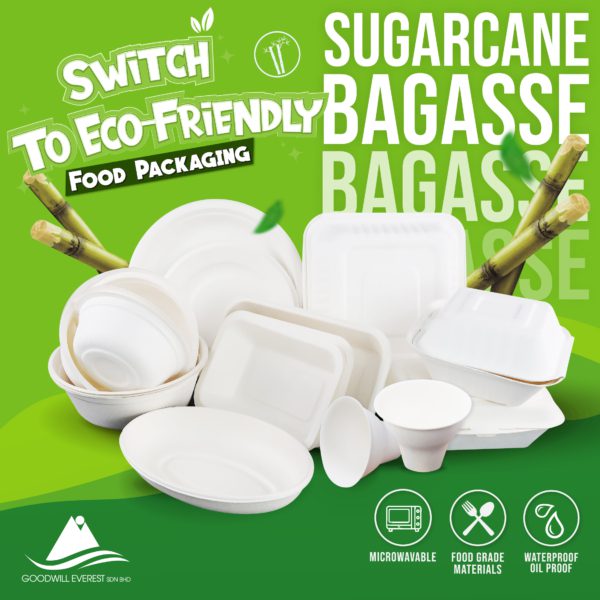
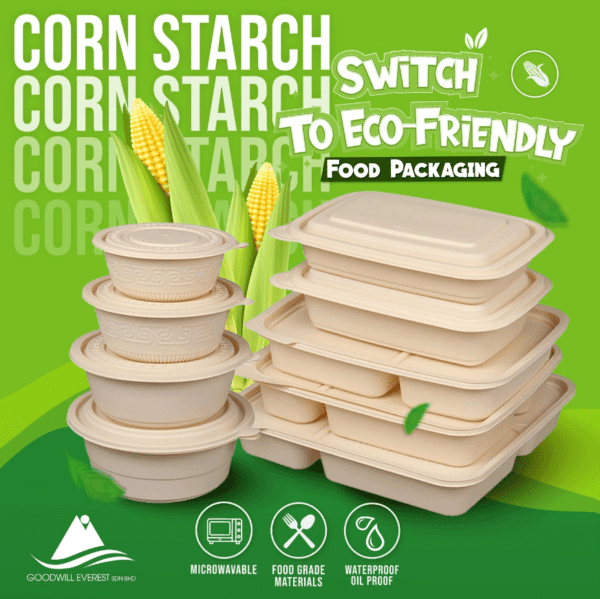
"Compostable" is the stronger, more specific term. A compostable material breaks down within a defined time, into non-toxic components that actually benefit soil (compost), under specified conditions — and it is certified to a standard to prove it. So compostable tells you how it breaks down, how fast, and that it leaves no harmful residue. Bagasse, PLA and certified products like bagasse clamshells and corn-starch cutlery are compostable — a claim you can stand behind.
Industrial vs home composting
There is one more distinction that trips people up:
- Industrially / commercially compostable — breaks down in a commercial composting facility, which reaches higher temperatures. Most PLA and many products need this.
- Home compostable — breaks down in a normal garden compost heap, which is cooler and slower. A smaller set of materials qualifies.
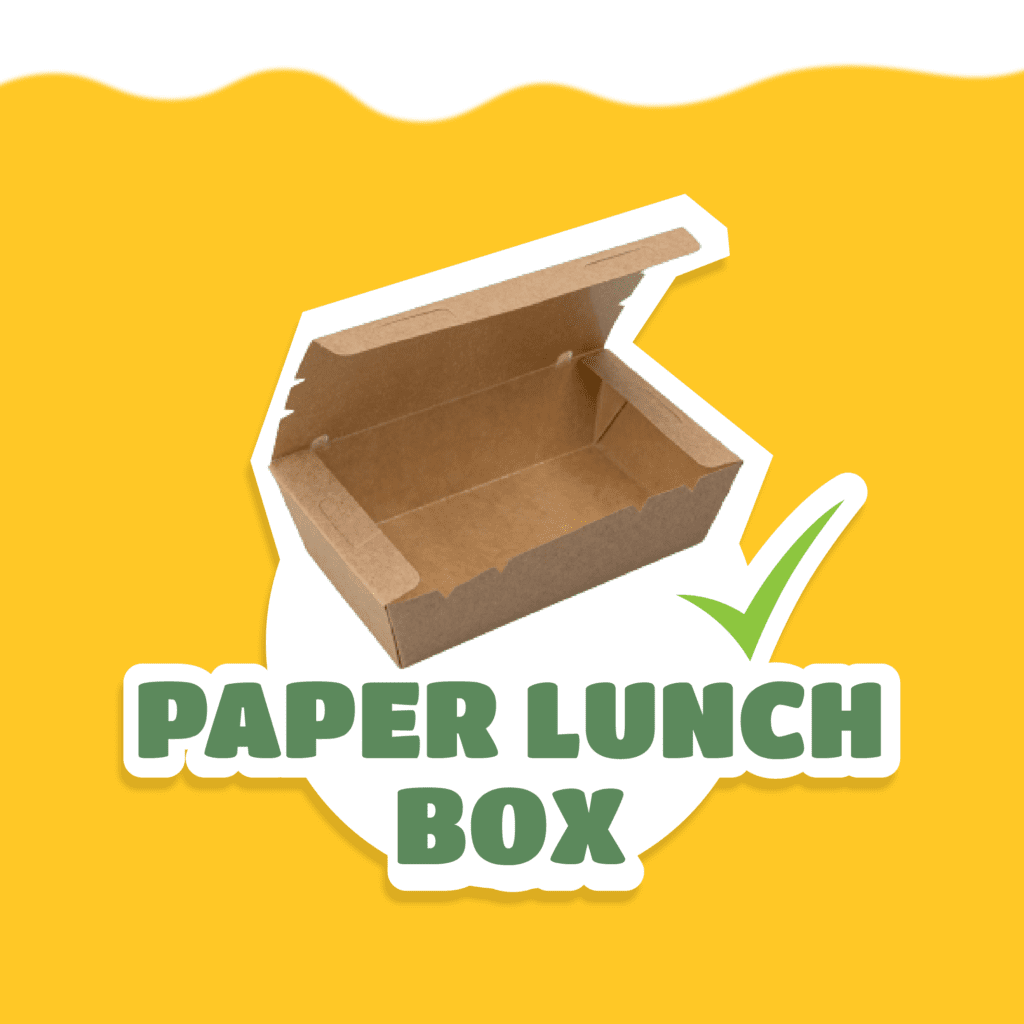
This matters because if your area lacks commercial composting, an industrially-compostable item may not actually compost in practice — so be honest about what disposal it needs. A kraft food box may be both recyclable and compostable depending on its coating.

Why the difference matters for your brand
Customers increasingly check eco claims, and regulators are clamping down on vague ones. Saying "compostable" (and ideally naming the standard or whether it is home or industrial) is honest and defensible; saying "biodegradable" with nothing behind it risks looking like greenwashing. The stronger, specific claim builds more trust — and it is usually true of the bagasse, PLA and paper products you would choose anyway.
How to make an honest claim
- Prefer "compostable" over "biodegradable" — it is specific and certifiable.
- Say which kind — home or industrial/commercial compostable.
- Don't overclaim. If local facilities are limited, be clear about disposal.
- Choose certified materials so the claim is backed.
Get the material right and the honest claim follows. See sustainable packaging branding for telling the story well.
Frequently asked questions
What's the difference between compostable and biodegradable? Biodegradable just means it breaks down eventually, with no time or residue standard; compostable means it breaks down within a defined time into non-toxic compost, to a certified standard. Compostable is the stronger, more honest claim.
Is biodegradable bad? Not necessarily, but the word alone is vague and increasingly seen as misleading. Prefer "compostable" with a standard.
Home or industrial compostable — does it matter? Yes — industrially compostable needs a commercial facility; home compostable breaks down in a garden heap. Tell customers which.
Which packaging is compostable? Bagasse, PLA and certified paper products. Browse the packaging range.