A print on its own is floppy — to use it as a sign, a display, a presentation board or a free-standing piece, it needs mounting: bonding it to a rigid backing and finishing it for display. There are several mounting options, each suited to a different use, durability and budget. This guide explains them plainly so you choose the right one. It is part of our complete posters & mounting guide.

What mounting does
Mounting bonds your print to a rigid board so it stands flat and self-supporting. It turns a poster into a presentation board, a directional sign, a product display or anything that needs to be rigid rather than rolled or pinned. The mounting board you choose decides the weight, durability and where it can live.
Board options
The main mounting choice is the board:
- Foamboard — light, rigid and inexpensive, for indoor displays, POS and presentations. A foamboard mounting; common sizes like A1 foamboard.
- PVC / hollow board — tougher and weather-resistant for semi-outdoor and heavy use; a hollow board.
The full comparison is in foamboard vs PVC board: foamboard for light indoor display, PVC board when it must survive weather or handling.
Lamination
A laminate is a clear protective layer over the print, often applied before or with mounting. It adds:
- Scratch and scuff resistance for handled boards.
- A wipe-clean surface for signs and menus.
- A matte or gloss finish (see matte vs gloss).
For a board that will be touched, walked past or used repeatedly, lamination keeps it looking new. For a one-off indoor display, it is optional.
Framing
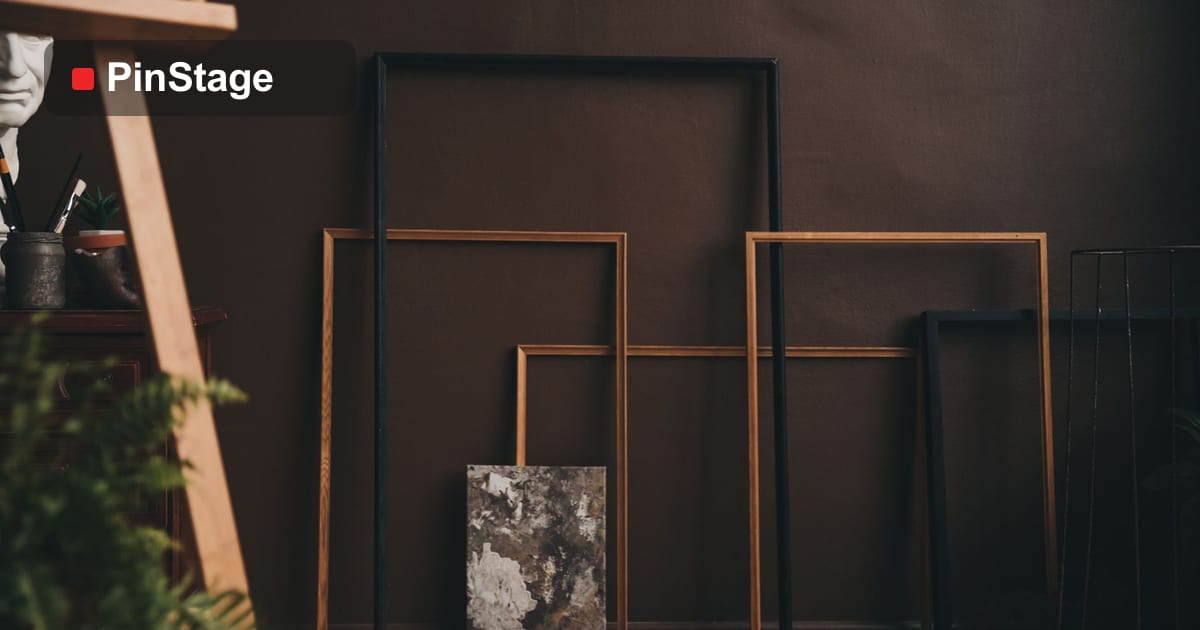
For a premium, finished look — a feature print, a piece of decor, a reception display — a frame turns a mounted print into a polished object. Framing suits permanent, decorative or client-facing displays where appearance matters most; for a temporary sign, a plain mounted board is simpler and cheaper.
Stands and easels
A mounted board needs a way to stand:
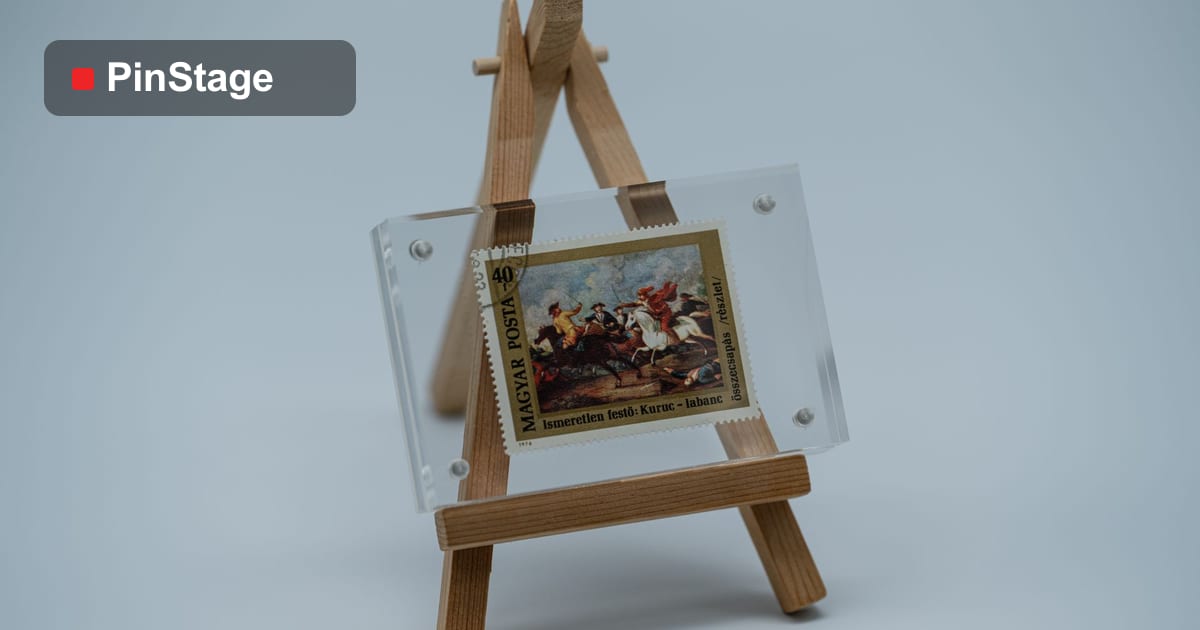
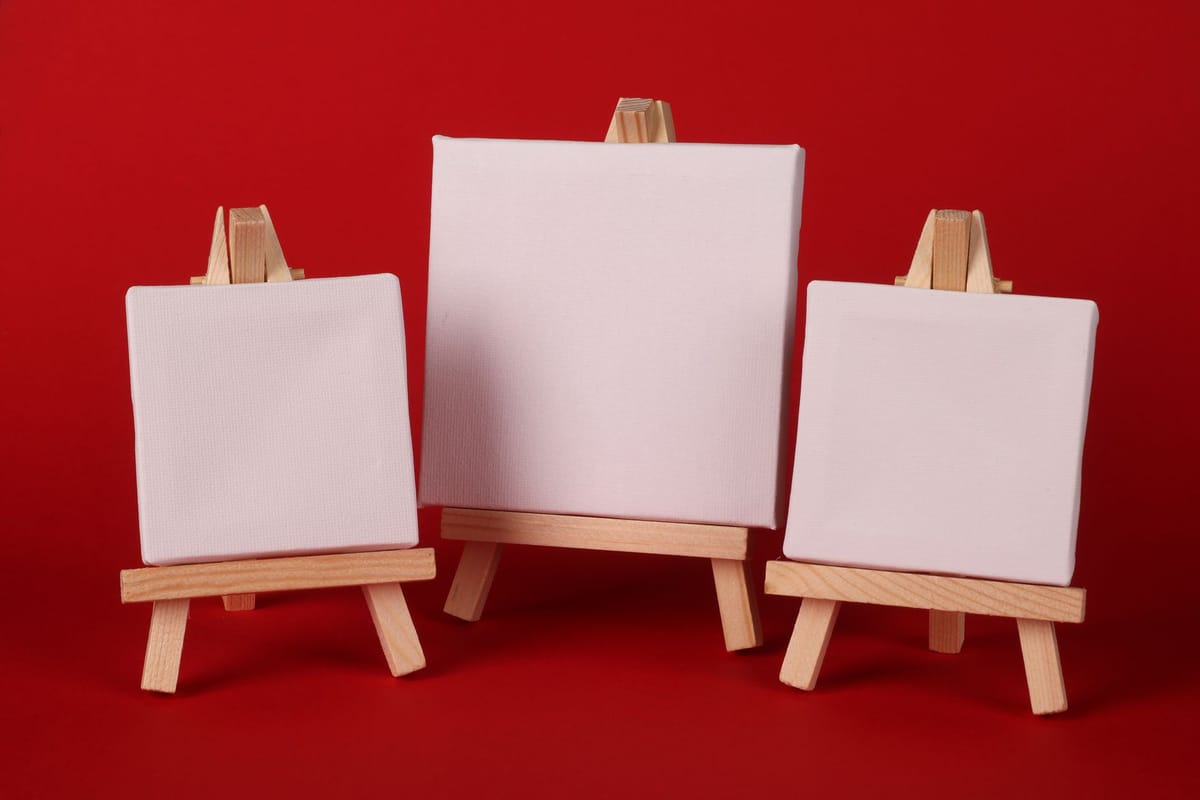
- Easels and stands — turn a board into a free-standing display for events, receptions and POS.
- Wall mounting — hang the board flat against a wall.
- Strut backs — a folding support on the back so a board stands on a counter.
Choose based on whether the display is free-standing, on a counter or on a wall.
How to choose your mounting
- Indoor, light, budget → foamboard.
- Semi-outdoor or heavy use → PVC / hollow board.
- Handled or long-lasting → add a laminate.
- Premium / decorative → frame it (or use canvas).
- Free-standing → add an easel, stand or strut back.
Tell us how the print will be displayed and we will recommend the mounting. Browse the mounting range.
Frequently asked questions
What is print mounting? Bonding a print to a rigid board (foamboard or PVC) so it stands flat and self-supporting, for use as a sign, display or presentation board.
Which mounting board should I use? Foamboard for light, indoor display on a budget; PVC/hollow board for semi-outdoor or heavy, repeated use. See foamboard vs PVC board.
Do I need lamination? For a board that is handled, walked past or used repeatedly, yes — it keeps the surface clean and scratch-resistant. For a one-off indoor display, it is optional.
How do I make a mounted board stand up? Add an easel or stand for free-standing display, a strut back for a counter, or wall-mount it. See the mounting range.