A photo wall (or "step-and-repeat" backdrop) is one of the highest-return pieces at any event — because every guest who poses in front of it and shares the photo is advertising your brand for free. Done well, a photo wall turns an event into hundreds of branded images across social media; done badly, it is a wrinkled sheet with the logo blocked by whoever stands in front. This guide covers designing and building one. It is part of our complete posters & mounting guide and banner backdrop guide.
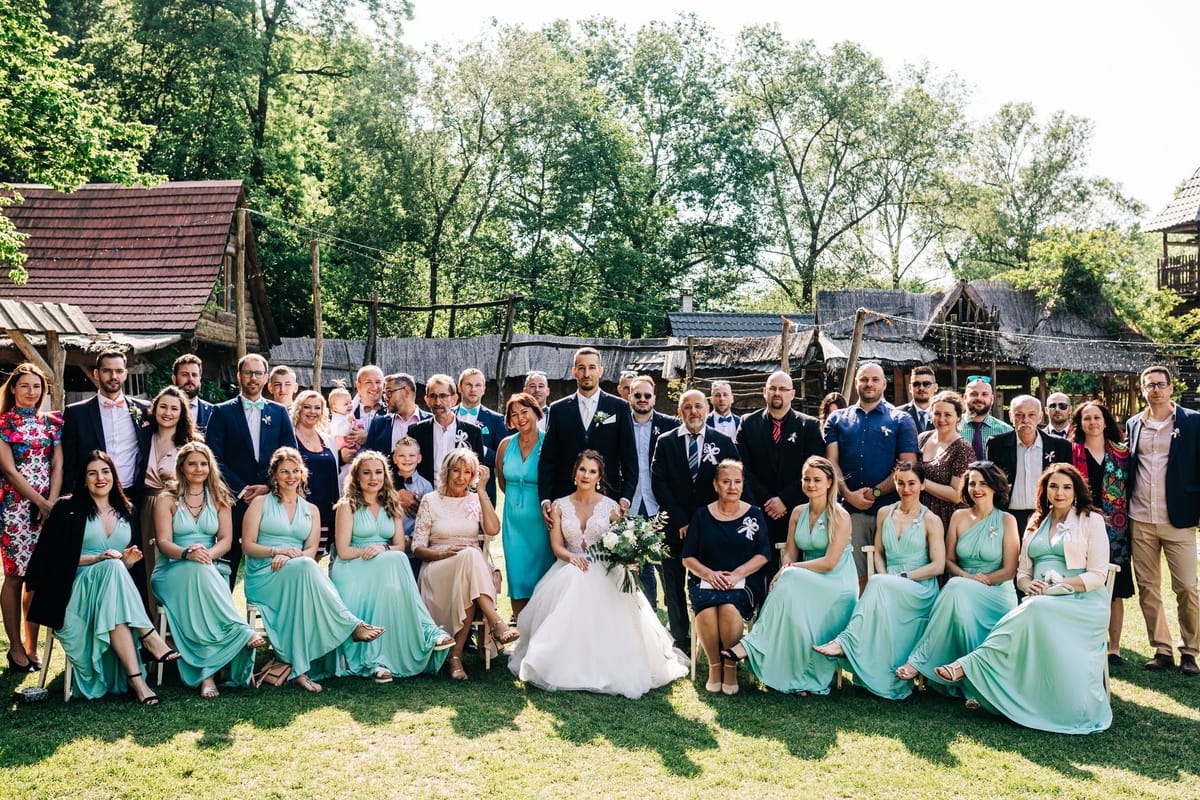
Why a photo wall works
A photo wall earns its place because of the camera. Guests pose in front of it, take photos, and share them — and your branding goes with every share. It is word-of-mouth advertising you design once and that keeps working long after the event. The key is making sure your brand actually appears in the photo, which is where step-and-repeat comes in.
Step-and-repeat: the core idea
"Step-and-repeat" means your logo (or logos) tiled in a regular grid across the whole backdrop. The reason is simple: a single central logo gets blocked by whoever stands in front of it, but a repeated pattern means your brand appears around the person in every shot, no matter where they stand. Design tips:
- Repeat the logo on a grid sized so several appear behind a standing guest.
- Keep contrast gentle — a busy, high-contrast pattern competes with faces; a tonal repeat reads as branded without distracting.
- Mind the standing zone — at head height, logos will be partly covered, so the grid spacing matters.
Size it for the shot
A photo wall must fill the camera frame behind one or two people:
- Around 2.4 m wide × 2.4 m tall is the standard for a photo/press wall — big enough for guests to stand in front with branding around them.
- Wider for group photos or red-carpet style lines.
Too small and a guest's head clears the top, putting the ceiling in shot — the classic mistake.

Material and frame
How you build it decides how it looks on camera:
- Fabric backdrop — matte and wrinkle-free under lights, the premium choice; a fabric backdrop on a tension frame is the cleanest photo-wall look.
- PVC banner — a cheaper option for casual events; a PVC banner backdrop, though it can glare under flash.
- Rigid panels — foamboard for a smaller, fixed photo board.
A taut, matte backdrop photographs cleanly; a wrinkled or glossy one throws reflections. For repeat events, a reusable fabric backdrop on a frame is the best value.
Lighting and placement
- Light it evenly — a well-lit photo wall photographs far better; avoid a single harsh light that causes glare.
- Place it where there's room to stand back and take the photo.
- Add your handle subtly so shared photos credit you.
Frequently asked questions
What is a step-and-repeat backdrop? A backdrop with your logo tiled in a repeating grid, so your brand appears in photos no matter where a guest stands in front of it.
What size should a photo wall be? Around 2.4 × 2.4 m is standard for a photo/press wall — big enough for guests to stand in front with branding filling the frame; wider for group shots.
Fabric or PVC for a photo wall? Fabric — it is matte and wrinkle-free under lights, so it photographs cleanly. PVC is cheaper but can glare under flash.
How do I make my event get shared? A well-designed, well-lit step-and-repeat photo wall with your handle on it turns every guest's photo into branded reach. See the backdrop range.