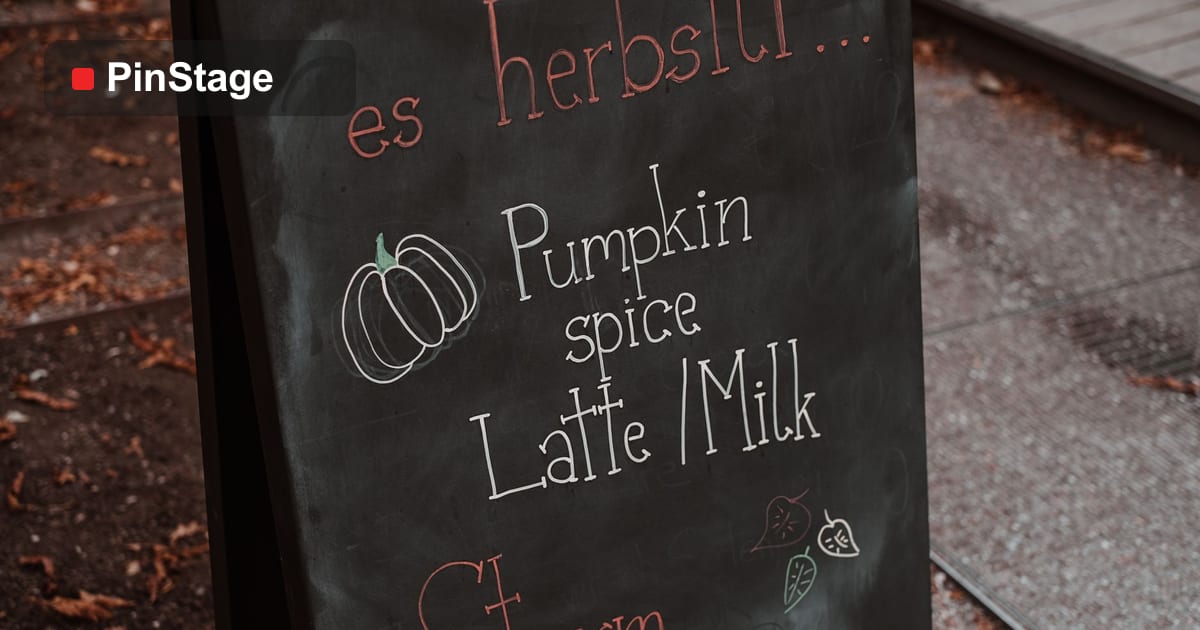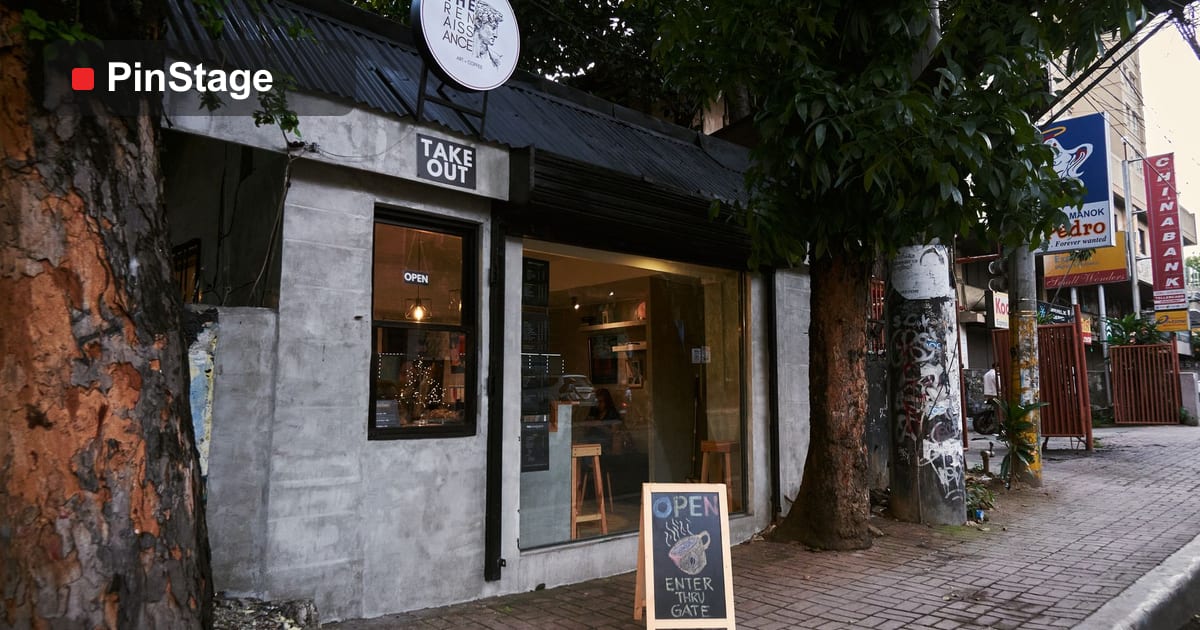
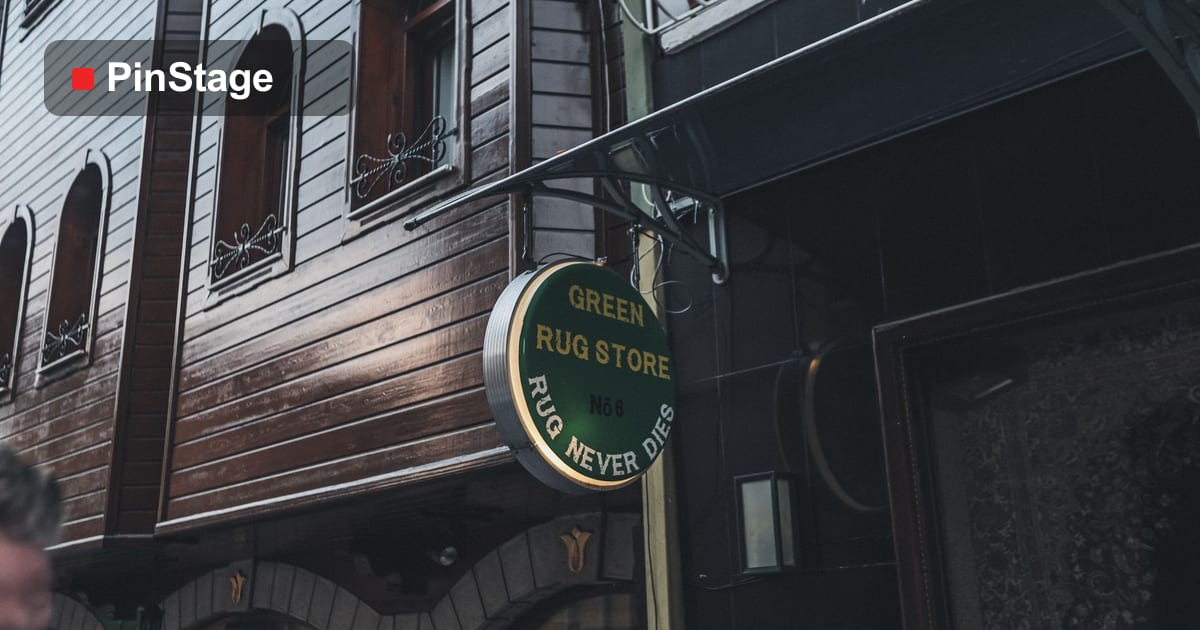
A sign that looks perfect indoors can fade, warp or peel within weeks if you put it outside — and an outdoor-grade sign can be overkill (and overpriced) for an interior. Indoor and outdoor signs face completely different lives: one deals with foot traffic and lighting, the other with sun, rain and heat. Choosing the right material for each is what makes a sign last. This guide shows how. It is part of our retail & event signage guide.
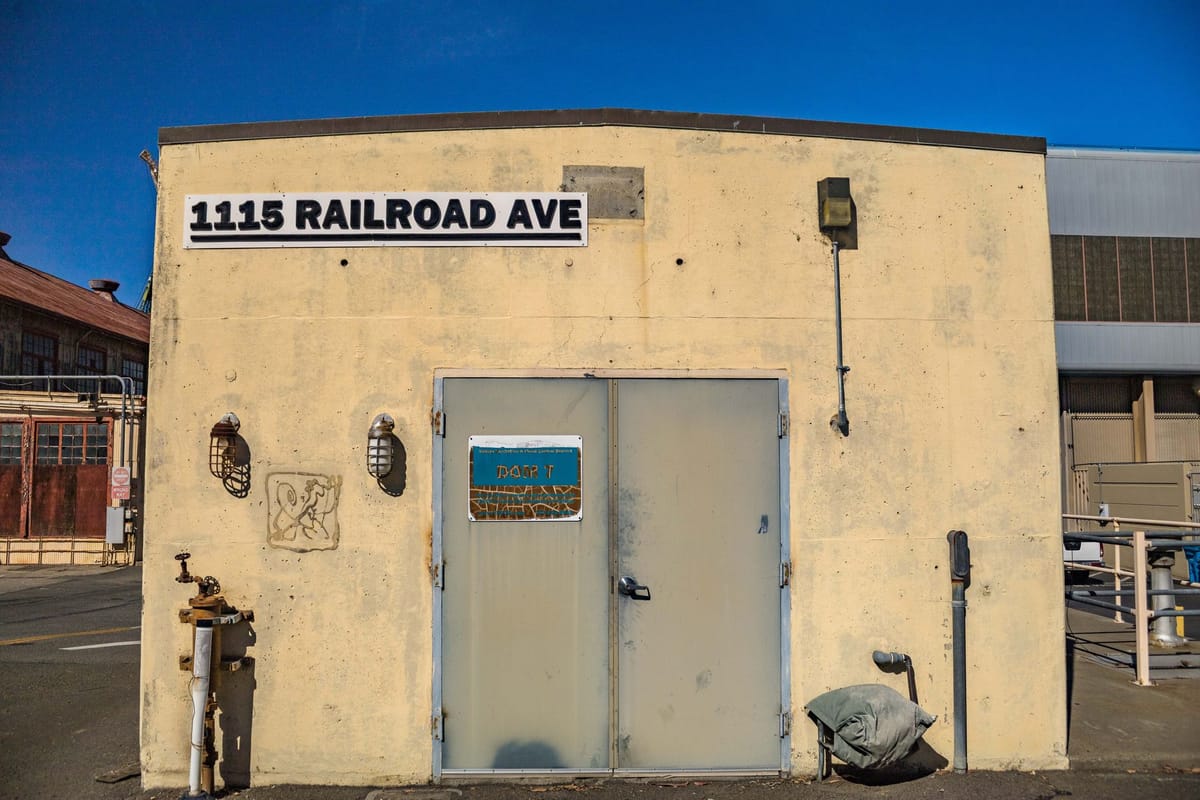
The core difference: the environment
The single thing that separates indoor and outdoor signage is exposure:
- Indoor signs deal with handling, lighting and cleaning, but not weather. They can use lighter materials and standard inks, and the priority is looks and readability.
- Outdoor signs face sun (UV fade), rain, heat and wind. They need weatherproof materials, UV-stable inks and a protective laminate, and the priority is durability plus readability.
Get the environment right and everything else follows.
Indoor signage: materials and priorities
Indoors, you have more freedom. Common choices:
- Foamboard — light, rigid and inexpensive for posters, directional and display signs. A foamboard sign is the indoor workhorse.
- Posters and prints — for promotions and information, easily updated.
- Vinyl stickers — window and wall graphics for branding and wayfinding.
Because there is no weather, you can prioritise a premium finish, easy updating and cost. Matte finishes read well under indoor lighting (see matte vs gloss).
Outdoor signage: materials and priorities
Outdoors, durability leads. The essentials:
- Weatherproof materials — UV-stable PVC, sturdy board, or a PVC banner for temporary outdoor signage.
- A UV laminate — the single biggest factor in how long colour lasts in the sun; without it, outdoor prints fade in weeks in Malaysia's climate.
- Secure mounting and wind resistance — hems, eyelets, reinforced corners and weighted bases for free-standing signs.
A sign built for outdoors costs a little more but survives years where an indoor sign would fail in a month.
Quick comparison
| Indoor | Outdoor | |
|---|---|---|
| Main threat | Handling, lighting | Sun, rain, wind, heat |
| Materials | Foamboard, poster, vinyl | UV PVC, weatherproof board, banners |
| Laminate | Optional | Essential (UV) |
| Priority | Looks, easy updates, cost | Durability + readability |
How to choose, fast
- Where will it live — inside or outside? This decides everything.
- Indoors → foamboard, posters or vinyl; choose for looks and easy updating.
- Outdoors → weatherproof material + UV laminate + secure mounting.
- Both (e.g. a window sign seen from outside) → treat the sun-facing side as outdoor.
- Temporary outdoor → a PVC banner is fine; long-term outdoor → invest in UV-grade material and lamination.
Tell us where a sign will live and we will recommend the right build. Browse the signage range and read designing effective signage.
Frequently asked questions
Can I use an indoor sign outdoors? Not for long — without weatherproof material and a UV laminate, indoor signs fade, warp or peel within weeks outdoors, especially in Malaysian sun.
What makes a sign weatherproof? UV-stable material plus a UV laminate, and secure, wind-resistant mounting. The laminate is the biggest factor in colour lasting outdoors.
What's the cheapest indoor sign? Foamboard for rigid signs and posters for updatable information — light, inexpensive and easy to change.
Do outdoor signs need a laminate? Yes — a UV laminate is essential for outdoor colour to last; without it, prints fade fast in the sun. See the signage range.