"Sticker" covers a dozen different products, and the wrong one peels, bubbles or blocks a view it should not. Choosing well means matching the surface, the adhesive and the finish to the job. This guide sorts out window, floor, wall and vehicle stickers, and sits under our retail & event signage guide.
Window stickers
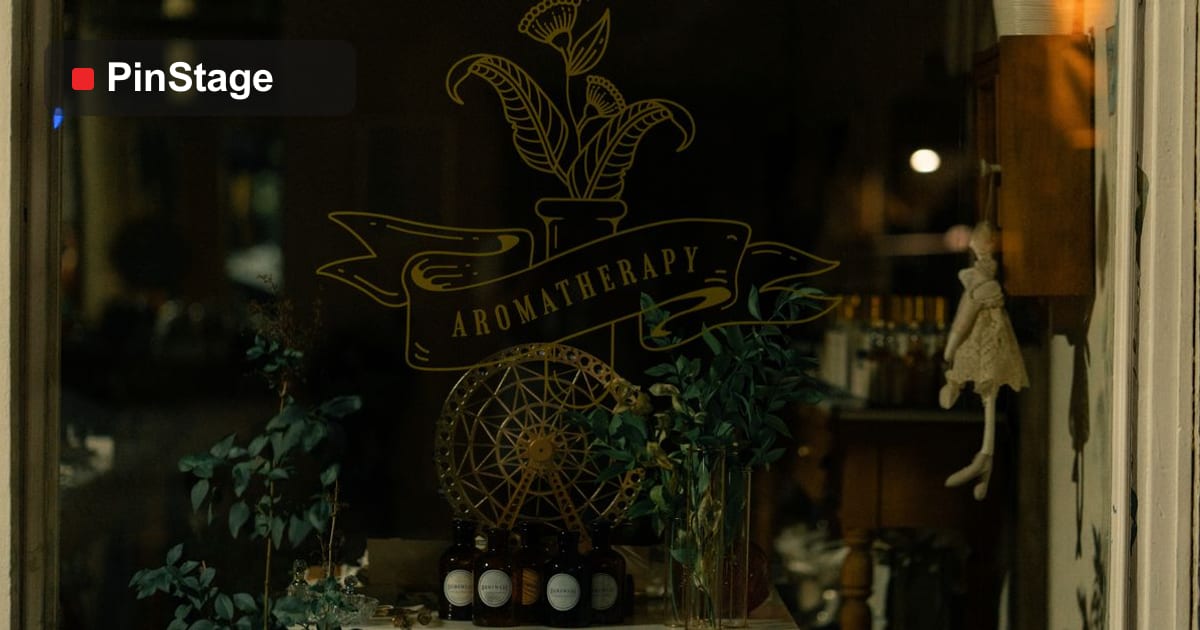
The default for glass is a vinyl sticker, applied to the inside or outside of the window. Inside application is protected from weather and tampering; outside application suits a sticker that needs to face a covered walkway. Window stickers brand a storefront, show opening hours, or run a promotion, and they lift cleanly if you choose a removable adhesive.
One-way vision film
For a full-glass graphic that customers can still see through, one-way vision uses a perforated film: a solid printed image faces outward, while the small holes let people see out from inside. It is the right choice for big, bold storefront branding that does not black out the window or trap staff and customers behind an opaque panel.
Frosted and privacy film
For privacy or a premium etched-glass look, a frosted sticker diffuses light without going fully opaque. It suits lower window panels, meeting-room glass, and logos that look upmarket in a frosted finish. Frosting is as much a design choice as a privacy one — it reads as clean and high-end on a storefront or office.
Floor stickers and decals
Floor decals need an anti-slip laminate to be safe and to survive footfall. Used for directional arrows, distancing markers and promotions underfoot, they brand a high-traffic surface most businesses ignore. A floor sticker is also a cheap, temporary way to guide visitors at an event — to a demo, a sampling station, or an entrance.
Wall stickers and murals
A wall sticker turns a blank wall into branding, a feature graphic, or a full mural. Choose a removable adhesive for short-term promotions so it lifts cleanly, or a permanent one for a long-term fit-out. Large wall graphics can be supplied in panels for easier application — a wall mural is one of the highest-impact, lowest-cost ways to brand an interior.
Vehicle and curved-surface stickers
A vehicle is a moving billboard, and vehicle graphics need a conformable cast vinyl that stretches over curves and door seams without lifting. The same applies to any curved surface — a cup, a helmet, a rounded sign. For curves, the material matters more than the print: a rigid vinyl on a curved surface lifts at the edges, while a cast vinyl moulds to it.
Surface and adhesive matter
The most common sticker failures come from a mismatch between adhesive and surface:
- Smooth glass or painted wall: standard permanent vinyl.
- Textured or temporary: removable adhesive, or it will not lift cleanly.
- Floor: anti-slip laminate, always.
- Vehicle or curved: conformable cast vinyl.
Tell your supplier where the sticker is going, and the right adhesive comes with it.
Permanent vs removable
The adhesive decides how the sticker lifts later. A permanent adhesive is for long-term branding you will not move; a removable adhesive lifts cleanly without residue, which is essential for short-term promos, popups and anything on a rented surface. Using a permanent sticker for a temporary promotion is the usual reason a removal job leaves a sticky mess.
Laminates and finishes
A laminate over the print protects it and changes the look. A gloss laminate makes colours pop; a matt laminate cuts glare and reads as premium; an anti-slip laminate is essential for floors. Outdoor and high-touch stickers benefit from a laminate that resists scuffing, UV and cleaning. The finish is a small upgrade that extends the life and lifts the look of a sticker.
Cut to shape: die-cut and contour
Die-cut and contour-cut stickers follow your logo outline instead of sitting on a rectangle. It is a small upgrade that makes branding look custom rather than printed — a logo cut to shape on a window or a product reads as considered, where a logo on a rectangle reads as a label. Supply a clean vector outline for a clean cut.
Application tips
A clean application makes a cheap sticker look professional. Clean the surface thoroughly, work from the centre outward, and use a squeegee to push air to the edges. Bubbles are almost always trapped air, not a faulty sticker — a slow, centre-out application avoids them. For large graphics, a wet application (a little soapy water) gives time to position before it grips.
Removing stickers cleanly
Removal is easy if the adhesive is right. A removable sticker lifts with gentle heat (a hairdryer) and a slow peel, leaving no residue; a permanent one on glass may need a scraper and adhesive remover. Plan for removal when you order — if a sticker is temporary, specify a removable adhesive so taking it down is a two-minute job, not an afternoon.
Common sticker mistakes
- Wrong adhesive. Permanent where you needed removable, or vice versa.
- No anti-slip laminate on a floor. A safety and durability failure.
- Rigid vinyl on a curve. It lifts at the edges; use cast vinyl.
- A blacked-out window. Use one-way vision to keep the view.
- Bubbles from rushing. Work centre-out with a squeegee.
A quick selection guide
- Storefront branding, keep the view: one-way vision.
- Privacy or premium look: frosted film.
- Cut letters, hours, promo on glass: vinyl window sticker.
- Directional or promo underfoot: anti-slip floor sticker.
- Interior feature or mural: wall sticker.
- Vehicle or curved surface: cast vinyl.
Sizing and placement
A sticker only works where the eye lands. On a window, place the key message at eye level and leave clear glass so the shop still looks open; on a wall, size the graphic to the wall rather than dropping a small sticker into a large space; on a floor, put decals at decision points where people choose a direction. Measure the surface and design to fill it sensibly — a sticker too small for its space looks like an afterthought.
Indoor vs outdoor stickers
Indoors, almost any vinyl works and you can prioritise look and finish. Outdoors, the sticker faces sun, rain and cleaning, so choose a UV-stable, weatherproof vinyl with a protective laminate, and confirm the adhesive suits the surface and the conditions. An indoor sticker used outside is one of the most common reasons a graphic fades, lifts or peels within weeks.
Stickers for events vs retail
Events and retail ask different things of a sticker. At an event, stickers are usually short-term — floor arrows, a branded window, a wall graphic that lifts cleanly afterward — so removable adhesive matters most. In retail, stickers are often long-term branding, so durability and a permanent adhesive suit better. Decide the lifespan first, and the adhesive and laminate follow from it.
Ordering and lead time
Plain die-cut and printed stickers are usually quick to produce, which makes them ideal for short-notice branding. Supply a clean vector file for crisp cutting, confirm the surface and whether you need removable or permanent adhesive, and keep the artwork for fast reorders. For a popup or a chain, order a set so every location matches, and note the exact size and finish so repeats are identical.
Gloss, matt and the right finish
The laminate finish changes both the look and the life of a sticker. A gloss finish makes colours pop and suits vibrant branding; a matt finish cuts glare, hides fingerprints and reads as premium; an anti-slip finish is essential on floors. For anything outdoors, touched often, or cleaned regularly, a laminate is worth the small extra, because it resists scuffing, UV and cleaning. Choose the finish by the look you want and how hard a life the sticker will have.
Caring for and cleaning stickers
A sticker lasts longer with a little care. Wipe window and wall graphics gently with a damp cloth, avoid abrasive cleaners and solvents that lift the print, and on floors clean as normal but check the anti-slip laminate stays intact. A laminated sticker survives cleaning and scuffing far better than an unlaminated one. Replace a lifting or faded sticker promptly, because a tatty, peeling graphic reads worse for your brand than no sticker at all.
Frequently asked questions
Inside or outside the glass? Inside is protected from weather and tampering; outside suits covered walkways. Most window stickers go inside.
Will a sticker remove cleanly? Yes, if you order a removable adhesive — essential for short-term promos and popups.
Why does my sticker bubble? Trapped air from a rushed application. Clean the surface and work centre-out with a squeegee.
Gloss or matt finish? Gloss makes colours pop; matt cuts glare and reads as premium. Choose by the look you want and the lighting.
Do I need a laminate? For floors, outdoors and high-touch surfaces, yes; for a short indoor promo, often not.
Brand your storefront with storefront window branding, and browse the sticker range.