For a shop or pop-up, the window is the first thing a passer-by reads — and the cheapest, highest-traffic advertising you own. Used well it pulls people in; used badly it blocks the light and looks closed. This guide covers how to brand a storefront window properly, and sits under our retail & event signage guide.
Lead with one message
A window has about two seconds to work as someone walks past. Put the single most important thing — your name, your offer, "NOW OPEN" — at eye level, big and high-contrast. Detail can wait until they are at the door; the window's job is to make a passer-by decide to come closer, not to explain everything.
Choose the right film
- One-way vision: a full-glass graphic outside, a clear view from inside — ideal for big, bold storefront branding that keeps staff and customers able to see out.
- Frosted film: privacy and a premium etched-glass look, great for lower panels, logos and an upmarket feel.
- Vinyl decals: cut letters, logos and opening hours applied directly to the glass.
Match the film to whether you want a full graphic, privacy, or simple cut lettering.
Do not cover everything
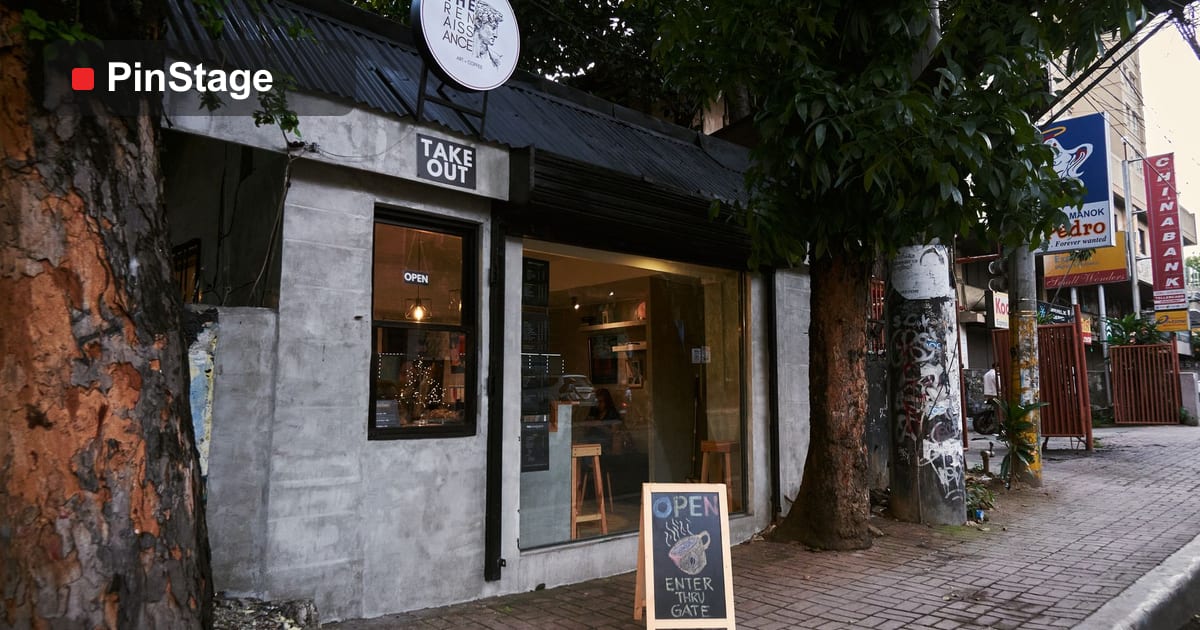
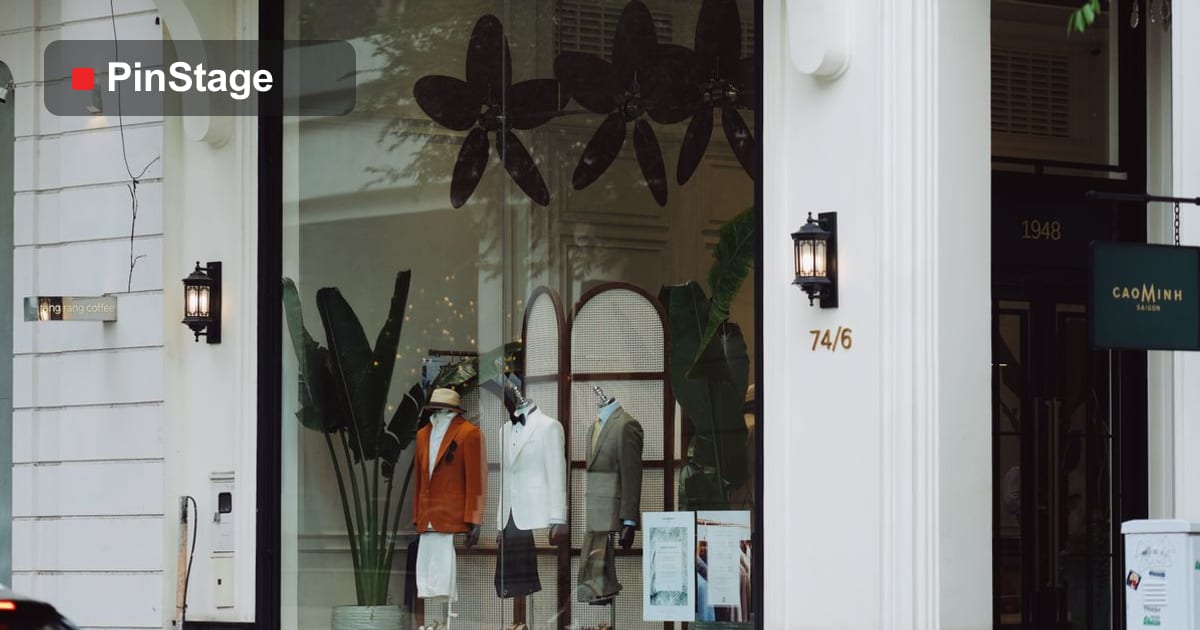
A fully blacked-out window looks closed and uninviting. Leave clear glass so people can see the life inside — frame the view with branding rather than sealing it off. A common, effective ratio is branding around the edges and the lower third, with clear glass at eye level looking into the shop. People are drawn to activity they can see, not a wall.
Carry the brand inside
Continue the look past the glass with a wall sticker or a feature graphic, so the window and interior feel like one space rather than two. A customer who steps in should find the same colours, fonts and message they saw on the window — that continuity makes a small shop feel considered and professional.
Measure before you order
Glass dividers, frames and door handles break a window into panes. Measure each pane and design around the mullions, so your message is not split across a frame bar or lost behind a handle. A window graphic designed as one flat image often lands wrong once it meets the real, divided glass — design to the actual panes.
Inside or outside application
Window film can apply to the inside or the outside of the glass. Inside application is protected from weather, cleaning and tampering, and is the default for most storefronts; outside application suits a covered walkway or where inside access is awkward. For one-way vision, the perforated film usually goes on the outside; confirm with your supplier which side suits your glass.
Lighting your window
A window graphic that looks great by day can disappear at night. If your shop trades after dark, light the window from inside or use a backlit element so the branding still reads. Conversely, avoid a graphic that traps your interior lighting behind an opaque film — one-way vision lets light and life show through, which keeps the window inviting in the evening.
Seasonal and promotional updates
A window is a canvas you can refresh. Use removable decals for seasonal campaigns and promotions so they lift cleanly and the next message goes up without residue — see sticker types for removable adhesives. Keep your core branding permanent and swap a promotional layer, and the window stays current without a full redo each time.
Designing for the glance
Window design follows the same rules as all signage: one clear message, high contrast, big readable type, and enough space to breathe. The full treatment is in designing effective signage. A window crammed with offers reads as noise; a window with one strong message and a clear view inside reads as a place worth entering.
Pop-up and short-term windows
For a pop-up or a short lease, the window still matters — it is how passers-by discover you exist. Use removable one-way vision or decals that brand the glass boldly and lift cleanly at the end, so you get full-storefront impact without a permanent commitment or a messy removal. A strong temporary window turns foot traffic into a pop-up's first customers.
Common window mistakes
- Blacking out the glass. It looks closed; frame the view instead.
- Too much text. Two seconds means one message, not a paragraph.
- Ignoring the panes. Design around dividers and handles.
- A permanent sticker for a promo. Use removable so it lifts cleanly.
- No night plan. Light the window if you trade after dark.
A quick window checklist
- One clear message at eye level.
- The right film — one-way vision, frosted, or decals.
- Clear glass left to show the interior.
- Branding measured to the actual panes.
- Removable adhesive for promotional layers.
Window branding for different shops
The right window depends on the shop. A café or restaurant wants the inside visible and inviting, so lead with name and offer and keep the glass mostly clear; a service business — a salon, a clinic — may want frosted privacy on lower panels with branding above; a retail shop wants product and promotions visible, framed by branding. Start from what you want a passer-by to see and feel, and the balance of branding and clear glass follows.
Combining films and decals
The best windows usually mix techniques. A one-way vision banner across the top for impact, frosted film on the lower panels for privacy, and cut vinyl letters for the name and hours is a common, effective combination. Layering films lets each part of the window do its job — bold branding high, privacy low, information at eye level — rather than asking one film to do everything.
Cleaning and maintaining window graphics
A window graphic faces fingerprints, weather and cleaning, so it needs a little care to stay sharp. Clean it gently with a soft cloth and mild detergent, avoid abrasive cleaners and scrapers that scratch the film, and check the edges for lifting, especially on an outside application. A laminated or quality film survives cleaning far better; replace a peeling or faded graphic promptly, because a tatty window reads worse than a plain one.
Turning the window into a campaign
A window is not a one-off; it is a rolling campaign space. Keep your permanent name and branding, and treat the rest as a layer you refresh for seasons, launches and offers. A shop that updates its window regularly looks alive and gives passers-by a reason to look again; a window that never changes becomes invisible to the people who walk past it every day. Plan a simple calendar of window refreshes and the glass keeps working.
Working with your landlord and rules
Before you brand a rented or shared storefront, check what is allowed. A landlord, a shopping-centre management, or local rules may limit how much of the glass you can cover, what is permitted outside, and whether permanent changes are allowed. Confirming first avoids a removal notice later — and a removable film is the safe choice for a rented window you may need to return to clear glass.
A window branding checklist
- One clear message at eye level.
- The right film for the job — vision, frosted, decals.
- Clear glass left to show the interior.
- Measured to the actual panes and rules checked.
- Removable adhesive for promotions and rentals.
First impressions and footfall
A window is the cheapest way to convert the people already walking past your door. Most of a small shop's potential customers never come in simply because nothing outside told them to — a clear, inviting window fixes that. Treat the window as the top of your sales funnel: its one job is to turn a passer-by into someone who steps inside. Everything else — the layout, the staff, the product — only gets a chance once the window has done its work, which is why a strong window often returns more per ringgit than any other piece of signage a shop owns. The lesson is simple: do not let an unbranded or cluttered window quietly turn away the customers who are already at your door. A few square metres of clear, confident glass is some of the most valuable advertising space a small business will ever have, and it is already paid for.
Frequently asked questions
Should I cover the whole window? No — leave clear glass at eye level so the shop looks open; frame the view with branding.
One-way vision or decals? One-way vision for a big full-glass graphic you see through; decals for cut letters, logos and hours.
Will it remove cleanly? Yes, if you order a removable adhesive — essential for promotions and pop-ups.
Inside or outside the glass? Inside is protected from weather and tampering and is the default; outside suits a covered walkway or one-way vision film.
Compare the films in sticker types, and browse the sticker range.