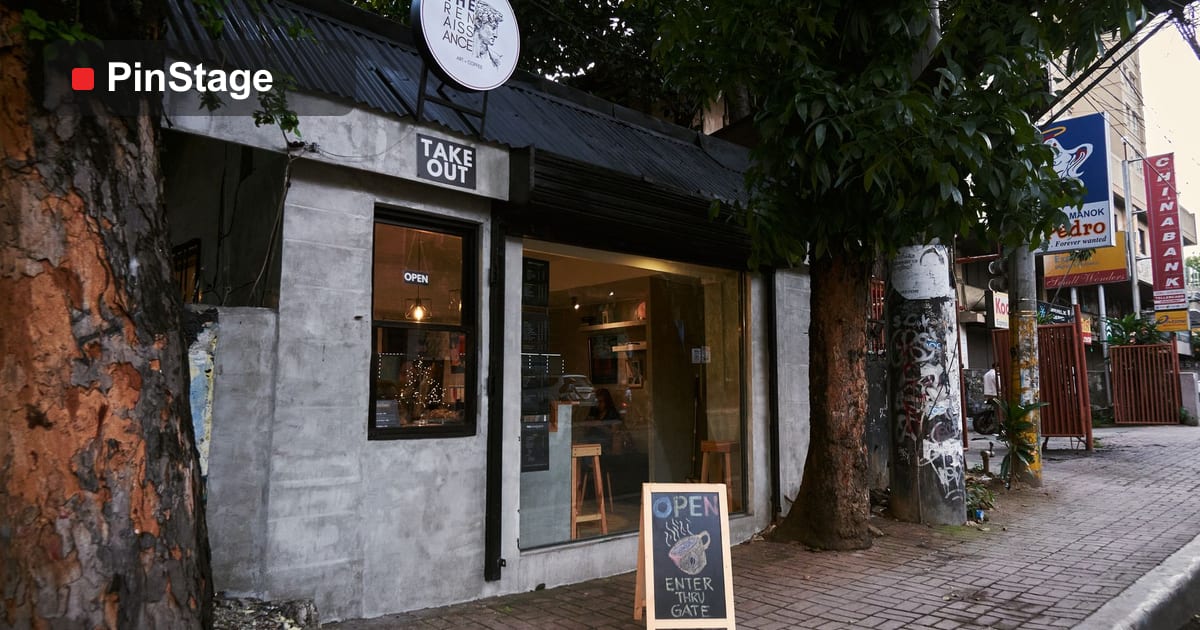
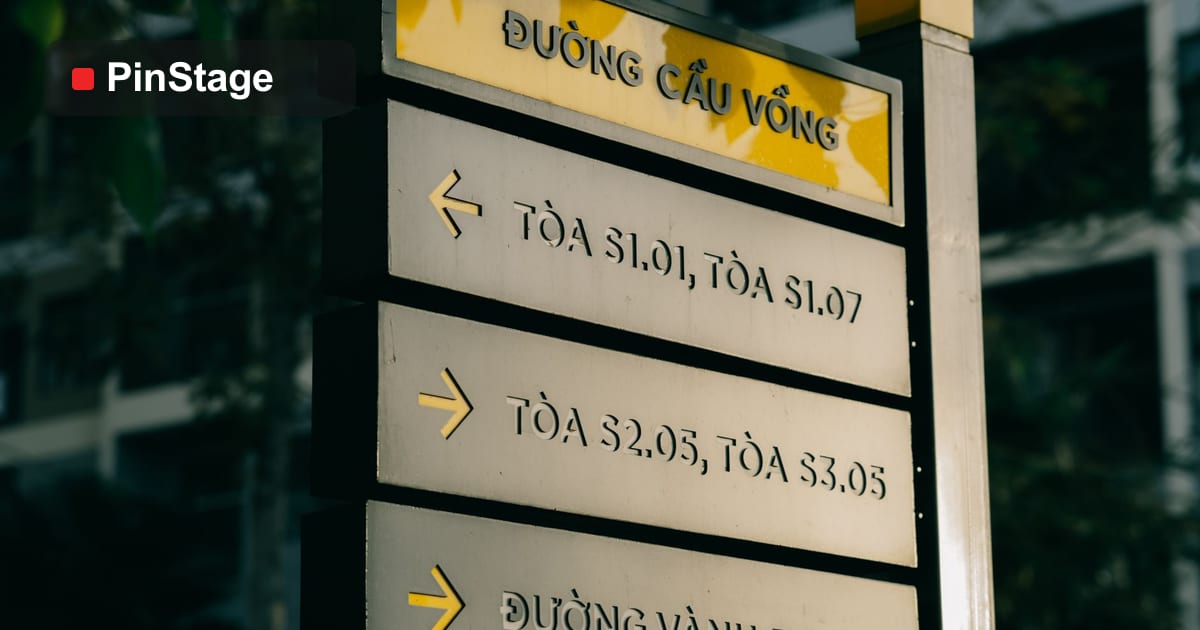
Wayfinding is the art of helping people move through a space without getting lost — and when it is done well, nobody notices it. They just arrive at the right place. When it is done badly, you get confused visitors, missed turns and staff answering "where is...?" all day. Good wayfinding is mostly planning, not budget. This guide covers the basics for a shop, office, venue or event. It is part of our retail & event signage guide.
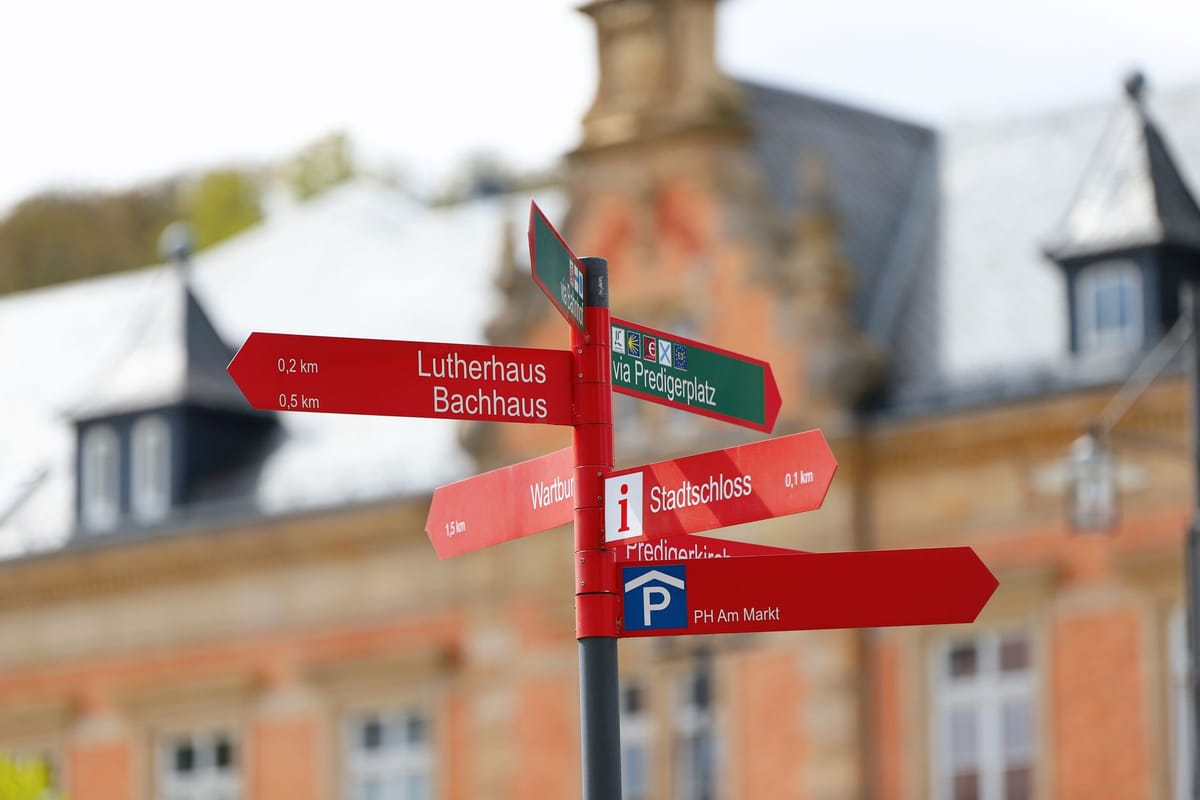
The four types of wayfinding sign
Wayfinding uses four kinds of sign, each with a job:
- Identification — names a place ("Reception", "Hall A"), so people know they have arrived.
- Directional — arrows that point the way ("Toilets →").
- Orientation — a map or directory that shows the whole layout and "you are here".
- Regulatory — rules and safety ("Staff only", "No entry").
Most spaces need identification and directional signs as a minimum; larger or more complex spaces add orientation maps.
Start by mapping decision points
The core of wayfinding planning: walk the route a visitor takes and mark every point where they have to make a decision — a junction, a fork, a lift lobby, a choice of doors. Each decision point needs a directional sign; each destination needs an identification sign. If you map the decisions, you map the signs. The confusion always happens at an unmarked decision point.
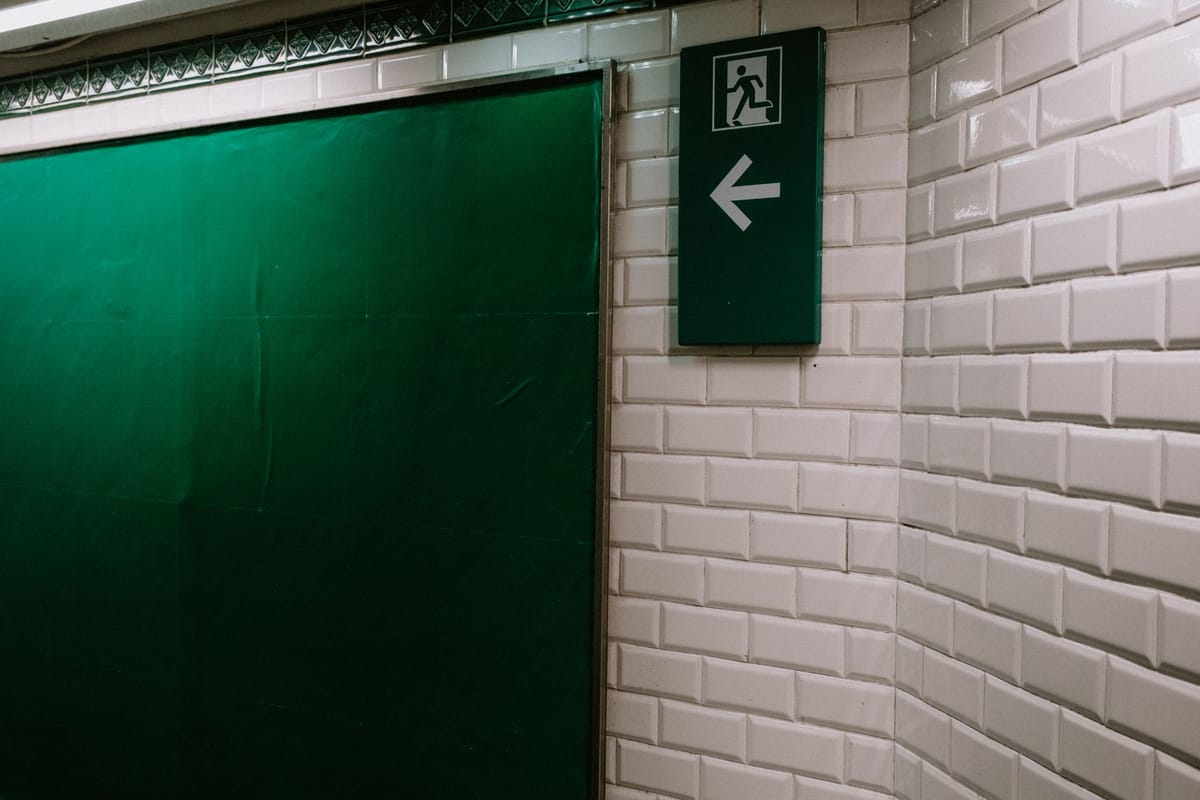
Design for a glance
People read wayfinding signs in motion, so clarity beats everything:
- Big arrows, short labels — "Hall B →", not a sentence.
- One direction per sign where possible — combining too many destinations slows people down.
- Consistent style — same colours, fonts and arrow style throughout, so visitors learn to recognise your signs.
- Logical placement — at eye level or above the crowd, visible before the decision, not after it.
Apply the same clarity rules as designing effective signage.
Materials for wayfinding
- Free-standing signs — an A-frame or floor stand for temporary or flexible directions.
- Mounted signs — a foamboard sign for room names and fixed directions.
- Floor and wall graphics — vinyl stickers for arrows and zone markers where signs would clutter.
Match the material to whether the wayfinding is permanent or temporary, indoor or outdoor.
Keep it consistent and current
Two final rules: be consistent (one visual system, so people trust and follow your signs), and keep it current (an out-of-date sign pointing the wrong way is worse than none). Review your wayfinding when a layout changes. For events, much wayfinding can be reusable — see reusable display tips.
Frequently asked questions
What are the types of wayfinding signs? Identification (names a place), directional (arrows), orientation (maps/directories) and regulatory (rules/safety). Most spaces need identification and directional at minimum.
How do I plan wayfinding signage? Walk the visitor's route and mark every decision point (junctions, forks, doors). Each gets a directional sign; each destination gets an identification sign.
How do I design a wayfinding sign? Big arrows, short labels, one direction per sign, consistent style, placed at eye level and visible before the decision.
What materials work for wayfinding? A-frames and floor stands for flexible directions, foamboard for fixed room signs, and vinyl floor/wall graphics for arrows. See the signage range.