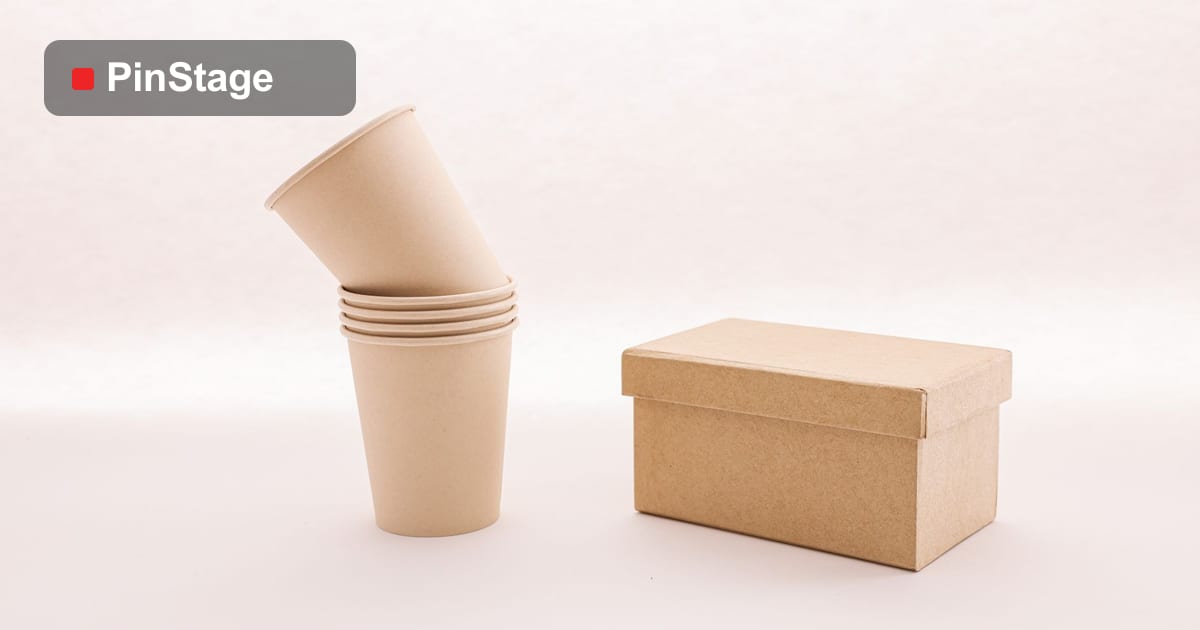
That warm brown, natural look of kraft packaging does something clever: before a customer reads a word, it says "natural", "honest" and often "quality". Kraft is affordable, recyclable and one of the most versatile materials in food and retail packaging — which is why everyone from artisan bakeries to burger joints reaches for it. This guide covers where kraft works, its limits, and how to make it look like your brand. It is part of our guide to eco-friendly food packaging.

Why kraft works
Kraft paper and board are made from wood pulp with minimal bleaching, giving the natural brown colour. Its appeal is three-fold:
- It signals natural and premium — the unbleached look reads as honest and craft, perfect for bakeries, cafés and artisan brands.
- It is affordable and recyclable — strong, light and easy on the budget and the planet.
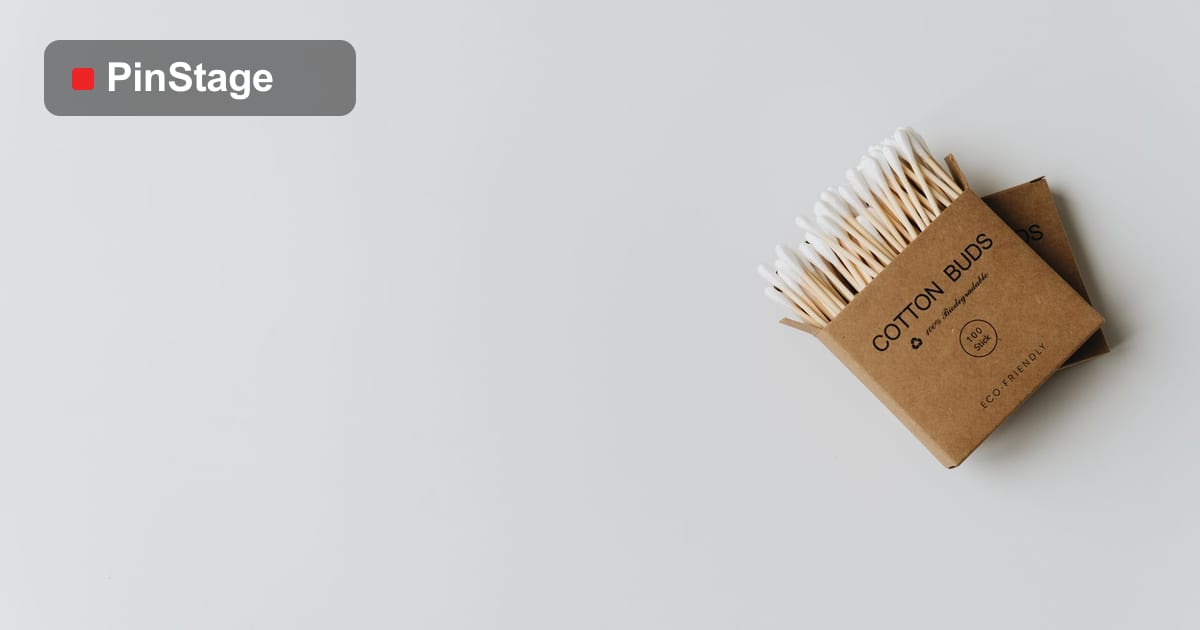
- It is versatile — boxes, bags, sleeves, wraps and trays all come in kraft.
A simple kraft food box or paper bag instantly lifts a takeaway from "plastic and forgettable" to "considered and on-brand".
Where kraft shines
- Bakery and pastry — boxes and bags that suit bread, cakes and pastries.
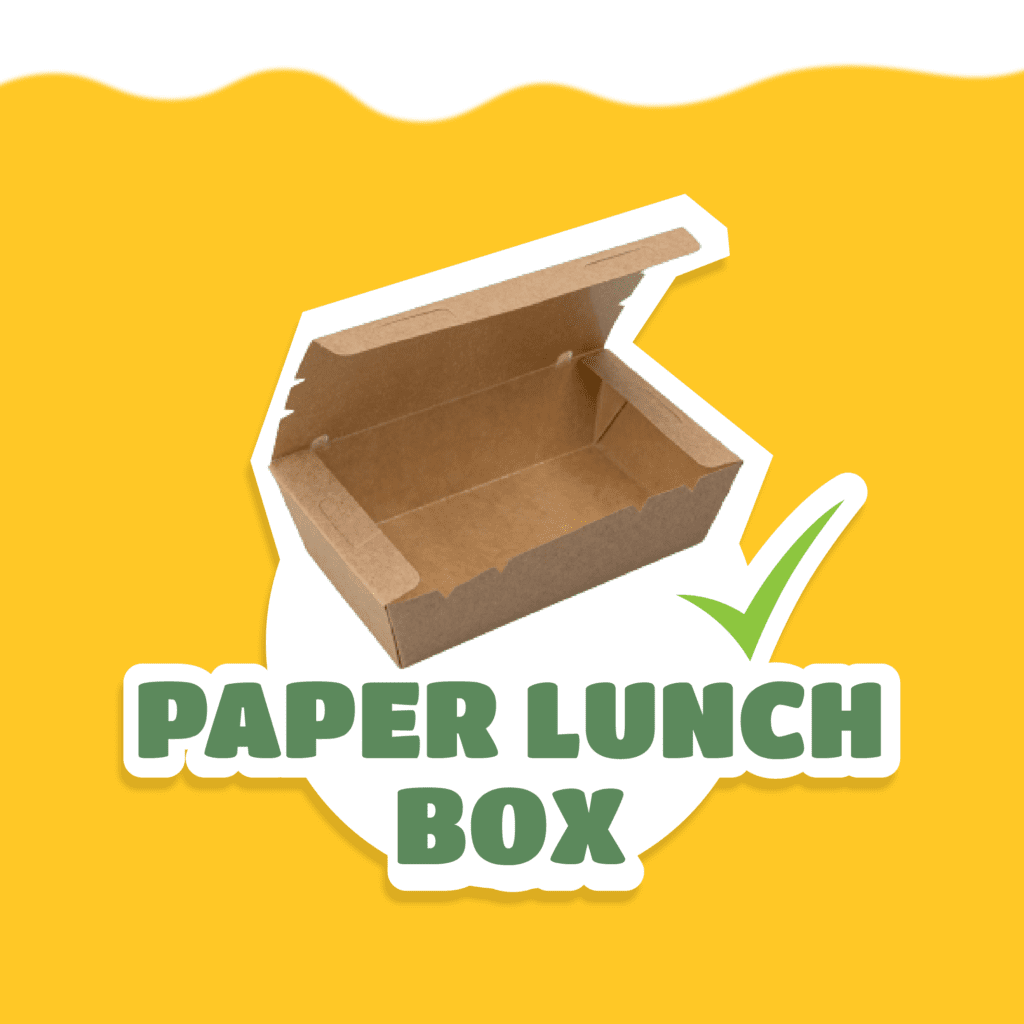
- Burgers and dry mains — a kraft burger box holds height and looks the part.
- Noodles and rice — a kraft noodle box with a fold-top.
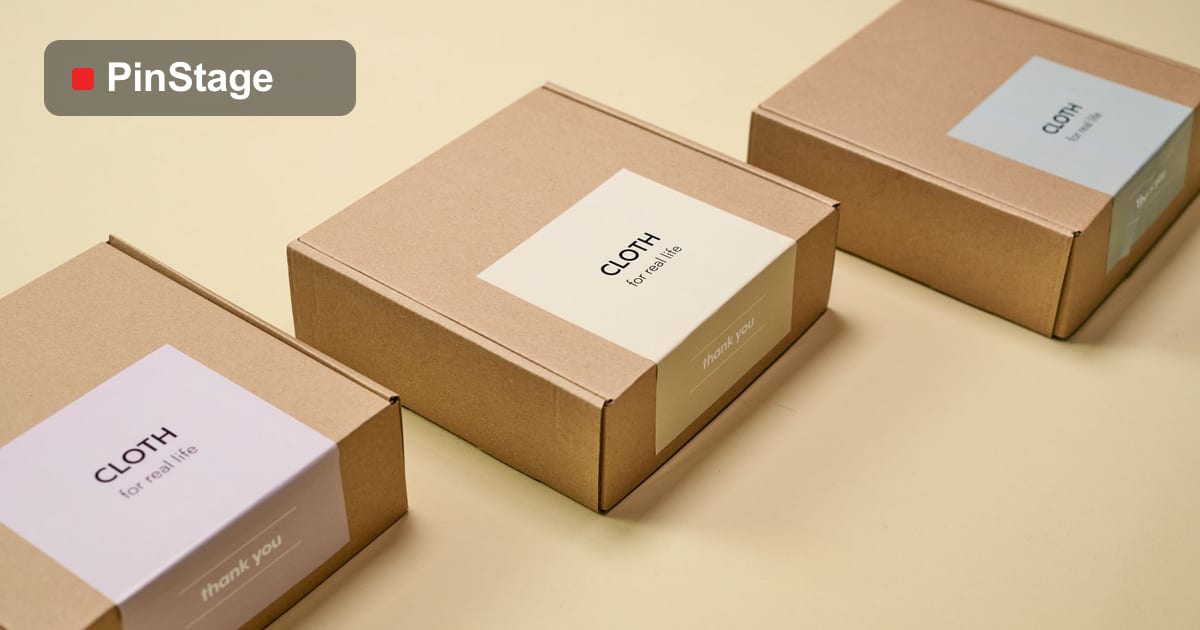
- Retail and gifting — kraft bags and boxes for shops, markets and hampers.
- Anywhere a natural, branded look matters more than a glossy printed one.
Kraft's limits
Kraft is paper, so know its boundaries:
- Not for very wet or oily food without a liner or coating — grease soaks through plain kraft. Pair it with bagasse for saucy dishes, or choose a lined kraft box.
- Not as rigid as moulded fibre for heavy hot meals — match the grade to the weight.
- Printing looks different — colours sit on a brown base, so they look muted and earthy rather than bright. Lean into that look rather than fighting it.
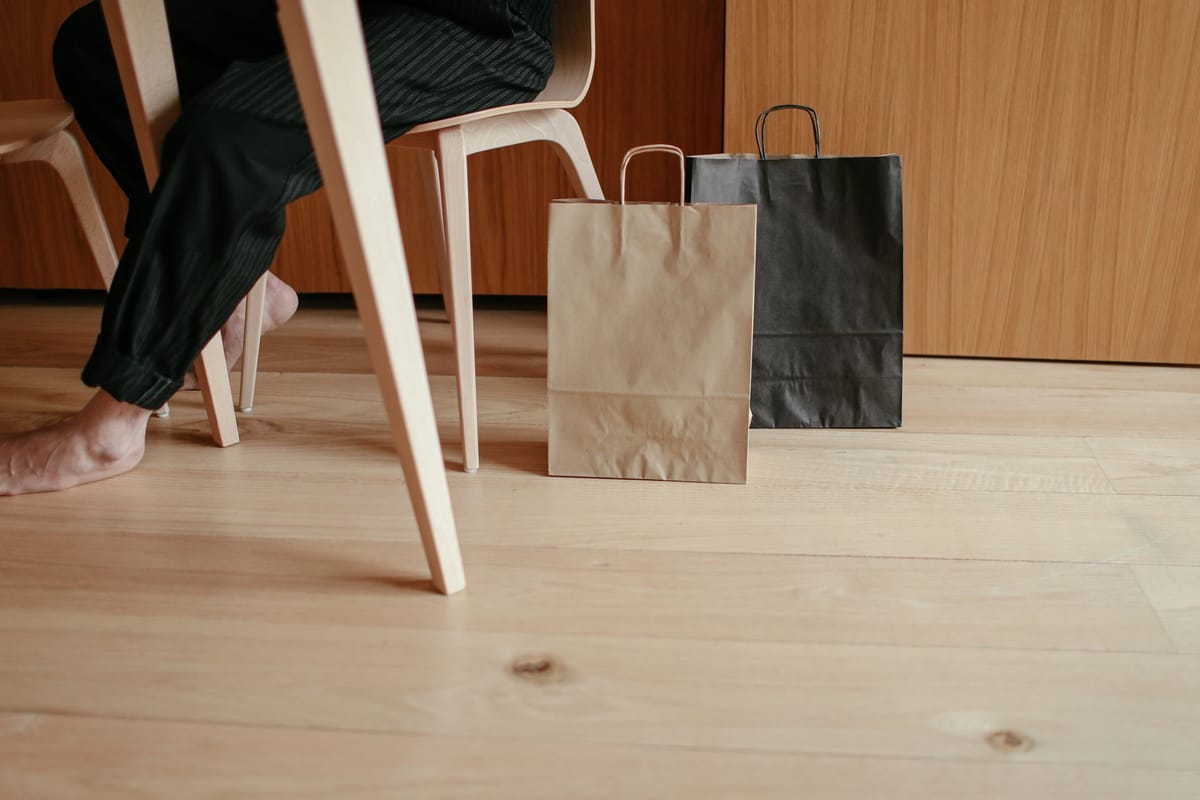
Branding kraft well
Kraft has a signature style, and the best branding works with it:
- One or two colours, not full-colour photos — a stamp, a logo, a simple line drawing reads beautifully on brown. Black, white and a single brand colour are classic.
- Stamps and labels are a cheap, flexible way to brand plain kraft, especially for small batches.
- Remember colours mute on a brown base — design for that earthy palette rather than expecting screen-bright results (see CMYK vs RGB).
- For premium gifting, a custom-printed kraft box turns packaging into part of the product.
Tell the sustainability story alongside the look — see sustainable packaging branding.
Frequently asked questions
Is kraft packaging waterproof? Plain kraft is not — grease and moisture soak through. Use a lined/coated kraft or pair with bagasse for wet or oily food.
Is kraft recyclable? Yes — uncoated kraft is recyclable and often compostable; a plastic lining can change that, so check the coating.
Can I print full colour on kraft? You can, but colours sit on a brown base and look muted and earthy, not bright. One or two colours, stamps and logos work best.
What food suits kraft? Bakery, pastries, burgers, dry mains, retail and gifting. For very wet or oily food, line it or use bagasse. Browse the packaging range.