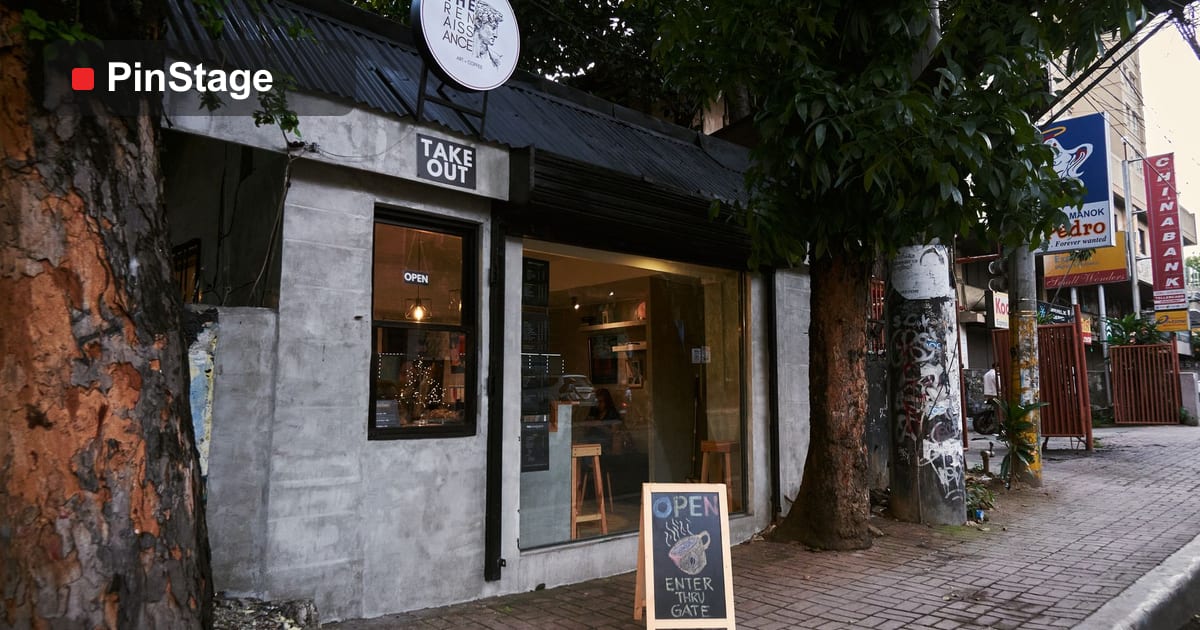
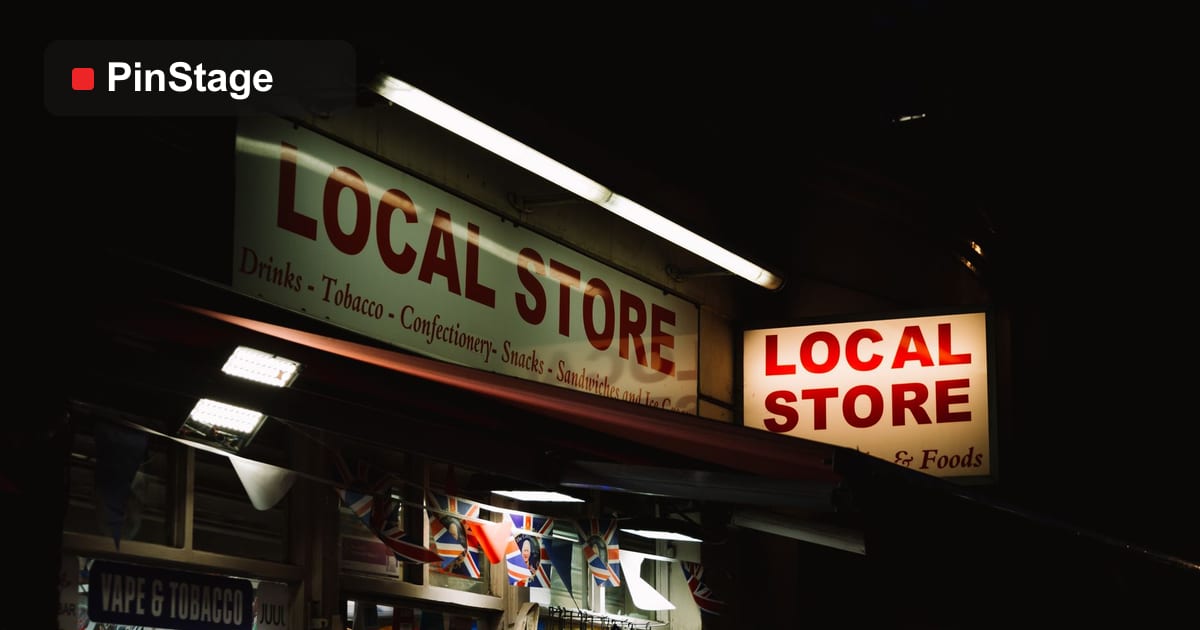
Your shop signboard is the single most important sign your business owns. Before any advertising, before any window display, it is the sign that tells people on the street that you exist and what you are — and a clear, well-placed signboard finds customers every day for years. This practical guide covers choosing, designing and the local considerations for a Malaysian shop. It is part of our retail & event signage guide.
Note: signboard rules (size, language, licensing) vary by local council and change — always check your local authority's current requirements before installing.
What a shop signboard does
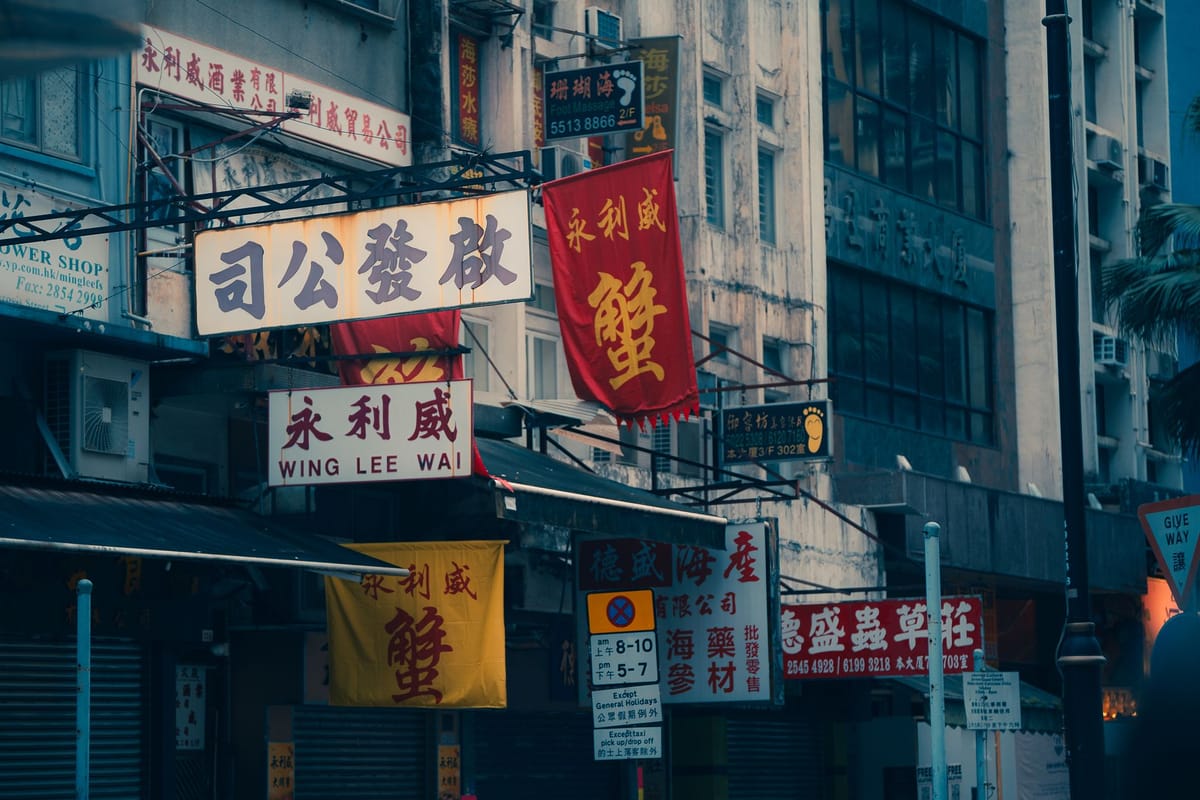
A signboard works at the most basic and valuable moment: when someone is on the street deciding where to go. It must do three things in a glance — say who you are, say what you offer, and be readable from a distance and at speed. A signboard that nails those finds you customers passively, every day, without any ongoing cost. It is the highest-leverage sign a shop can have.
Types of shop signage
A shopfront usually combines a few elements:
- The main fascia signboard — your name above the shop, the primary sign.
- Window graphics — opening hours, offers and branding, often vinyl stickers on the glass.
- Lightboxes — illuminated signs that work after dark, important for evening trade.
- A-frames — a pavement sign to catch passing foot traffic.
- Indoor signage — foamboard and poster signs for inside.
Most shops need a main signboard plus window branding at minimum; the rest depends on your location and trade.
Local rules to check
This is the part owners most often overlook. Malaysian local councils typically regulate shop signboards, and the rules vary by area and change over time. Common considerations include:
- Size and placement limits.
- Language requirements — many councils have rules about language on signboards.
- Licensing / approval — a signboard licence or permit may be required.
Always check your local council's current requirements before you design and install — it is far cheaper than re-doing a non-compliant sign. This guide is practical, not legal advice.
Designing a signboard that reads
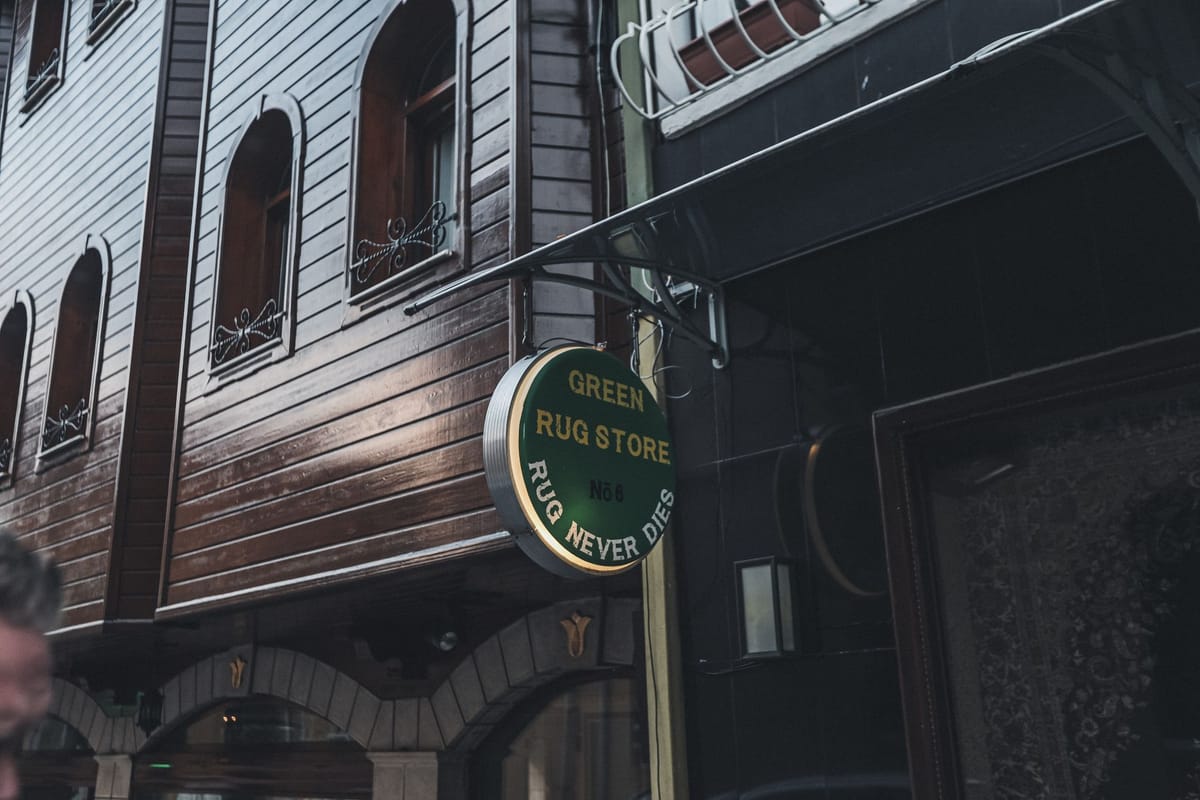
Whatever the rules, a signboard only works if people can read it:
- Big, legible name first — readable from across the street and from a passing car.
- High contrast so it stands out against the building and in glare.
- Keep it simple — your name and what you do; this is not the place for a paragraph.
- Consider night — if you trade in the evening, plan illumination or a lightbox.
- Stay on brand — consistent colours and logo with your other signage and packaging.
Apply the same clarity principles as any effective signage.
Where to start
- Check your local council's signboard rules first.
- Decide your main signboard plus window branding.
- Design for readability from the street, on brand.
- Add a lightbox or A-frame if your trade needs it.
- Order indoor foamboard signs to guide customers once inside.
Frequently asked questions
Do I need a licence for a shop signboard in Malaysia? Often yes — many local councils require a signboard licence or permit, and rules vary by area. Always check your local authority's current requirements before installing.
Are there language rules for signboards? Many Malaysian councils have language requirements for shop signboards. Check your local council, as rules differ by area and change over time.
What makes a good shop signboard? A big, legible name in high contrast, readable from the street and at speed, kept simple and on brand — plus illumination if you trade in the evening.
What signage does a shop need besides the main sign? Window branding, optionally a lightbox and an A-frame, and indoor signs to guide customers. See the retail & event signage guide.