Two stickers print from the same file. One is wiped daily, walked on, and left in the sun — and a year later it still looks new. The other fades, scuffs and peels within months. The difference is almost always the laminate: a thin clear layer applied over the print. This guide explains what lamination does, the finishes available, and when it is non-negotiable. It is part of our custom stickers & decals guide.
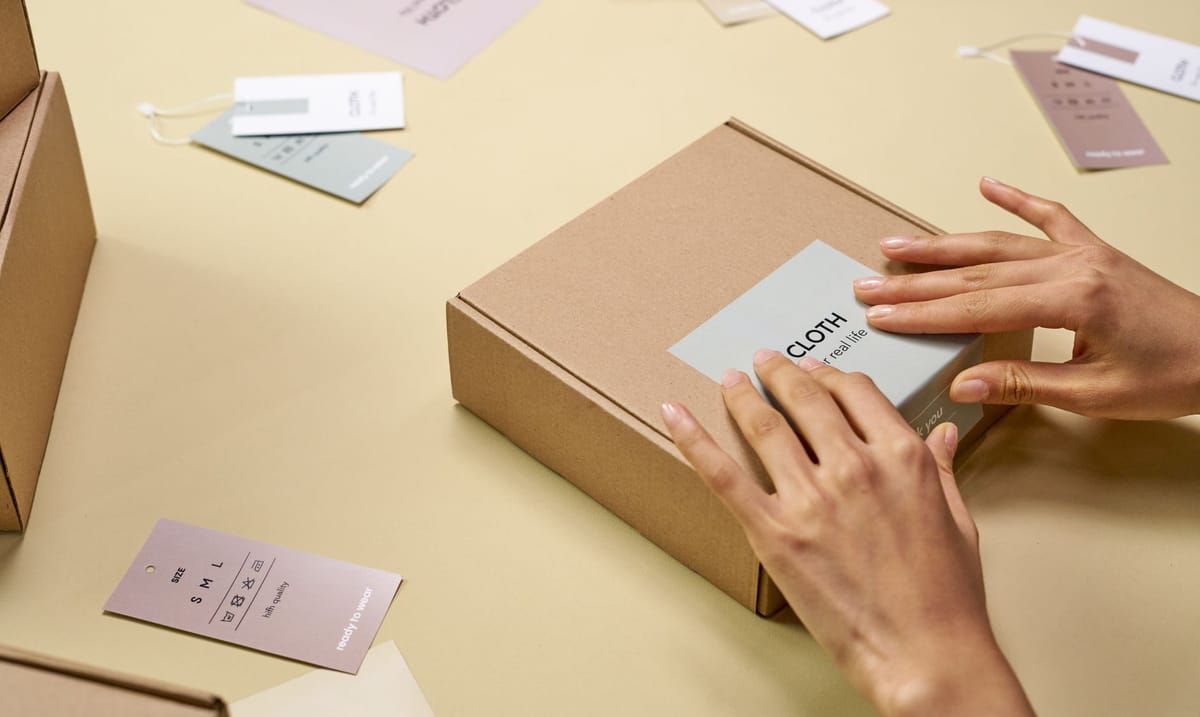
What a laminate actually does
A laminate is a clear film (or liquid coat) bonded over the printed vinyl. It does four jobs at once:
- Scratch & scuff resistance — protects the ink from keys, trolleys, shoes and cleaning.
- UV protection — slows the fading that tropical sun causes within weeks on unprotected ink.
- Water & chemical resistance — lets you wipe, wash and sanitise the surface.
- Finish — sets the look and feel: gloss, matte or textured anti-slip.
Without it, the ink sits exposed on the surface — fine for a short indoor promo, a fast route to failure anywhere harder.
Gloss vs matte vs anti-slip
The three finishes are not just looks — each suits a different job.
| Finish | Look | Best for | Watch out |
|---|---|---|---|
| Gloss | Vivid, shiny | Vehicle decals, outdoor signage, colour-pop labels | Glare under spotlights; shows fingerprints |
| Matte | Soft, premium, no glare | Interiors, packaging, clear stickers | Slightly less colour punch |
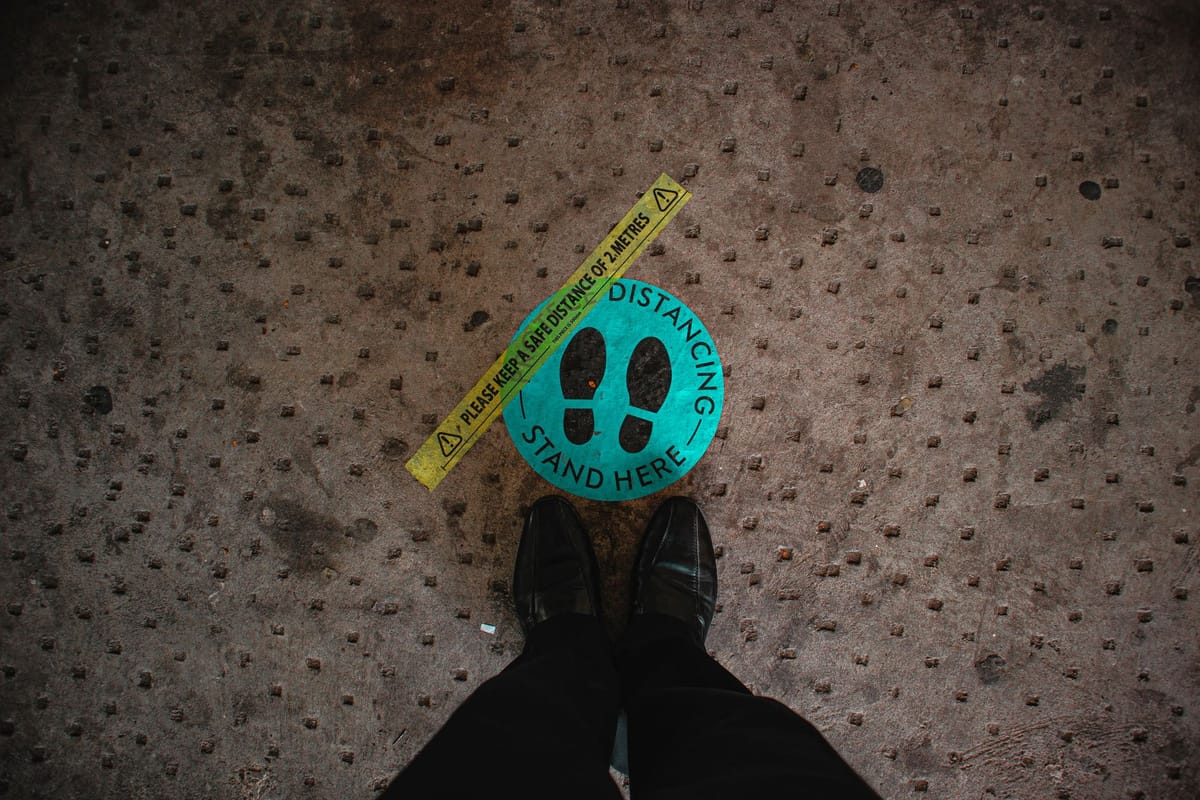
| Anti-slip | Textured | Floor graphics | Essential for floors; not for smooth-look jobs |
Gloss makes colours sing and wipes clean, which is why vehicle wraps and outdoor banners love it — just expect glare under retail spotlights. Matte is the default for anything premium or photographed: no glare, a tactile feel, and it hides fingerprints. Anti-slip is a safety requirement, not a style choice — any floor sticker must use it.
When lamination is essential (not optional)
Add a laminate any time the sticker will be:
- Touched or handled — packaging, laptop stickers, point-of-sale.
- Walked on — every floor graphic, always anti-slip.
- Outdoors or in sun — windows, vehicles, signage. In Malaysia's UV, an unlaminated outdoor sticker can fade in weeks.
- Cleaned or sanitised — anything in food service or healthcare.
You can usually skip a laminate only for a short-term indoor sticker that is not touched — a few weeks of promo on a wall, for example. Everywhere else, the small extra cost buys years of life.
How laminate affects durability
Roughly, the same printed vinyl sticker lasts very differently with and without protection:
| Condition | No laminate | With laminate |
|---|---|---|
| Indoor, untouched | 1–3 years | 3–5 years |
| Indoor, handled | months | 2–4 years |
| Outdoor sun (Malaysia) | weeks–months | 3–5 years (cast + UV laminate) |
| Floor, foot traffic | not viable | 3–9 months (anti-slip) |
For genuinely long outdoor life, pair a UV laminate with cast vinyl — the material and the laminate work together.
Matching the laminate to Malaysia's climate
Tropical conditions are harder on stickers than temperate ones, and the laminate is your main defence. Three local realities to design around:
- Intense UV. Direct sun fades unprotected ink fast — sometimes within weeks on a west-facing window or a car parked outside. A UV laminate is the single most important upgrade for anything sun-exposed.
- Heat and humidity. High surface temperatures and moisture work at the edges of a sticker; a good laminate seals the print and slows edge-lift, while clean application (no grease or dust trapped underneath) does the rest.
- Rain and washing. Outdoor signage and vehicle decals get rained on and washed; a laminate keeps the surface wipeable and stops water creeping under the ink.
The practical takeaway: outdoors in Malaysia, always laminate, and for anything meant to last years, pair a UV laminate with cast vinyl. Indoors away from windows you have more freedom — choose the finish for looks.
How laminates are applied
A laminate is added after printing, before cutting. The printed vinyl runs through a laminator that bonds the clear film over the ink under heat and pressure; the sticker is then cut through both layers (die-cut) or just the vinyl (kiss-cut). Because the laminate sits on top, it also slightly rounds and protects the cut edge — one reason laminated stickers resist peeling-from-the-corner better than bare prints. You do not need to specify the process; you just choose the finish, and we laminate accordingly.
A quick rule of thumb
- Premium, photographed, indoor → matte.
- Maximum colour, outdoor, vehicle → gloss.
- Floor → anti-slip, no exceptions.
- Short indoor promo, not touched → laminate optional.
Frequently asked questions
Do I really need a laminate indoors? If the sticker is touched, cleaned or in sun through a window — yes. For an untouched short-term wall promo, you can skip it.
Which finish hides fingerprints? Matte. Gloss looks brilliant but shows marks under bright light.
Will a laminate stop all fading? It slows UV fading a lot but nothing is permanent; outdoors, combine a UV laminate with cast vinyl for the best life.
Is anti-slip only for floors? In practice, yes — it is textured for grip. Use gloss or matte everywhere else.
Specifying a sticker order? Read vinyl sticker materials and die-cut vs kiss-cut, then browse the sticker range.