A branded van or car is the cheapest advertising a business can own: it is seen by thousands of people a week, it costs nothing per impression, and it works while it does its normal job. But vehicles are the harshest place to put a sticker — sun, rain, heat, wash brushes and curved panels all conspire against the wrong material. This guide explains how to choose vehicle decals that actually last on Malaysian roads. It is part of our custom stickers & decals guide.
The levels of vehicle branding
You do not have to wrap the whole car. Vehicle graphics scale from cheap and simple to full coverage:
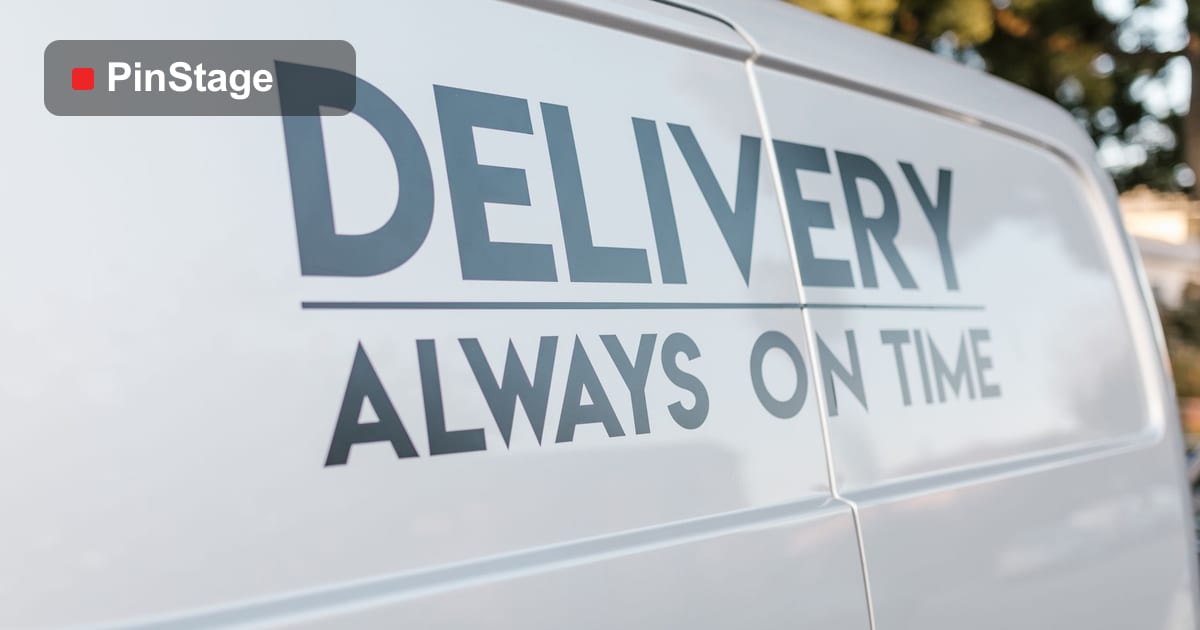
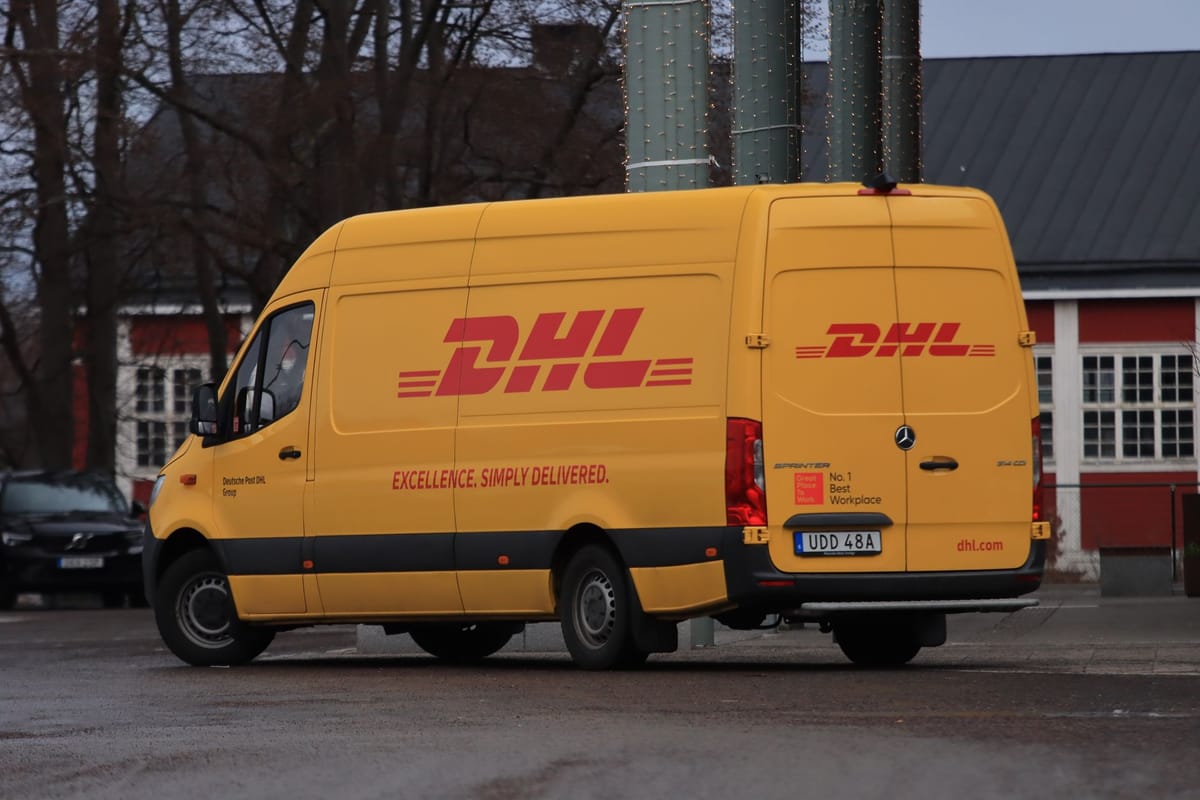
- Lettering & logo decals — your name, phone and a logo on the doors and tailgate. The highest-value, lowest-cost option; most small businesses start (and stay) here.
- Spot graphics — a few cut shapes or panels that add colour and a slogan without covering the vehicle.
- Partial wrap — printed panels over part of the body (doors, rear quarter) for a designed look at a fraction of a full wrap.
- Full wrap — printed vinyl over the entire vehicle; maximum impact, highest cost, needs cast vinyl and skilled fitting.
- Rear-window graphics — printed one-way vision on the back window so you advertise without blocking the driver's view.
For most service businesses, sharp door lettering plus a rear-window graphic delivers most of the benefit for a small spend.
Material: why standard vinyl fails on cars
This is where vehicle jobs are won or lost. Cars need cast vinyl with a UV laminate — not the calendered vinyl that is fine for flat indoor stickers.
- Cast vinyl is thin and flexible, so it conforms to curves, body lines and slight recesses without lifting.
- A UV laminate protects the print from sun fade and the abrasion of car washes.
Put standard calendered vinyl on a car and it will shrink, lift at the edges and fade within a season. For simple flat-panel door lettering, a quality vinyl sticker with a laminate can work; for curves and longevity, insist on cast. More on this in vinyl sticker materials.
Designing for a moving vehicle
People see your vehicle for a few seconds, often at speed. Design accordingly:
- Big, legible name and one offer. Phone number and a single service line beat a paragraph nobody can read.
- High contrast so it reads against any background and in glare.
- Keep key info out of the panel gaps — door handles, seams and recesses; lay out around them.
- Repeat the essentials on both sides and the rear so the message lands from any angle.
- Supply vector artwork with proper cut lines for lettering and shapes — see print-ready file setup.
Where graphics go
- Doors — name, logo, phone; the prime real estate.
- Tailgate / rear — the panel most people read in traffic.
- Rear window — one-way vision graphic; advertises without blocking the view.
- Bonnet / roof — high visibility for large logos on bigger vehicles.
Application and care in Malaysia's climate
Vehicle decals are applied to a clean, cool panel — never in direct midday sun, which makes the adhesive grab before it is aligned. Wash the panel, degrease it, and let it dry. After fitting, leave the adhesive to cure for 24–48 hours before the first wash.
For care: hand-washing is kinder than stiff automatic brushes, which abrade edges over time. Park in shade where you can — Malaysia's UV is the main enemy of colour, and the laminate buys years, not decades. Expect a good cast-vinyl, laminated decal to look sharp for 3–5 years.
Magnetic signs vs permanent decals
A common question: should you use magnetic signs instead of stick-on decals? Each has a place.
- Magnetic signs attach to steel body panels and lift off in seconds — ideal if you use a personal car for business sometimes, or want to remove branding for resale. The trade-offs: they only stick to flat steel (not aluminium, plastic bumpers or curved panels), they can fly off at speed if not seated well, and trapped dirt or moisture underneath can mark the paint.
- Permanent decals (cast vinyl) conform to curves, stay put at any speed, look more professional, and last for years. They are the right choice for a dedicated work vehicle or fleet.
If the vehicle is your business's, choose decals. If you need branding on and off, magnetics are the flexible option — just clean under them regularly.
Fleet branding and common mistakes
Branding several vehicles multiplies both the value and the chance of error. A few rules:
- Design once, apply consistently. A template that maps the same layout to each vehicle type keeps the fleet looking unified.
- Keep the essentials readable at a glance — name, phone, one service line. Resist cramming.
- Avoid the panel gaps. The most common mistake is laying critical text across a door seam or handle, where it breaks up.
- Use the right material. Calendered vinyl on curves is the second most common mistake — it lifts within a season. Insist on cast vinyl with a UV laminate.
- Plan replacement. Even good decals fade eventually in tropical sun; budget a refresh every few years to keep the fleet looking sharp.
Get those right and a branded fleet is one of the best-value advertising a local business can run.
What vehicle decals cost
Cost scales with coverage: door lettering is inexpensive; a partial wrap is a mid project; a full wrap is a significant, designed job. Material (cast vs calendered) and lamination also move the price. The cheapest high-return option is almost always door lettering plus a rear-window graphic. Send your vehicle type and the panels you want covered to request a quote.
Frequently asked questions
Will decals damage my paint? Quality cast vinyl removes cleanly and can actually protect the paint underneath. Cheap vinyl left for years in the sun is harder to remove — use the right material.
How long do they last? Cast vinyl with a UV laminate typically stays sharp for 3–5 years on Malaysian roads; unprotected calendered vinyl fades in a season.
Can I advertise on the rear window without blocking my view? Yes — that is exactly what one-way vision film is for.
Lettering or full wrap? Start with door lettering and a rear graphic; it delivers most of the value for a fraction of a full wrap's cost.
Ready to brand your vehicle? Compare the sticker range or read one-way vision explained for the rear window.