Stickers are the cheapest branded surface you can buy — a few ringgit turns a plain window, laptop, package or wall into advertising that works around the clock. But "sticker" covers a dozen very different products, and using the wrong one means peeling edges, ghosting adhesive, or a window graphic nobody can read. This guide is the map: what each type is for, the materials and finishes that matter, and how to hand over files that print clean.
TL;DR — pick by where it goes
- Indoor branding, laptops, packaging: white or clear self-adhesive vinyl, gloss or matte. See vinyl sticker materials.
- Shop windows you want to see through: one-way vision (printed outside, see-through inside) or frosted film for privacy.
- Floors: anti-slip laminated floor stickers rated for foot traffic.
- Walls: removable wall vinyl or a full wall mural.
- Vehicles & outdoors: cast vinyl with a UV laminate for sun and rain.
- Shapes: die-cut vs kiss-cut decides how the sticker peels and looks.
Browse the full sticker & decal range to see what each option costs.
The three things that define every sticker
Forget the marketing names for a moment. Every sticker decision comes down to three layers.
1. The face material
This is the printable surface. For most business stickers it is self-adhesive vinyl — durable, waterproof and flexible. Vinyl comes in white (opaque, colours sit on a solid base) and clear (the print floats on glass or glossy packaging). Paper stock exists for cheap indoor labels, but it tears and stains; for anything customer-facing, choose vinyl. Our vinyl sticker is the everyday workhorse.
2. The adhesive
- Permanent — strongest bond, for long-term signage and outdoor use.
- Removable — lifts cleanly for months without residue; ideal for seasonal promos and rented premises. See the removable sticker.
- Repositionable / static-cling — no glue at all, clings to glass, perfect for short campaigns.
Choosing removable for a promo that ends in six weeks saves you a painful scraping job later.
3. The finish (laminate)
A laminate is a clear protective layer over the print. It is not optional for anything touched, walked on, or left in the sun.
- Gloss — vivid colour, easy to wipe; can glare under spotlights.
- Matte — soft, premium, no glare; the default for interiors and packaging.
- Anti-slip — textured, required for floor graphics. Read more in lamination & durability.

Match the sticker to the job
Window graphics
Windows are the highest-traffic, cheapest advertising a shop owns. Three common choices:
- Solid vinyl for logos, opening hours and promotions where you do not need to see through.
- One-way vision — a perforated film printed on the outside; passers-by see your graphic, staff inside still see out. Perfect for full-window campaigns.
- Frosted film — etched-glass look for privacy on meeting rooms and lower window panels.
Floor stickers
Floor decals direct queues, mark distances and drop promotions where feet already point. They must be laminated and anti-slip, and they go down best on smooth, clean floors. Budget for replacement in high-traffic spots — even good floor vinyl wears in a few months.
Wall stickers and murals
A wall sticker turns a blank wall into a feature: quotes, wayfinding, a feature logo behind a reception desk, or a full photographic mural. Use removable wall vinyl on painted walls so you can rebrand without repainting.
Vehicle and outdoor decals
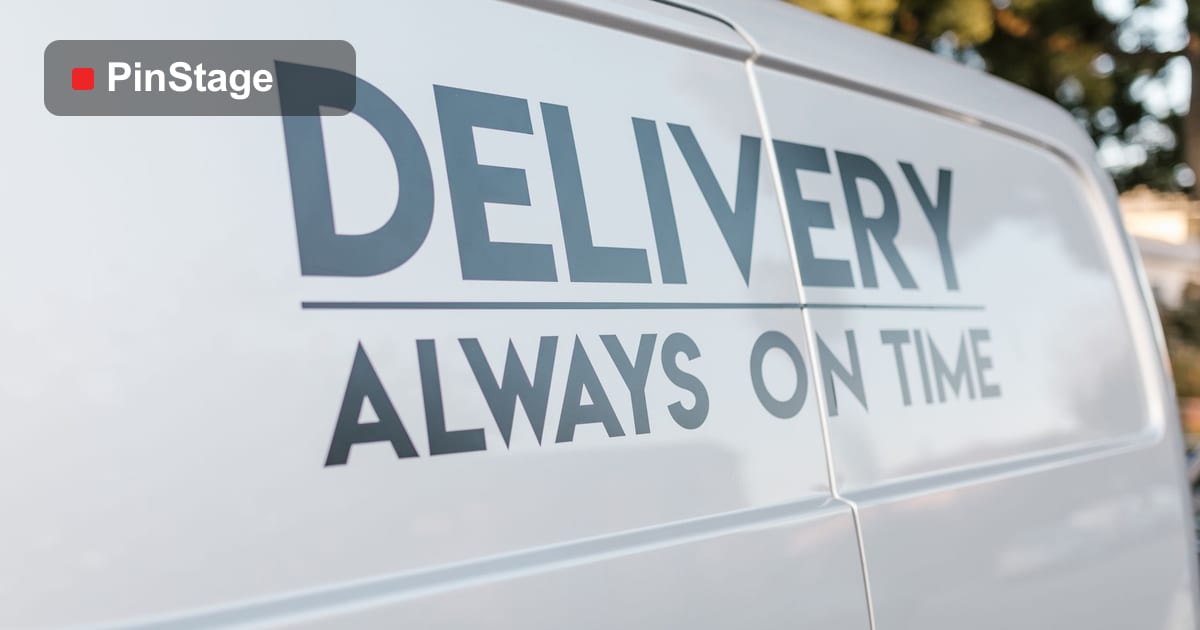
Cars, vans and outdoor signage need cast vinyl (conforms to curves) plus a UV laminate. Standard indoor vinyl will fade and lift within a season outdoors.
Die-cut, kiss-cut or sheet?
The cut decides how the sticker looks and peels:
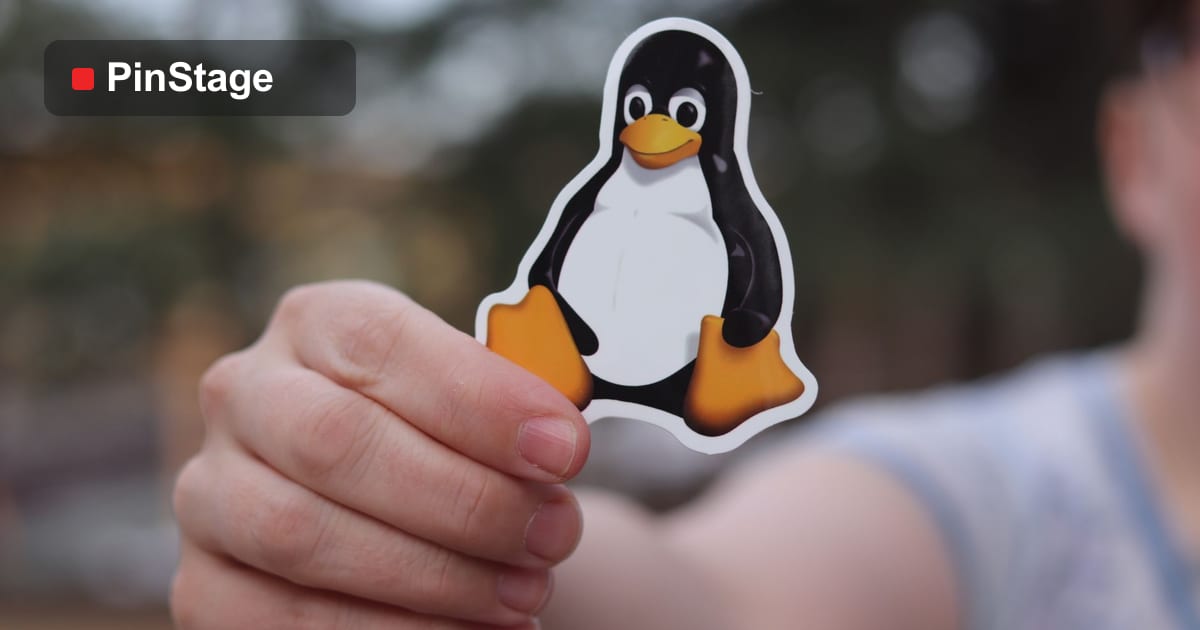
- Die-cut — cut through the backing to the exact shape; one clean sticker, premium feel.
- Kiss-cut — cut only the vinyl, leaving a square backing; easier to peel, good for giveaways.
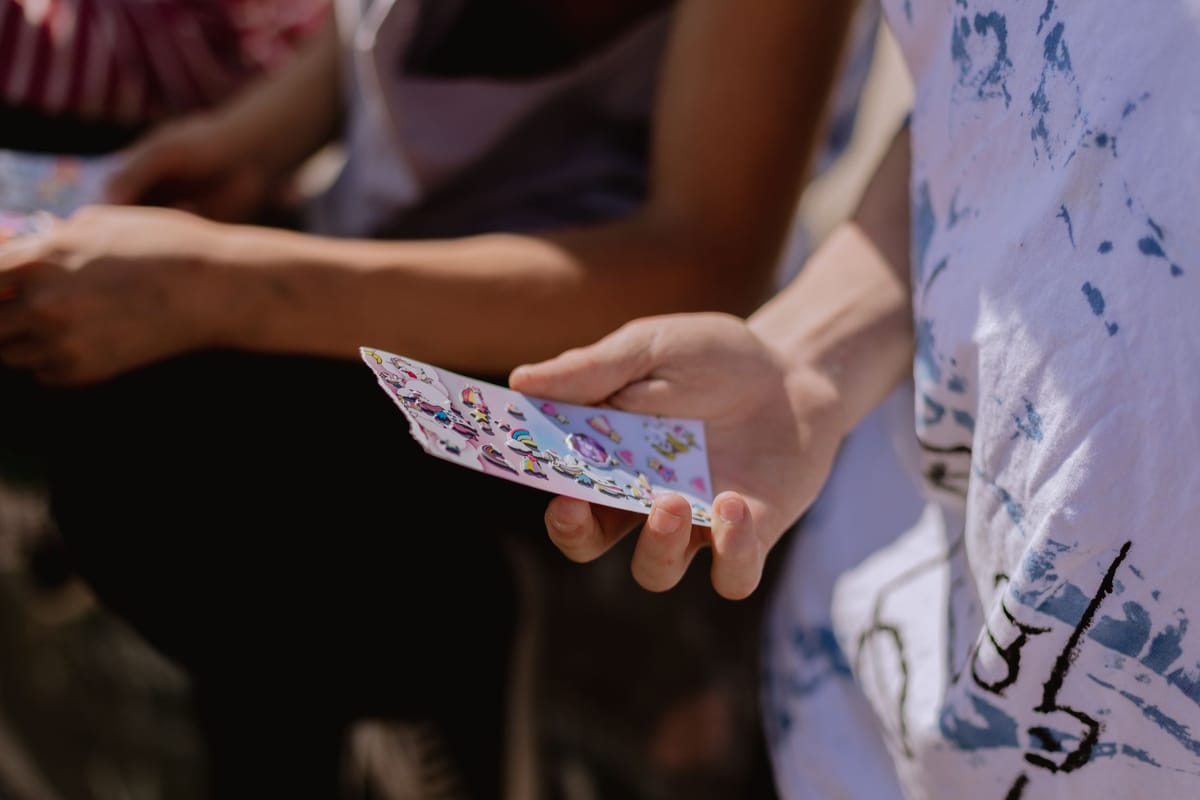
- Sheets — many small stickers on one backing; cheapest per piece.
Our full breakdown is in die-cut vs kiss-cut, and the sticker types guide maps every format to its best use.
Getting print-ready files right
A great sticker dies on bad artwork. Three rules cover most jobs:
- Vector shapes for cut lines. Supply a separate CutContour path so the cutter knows the outline — especially for die-cut shapes.
- Bleed and safe area. Extend the background 2–3 mm past the cut; keep text 3–4 mm inside it.
- Resolution. 150 DPI at final size is plenty for stickers viewed up close; photos for large window graphics still need 100–150 DPI at full size.
Our print-ready file setup guide has the full checklist.
What do custom stickers cost?
Sticker pricing is driven by four things, not one: size, quantity, material/finish, and cut. Understanding them helps you brief us — and budget — accurately.
- Size — priced per square foot for large window and wall graphics, or per piece for small die-cut stickers. A full shop window costs more than a laptop sticker for obvious reasons.
- Quantity — the single biggest lever. Most of a sticker's cost is setup (artwork checks, cutting the contour, loading material). Spread that across 500 pieces and the per-sticker price drops sharply versus 50. If you will need them again, order ahead.
- Material & finish — clear vinyl, white-ink underprint, cast vinyl and anti-slip floor laminates cost more than standard white calendered vinyl. Pay for the upgrade only where the job needs it.
- Cut — sheets are cheapest, kiss-cut singles mid, die-cut singles the most.
The fastest way to a real number is to request a quote with your size, quantity and where the sticker will live, or configure a vinyl sticker online to see live pricing. Order temporary campaigns on removable stock so you are not paying twice — once to print, once to scrape.
Applying stickers without bubbles
A perfect print ruined by a wrinkled application is a common, avoidable waste. Two methods cover almost every job:
- Dry application (small and medium stickers): clean the surface with isopropyl alcohol, let it dry, peel a corner, position with a hinge, then squeegee from the centre outward to push air to the edges.
- Wet application (large window graphics): mist the surface with water and a drop of dish soap, lay the graphic, slide it into exact position, then squeegee the water and air out from the middle. The fluid buys you time to align and lifts bubbles.
Work in shade, not direct Malaysian midday sun — heat makes adhesive grab before you have aligned. For big windows, two pairs of hands beat one every time.
How long will it last?
A realistic lifespan depends on material, laminate and exposure:
| Use | Material | Typical life |
|---|---|---|
| Indoor wall / laptop | White vinyl, matte laminate | 3–5 years |
| Shop window (indoor side) | Vinyl / one-way vision | 1–3 years |
| Floor (high traffic) | Anti-slip laminated | 3–9 months |
| Outdoor / vehicle | Cast vinyl + UV laminate | 3–5 years |
Tropical heat and UV are hard on unprotected vinyl — outdoors, the laminate is what buys you years instead of months.
A quick buyer's checklist
- Indoors or outdoors? (decides laminate and adhesive)
- See-through or solid? (one-way vision / frosted vs white vinyl)
- Permanent or temporary? (permanent vs removable adhesive)
- Shape — square or custom? (sheet/kiss-cut vs die-cut)
- Touched, walked on or sun-exposed? (always laminate)
- How many, and will you reorder? (quantity sets the per-piece price)
Answer those and you have specified the right sticker.
Frequently asked questions
Will removable stickers leave residue? Quality removable vinyl lifts cleanly for the life it is rated for (often 1–3 years indoors). Cheap paper labels and old permanent adhesive are what leave glue behind.
Can I see out through a printed window sticker? Only with one-way vision (perforated) or by leaving glass clear. Solid vinyl blocks the view both ways.
How long do outdoor stickers last? With cast vinyl and a UV laminate, typically 3–5 years outdoors in Malaysian sun; without a laminate, expect fading within months.
Do I need a die line? For custom shapes, yes — supply a vector CutContour. For simple squares and circles we can generate it for you.
Still unsure which to order? Browse the sticker range or request a quote with your size and quantity and we will recommend the material.