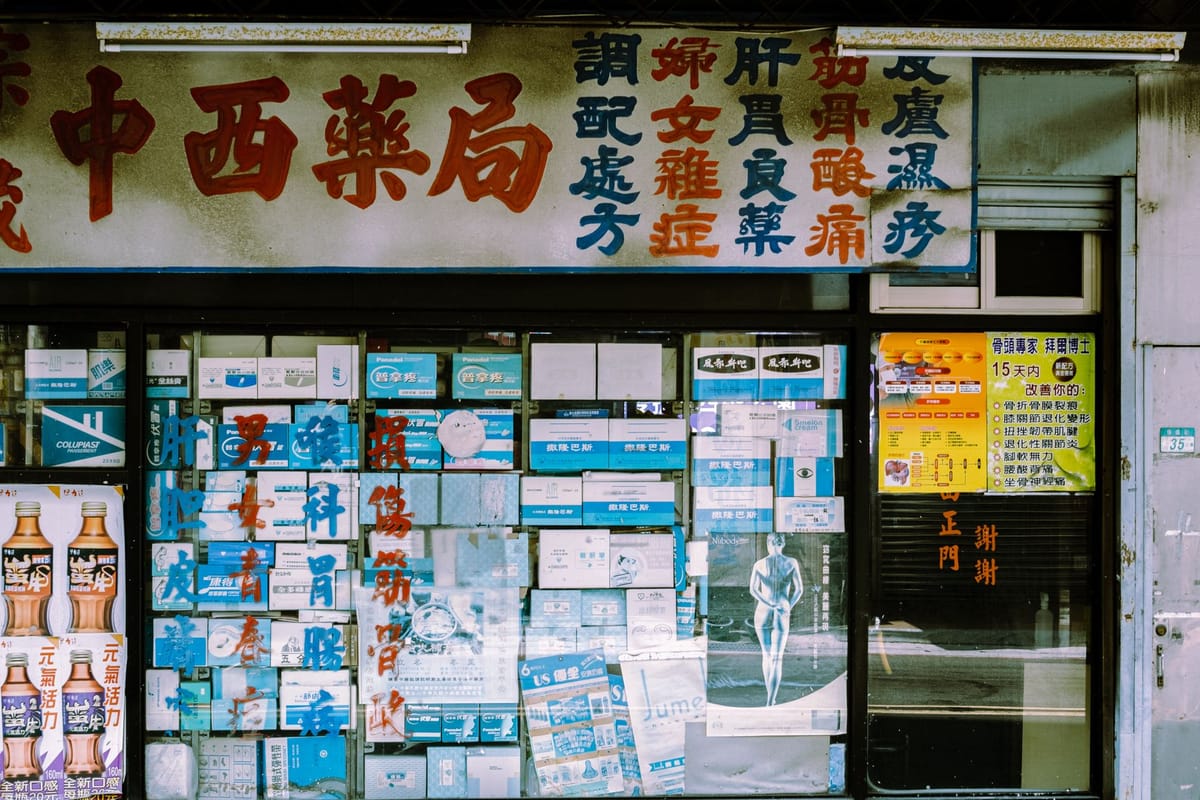
Walk past a bank, a phone shop or a café and you have almost certainly looked straight through a giant advertisement without realising the people inside could see you the whole time. That is one-way vision — a perforated window film that prints a full graphic on the outside while staying see-through from the inside. It is one of the highest-impact, lowest-cost upgrades a shopfront can make, and this guide explains exactly how it works and when to use it. It is part of our custom stickers & decals guide.
How one-way vision actually works
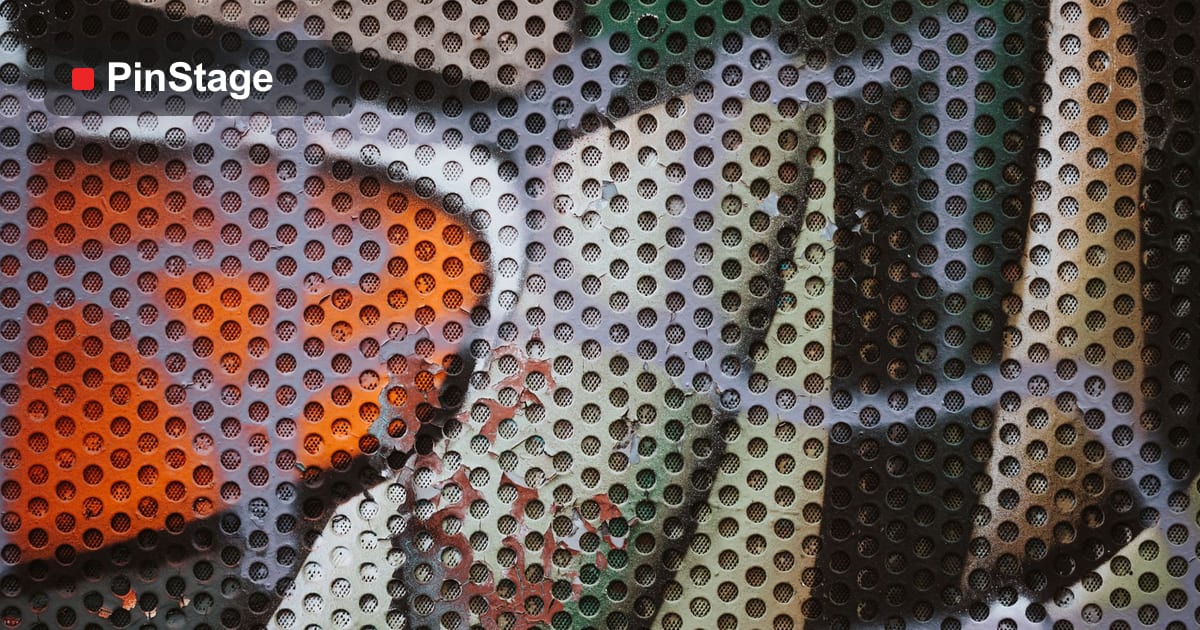
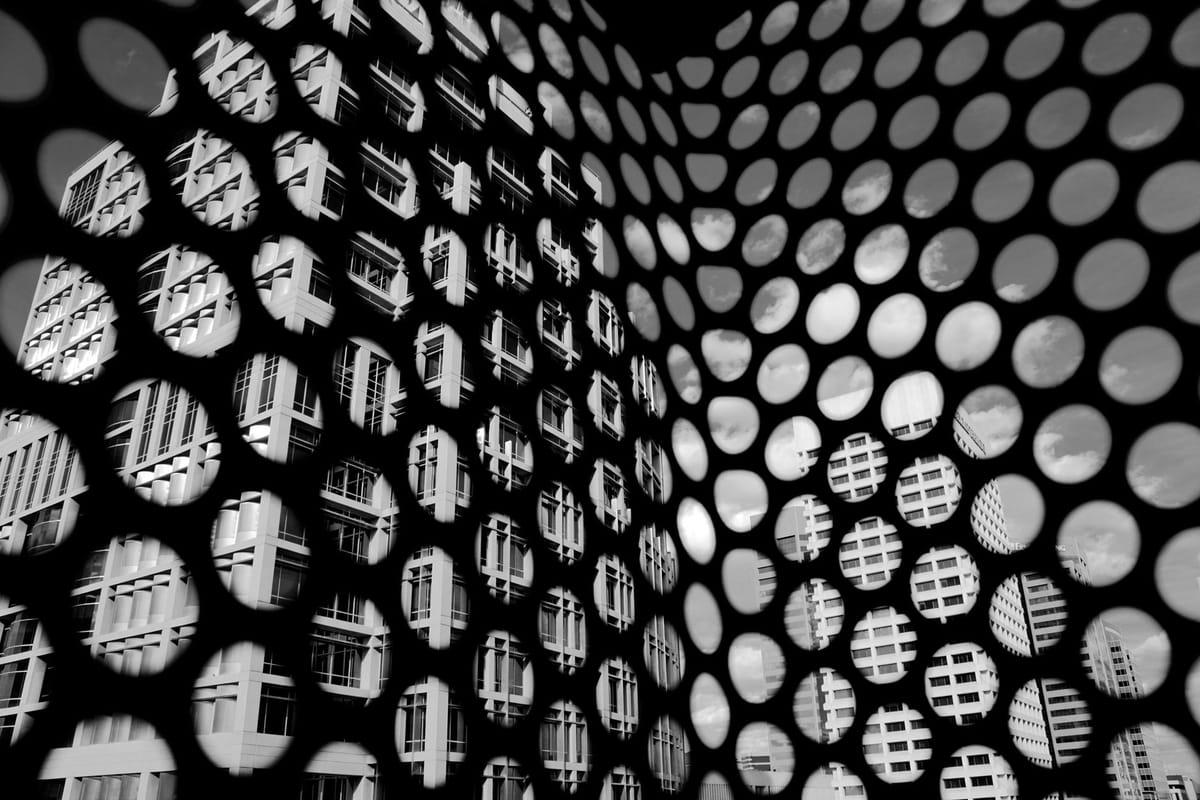
The film is covered in a regular grid of tiny holes — typically around 40% to 50% open area. Your artwork is printed on the outward-facing side; the back is black.
- From outside, your eye blends the printed dots into a solid image and the small holes disappear — you see a full-colour graphic.
- From inside, you look through the holes toward the bright outdoors, and the dark printed side fades away — so the window stays usable and natural light still comes in.
It is a clever optical trick that depends on one thing: the outside being brighter than the inside. That is normal in daytime, which is exactly when shopfront advertising matters most.
Where one-way vision beats the alternatives
You have three main ways to brand a window. Each solves a different problem:
| Need | Best choice |
|---|---|
| Full-window advert, still see out | One-way vision |
| Bold logo / promo, don't need to see out | Solid vinyl sticker |
| Privacy / frosted-glass look | Frosted film |
One-way vision wins whenever you want to cover a large area of glass but your staff or customers still need natural light and a view of the street. Think retail storefronts, showrooms, restaurant frontages and vehicle rear windows. For small graphics — opening hours, a logo on the door — solid vinyl is cheaper and sharper. Browse the one-way vision option to compare.
The trade-offs to know
No product is free of compromise, and one-way vision has three worth planning for:
- The view out is slightly dimmed and dotted. Looking through ~50% holes is like looking through a fine screen — fine for a shop, not ideal where a crystal-clear view matters.
- It only works one way in daytime. At night, when the inside is brighter than the street, the effect reverses — outsiders can see in. For evening trade, plan lighting or add interior blinds.
- Image detail is limited by the holes. Fine text and thin lines lose sharpness because part of every dot is a hole. Design bold.
Designing artwork for one-way vision
Because half the surface is holes, design rules differ from a normal sticker:
- Go big and bold. Large logos, short headlines and strong colour blocks read well; 6-point legal text does not.
- High contrast wins. The dotted surface mutes subtle gradients — pick colours that pop against the street behind them.
- Mind the resolution. 100–150 DPI at full window size is enough; the perforation limits fine detail anyway.
- Leave a solid border if you can. A small solid-vinyl edge helps the film seal to the frame and looks tidier.
- Full bleed. Extend the artwork to the exact glass size you are covering.
Our print-ready file setup guide covers bleed, colour and resolution in full.
Installation and care
One-way vision is a wet-applied film. Clean the glass thoroughly, mist with water and a drop of soap, position the graphic, then squeegee the water and air out from the centre. Trim to the frame. Two people make a large window far easier. Clean it with a soft, damp cloth — never a scourer, which clogs and tears the perforations. Applied well, expect a good few years of service indoors-facing, less in harsh direct sun without a laminate.
What does one-way vision cost — and how is it sized?
One-way vision is priced by area — per square foot of glass you cover — so the two big levers are the size of the window and the quantity of windows. A single shop window is an affordable upgrade; a row of showroom glass is a bigger project, but the per-square-foot rate improves as the order grows because setup is shared.
A few sizing tips that keep cost down and the result clean:
- Measure the glass, not the frame. Order to the visible glass size plus a few millimetres so the film tucks neatly to the rubber seal.
- Split very large windows into panels. One enormous piece is hard to fit bubble-free; two or three matched panels with a tidy seam install far more easily and look just as continuous from the street.
- Account for door handles and locks — leave clean cut-outs rather than fighting the film around hardware.
- Standardise repeat campaigns. If you reskin the window every season, design to the same panel sizes so reprints drop straight in.
The fastest way to a real figure is to send your glass dimensions and request a quote, or compare the one-way vision option online. Because campaigns change, treat window film as a periodic cost, not a one-off — and budget for a refresh when the promotion does.
Is one-way vision right for you?
Choose it if you want to turn a big window into an advert without blacking it out. Choose solid vinyl for small, sharp graphics, and frosted film for privacy. Many shops use all three: one-way vision on the main window, solid vinyl for the door logo and hours, frosted on a lower panel.
Frequently asked questions
Can people see in at night? Yes — when the inside is brighter than outside, the effect reverses. Use blinds or interior film if evening privacy matters.
Does it block natural light? It reduces it (you keep roughly the open-area percentage), but the window stays usable and bright in daytime.
Can I see out clearly? You see out through a fine dot pattern — perfectly fine for a shop, slightly screened compared to clear glass.
How long does it last? Several years on an indoor-facing window; add a laminate and use quality film for sun-exposed glass to slow fading.
Ready to cover that window? Compare the sticker range or request a quote with your glass dimensions and we will size the film.